Drooling in dogs is often associated with breeds like Saint Bernards or Bloodhounds, but what about Siberian Huskies? If you're a Husky owner, you may have noticed your dog drooling occasionally—sometimes more than expected. While Huskies are not classified as a heavy drooling breed, they can and do drool under certain circumstances. Understanding why your Husky is drooling can help you determine whether it's a normal behavior or a sign of an underlying health issue.
Is Drooling Normal for Huskies?
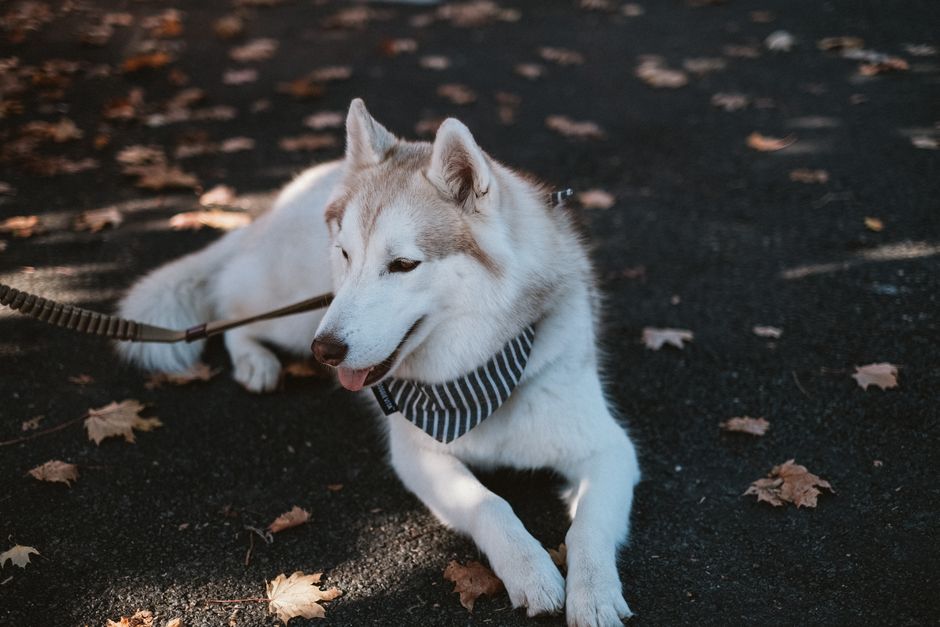
First, it's important to know that Siberian Huskies have relatively dry mouths compared to breeds with loose jowls. Their lips are tight, which helps minimize drool. However, no dog is completely immune to drooling. Occasional drool is normal, especially when triggered by excitement, food, or heat. Excessive or sudden drooling, however, may indicate a problem.
To gauge what's normal for your Husky, pay attention to their baseline. If your dog drools only during specific situations and returns to normal quickly, it's likely nothing to worry about. But if you notice persistent, thick, or stringy drool accompanied by other symptoms, it's time to investigate further.
Common Reasons Why Huskies Drool
Excitement and Anticipation
One of the most common triggers for drooling in any dog is excitement. When your Husky sees you reaching for a leash, preparing their food, or greeting them after a long day, they may start to drool. This is a natural response as saliva production increases in anticipation of something pleasurable. Think of it as your Husky's way of saying, "I'm ready!"
This type of drooling is usually short-lived and stops once the anticipated event begins or after a few minutes of calm. It's perfectly normal and nothing to worry about.
Heat and Panting
Huskies are built for cold climates, but they can still overheat in warm weather. When they pant to cool down, excess saliva can escape and become frothy or drip from their mouths. This is especially common after exercise or on hot days. Panting itself is not drooling, but the combination of open mouth and increased saliva production can result in noticeable drool.
Always ensure your Husky has access to fresh water and a cool place to rest during warm weather. If heavy panting and drooling persist even after cooling down, monitor for signs of heatstroke.
Nausea or Motion Sickness
Just like humans, dogs can get nauseous. If your Husky becomes carsick or experiences motion sickness during car rides, they may drool excessively. This is often accompanied by lip licking, whining, or vomiting. Some dogs also drool when they feel unwell due to stomach upset or after eating something they shouldn't have.
If motion sickness is the cause, try short, slow drives, keep the car cool, and avoid feeding right before travel. For persistent nausea, consult your vet for medication options.
Dental Issues
Oral health problems are a common cause of drooling in Huskies. Tartar buildup, gingivitis, tooth decay, or a broken tooth can cause pain and inflammation, leading to increased saliva production. The drool may be tinged with blood or have a bad odor. Huskies with dental pain may also avoid eating hard food or chew toys.
Regular dental check-ups and at-home brushing can prevent many issues. If you notice sudden drooling accompanied by foul breath or difficulty chewing, schedule a vet visit.
Foreign Objects or Mouth Injuries
Huskies are curious and may chew on sticks, bones, or toys that can splinter or get lodged in their mouth. A foreign object stuck between teeth, in the roof of the mouth, or in the throat can cause choking, pawing at the mouth, and excessive drooling. Similarly, cuts or burns inside the mouth from chewing on sharp objects or hot surfaces can trigger drooling.
Check your Husky's mouth if they start drooling suddenly with no apparent trigger. If you see a foreign object, try to remove it carefully or seek veterinary help if it's deep or you're unsure.
Breed Predisposition
While Siberian Huskies are not known as heavy droolers, individual variations exist. Some Huskies may have slightly looser lips or produce more saliva than others. This is not a health concern—just a normal variation. If your Husky has always drooled a little and is otherwise healthy, it's likely just their personal quirk.
Medical Conditions That Cause Excessive Drooling
Oral Problems
Beyond simple dental issues, more serious oral problems like abscesses, tumors, or infections can cause profuse drooling. A tooth root abscess, for example, is painful and often leads to drooling, swelling under the eye, and reluctance to eat. Regular oral exams are crucial for early detection.
Gastrointestinal Issues
Conditions like gastritis, pancreatitis, or an intestinal blockage can cause nausea and vomiting, leading to drooling. If your Husky is drooling and also vomiting, has diarrhea, or shows signs of abdominal pain (hunched posture, whining), seek veterinary care immediately.
Heatstroke
Huskies are at risk for heatstroke in hot, humid conditions. Early signs include heavy panting, drooling, bright red gums, and lethargy. As heatstroke progresses, drooling may become thick and sticky. This is a life-threatening emergency—cool your dog down with wet towels and fan, and get to a vet right away.
Poisoning or Toxin Ingestion
Many common household items can be toxic to dogs, including certain plants, human foods (like xylitol, chocolate, grapes), and chemicals. Drooling is often one of the first signs of poisoning, along with vomiting, diarrhea, seizures, or disorientation. If you suspect your Husky has ingested something toxic, contact a pet poison helpline or emergency vet immediately.
Neurological Disorders
In rare cases, neurological problems such as seizures, nerve damage, or conditions like myasthenia gravis can cause drooling. These often present with other symptoms like muscle weakness, tremors, or difficulty swallowing. A vet will need to run tests to diagnose these conditions.
When to See a Veterinarian
While occasional drooling is usually harmless, you should consult a vet if you notice any of the following:
- Sudden, excessive drooling that persists for hours
- Drool that is thick, stringy, or tinged with blood
- Bad breath, swollen gums, or visible dental problems
- Lethargy, vomiting, diarrhea, or loss of appetite
- Signs of pain (pawing at mouth, reluctance to eat)
- Choking, difficulty breathing, or collapse
- Possible ingestion of a foreign object or toxin
Your vet can perform a thorough exam, including blood work, dental X-rays, or imaging, to pinpoint the cause.
How to Manage Your Husky's Drool
If your Husky drools occasionally due to excitement or heat, here are some practical tips:
- Keep a towel handy: During car rides or after exercise, a towel can wipe away drool and keep your dog comfortable.
- Provide fresh water: Dehydration can worsen drooling, so always offer clean water.
- Use a cooling mat or fan: Help your Husky stay cool to reduce panting-related drool.
- Practice good dental hygiene: Brush your Husky's teeth regularly and provide dental chews to prevent oral issues.
- Desensitize to triggers: If excitement is the cause, try calming exercises before feeding or walks.
- Consider a drool bib: For excessive droolers, a bib can keep their chest dry.
Frequently Asked Questions
Do Huskies drool more than other dogs?
No, Huskies are typically low droolers due to their tight lips. Other breeds like Mastiffs or Newfoundlands drool significantly more.
Can anxiety cause drooling in Huskies?
Yes, stress and anxiety can lead to excessive drooling. Separation anxiety, loud noises (thunder, fireworks), or unfamiliar environments may trigger it.
Is it normal for a Husky to drool when sleeping?
Some dogs drool when deeply relaxed. If it's occasional and your dog is healthy, it's normal. But if it's excessive, check for dental issues.
What does drool with a smell indicate?
Foul-smelling drool often points to dental disease, infection, or an oral tumor. Have your vet take a look.
Conclusion
Drooling in Siberian Huskies is not typical but can occur for various reasons, from simple excitement to serious medical conditions. By observing the context, frequency, and accompanying symptoms, you can determine whether a vet visit is necessary. Most of the time, a drooling Husky is just hot, happy, or a little nauseous—but always err on the side of caution with your furry friend's health.