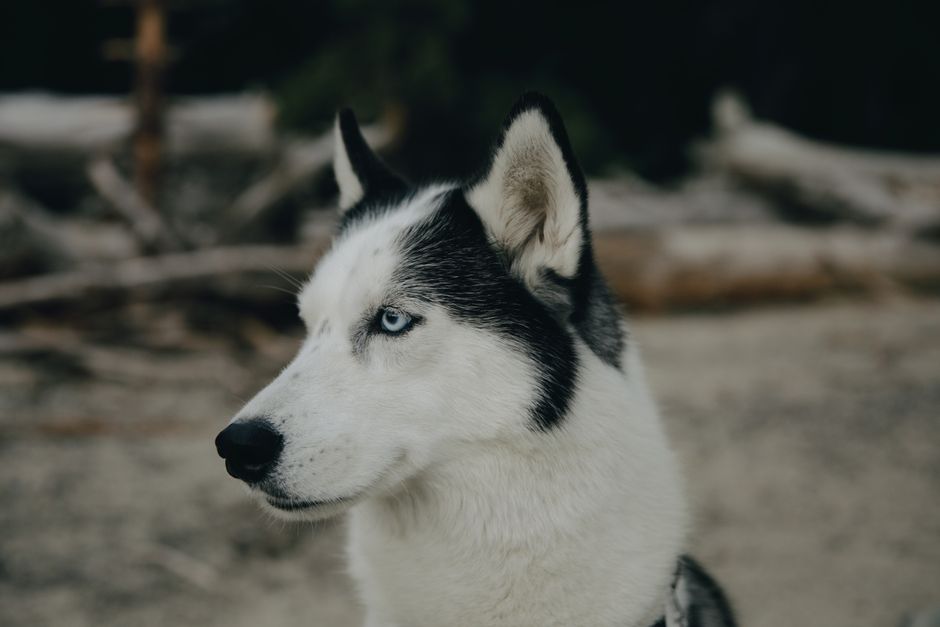
Understanding Husky Aggression: Nature vs. Nurture
Siberian Huskies are not typically an aggressive breed by nature. Bred as sled dogs, they are known for their friendly, outgoing, and gentle temperament. However, like any dog, huskies can develop aggression due to a combination of genetics, environment, and training. It's important for understand that aggression is a behavior, not a breed trait. When a husky displays aggression, it is usually a response to a trigger or underlying issue. This guide will help you identify the causes, recognize warning signs, and implement effective strategies to manage and prevent aggression in your husky.
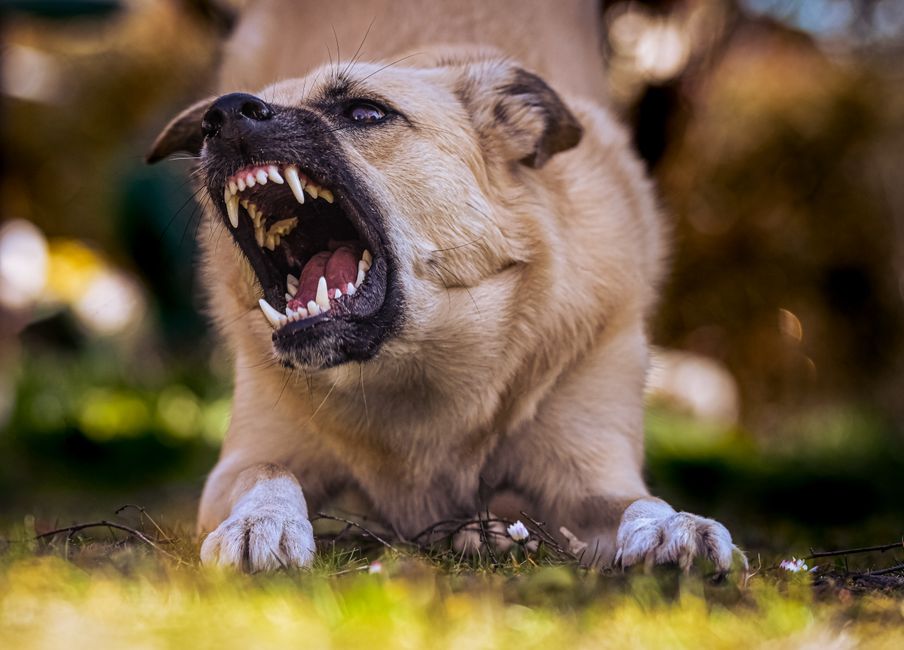
Common Causes of Aggression in Siberian Huskies
Fear and Anxiety
Fear is a primary driver of aggression. A husky that feels threatened or trapped may react aggressively to protect itself. Common fear triggers include loud noises, unfamiliar people or animals, sudden movements, or traumatic experiences. Anxiety, such as separation anxiety, can also lead to frustration and aggressive outbursts.
Resource Guarding
Huskies may guard high-value resources like food, toys, beds, or even their owners. This instinct is rooted in survival. A husky that growls or snaps when you approach its food bowl is demonstrating resource guarding. It's important to address this early to prevent escalation.
Territorial Aggression
Huskies can be territorial, especially if not properly socialized. They may bark, lunge, or bite at strangers or other animals entering what they perceive as their territory—your home, yard, or even your walking route.
Pain or Discomfort
An injured or ill husky may become aggressive when touched or approached. This is a protective response. Always rule out medical issues with a veterinarian if your husky suddenly shows aggression, especially if it's uncharacteristic.
Lack of Socialization
Huskies that were not exposed to several people, animals, and environments during the critical socialization period (3-14 weeks of age) may be fearful or reactive later in life. Poor socialization is a leading cause of aggression in all breeds.
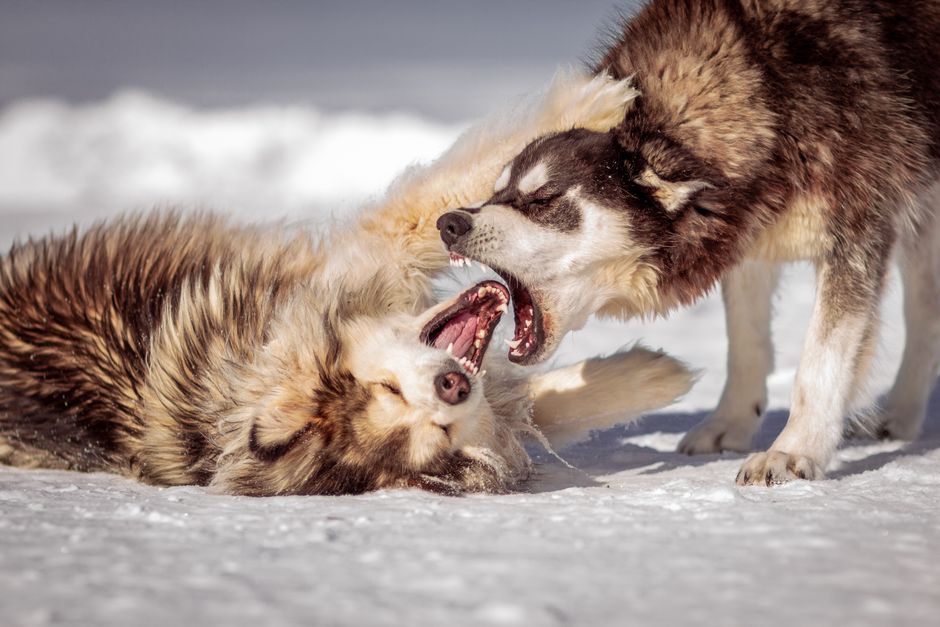
Recognizing Signs of Aggression
Aggression rarely happens without warning. Learn to read your husky's body language to intervene early. Common signs include:
- Stiff body posture and hard stare
- Growling, snarling, or snapping
- Raised hackles (hair on the back)
- Ears pinned back or forward
- Showing teeth or lip curling
- Tail held high and stiff or tucked
- Sudden stillness or freezing
If you notice any of these signs, remove the trigger or your dog from the situation calmly and safely.
How to Prevent and Manage Husky Aggression
Early Socialization and Training
Start socializing your husky puppy as early as possible. Expose them to different people, dogs, environments, and sounds in a positive, controlled manner. Obedience training builds trust and establishes you as the leader. Use a reliable recall command to redirect attention.
Positive Reinforcement Techniques
Never punish aggression; it can worsen the behavior. Instead, reward calm, non-aggressive behavior. For example, if your husky remains calm when a stranger approaches, give treats and praise. Use counter-conditioning: pair the trigger (e.g., another dog) with something pleasant (treats) to change your dog's emotional response.
Exercise and Mental Stimulation
A tired husky is a well-behaved husky. Huskies are high-energy dogs that need at least 60-90 minutes of vigorous exercise daily. Lack of exercise can lead to pent-up frustration and aggression. Also provide puzzle toys, training games, and interactive play to stimulate their intelligent minds.
Professional Help
If your husky's aggression is severe, consult a certified dog behaviorist or a trainer experienced with huskies. They can assess the situation and create a personalized behavior modification plan. In some cases, medication may be recommended by a veterinarian for underlying anxiety.
When Aggression Becomes a Serious Problem
If your husky has bitten someone or another animal, or if aggression is escalating, take immediate action. Muzzle training can keep everyone safe during rehabilitation. Work with a professional to address the root cause. Remember, aggression can often be managed but may not be completely 'cured.' Management strategies like avoidance, supervision, and environmental control are crucial.
Frequently Asked Questions
Are male huskies more aggressive than females? Not necessarily. Aggression is more influenced by individual temperament, training, and socialization than gender. Neutering can reduce hormone-driven behaviors but is not a cure-all.
Can an aggressive husky be rehomed? Yes, but only to an experienced owner who understands the dog's needs. Be honest about the aggression history to ensure a good match.
Is it normal for a husky to growl during play? Play growls are often accompanied by loose body language and a 'play bow.' If the body is stiff or ears are pinned, it may be genuine aggression.
, husky aggression is a manageable issue with proper understanding, training, and patience. Early intervention is key. Always prioritize safety and seek professional guidance when needed. With consistent effort, you and your husky can enjoy a harmonious relationship.