If you share your home with a Siberian Husky, you’ve likely experienced the spine-tingling moment when a siren wails in the distance, and your dog throws back their head to join the chorus. This common behavior often puzzles owners, but the answer lies deep in the Husky's ancestral wiring. Let’s explore the fascinating reasons behind this vocal response and what you can do about it.
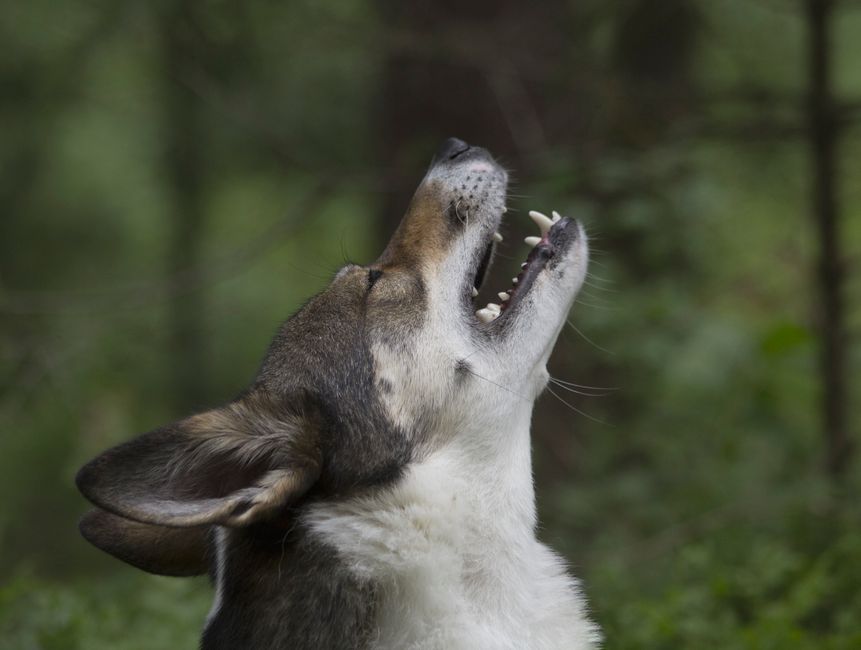
The Instinctual Roots of Howling
Howling is an ancient form of communication inherited from wolves. For Siberian Huskies, bred for sled pulling in harsh Arctic conditions, howling served practical purposes:
- Pack coordination: Howling helps pack members locate each other over long distances, especially during blizzards or rugged terrain.
- Territorial signaling: A howl warns neighboring packs to stay away, defining boundaries without physical confrontation.
- Group bonding: Howling together strengthens social bonds, much like a team chant. Even in modern homes, your Husky sees you and your family as their pack.
When your Husky howls at a siren, they’re tapping into this ancient instinct, perceiving the sound as a distant “howl” from another dog or pack.
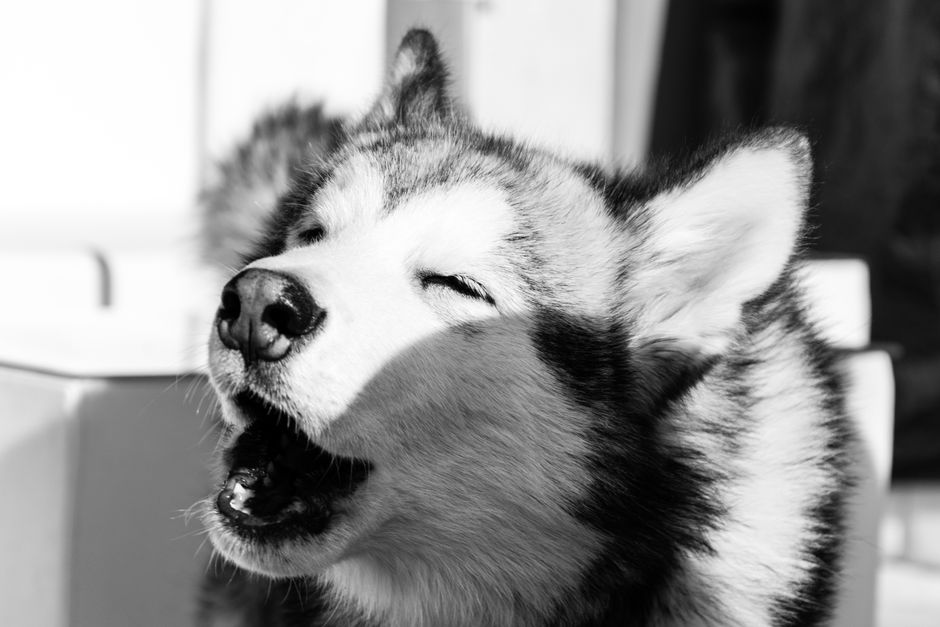
The Husky's Vocal Nature
Unlike most dogs that bark frequently, Huskies are known for their wide range of vocalizations—from woo-woos and grumbles to full-throated howls. They were selectively bred to be talkative, as mushers relied on their dog’s vocal cues during long runs. This vocal temperament makes them more likely to howl than, say, a Labrador Retriever. Howling is a form of self-expression for Huskies, not just a reaction to stimuli.
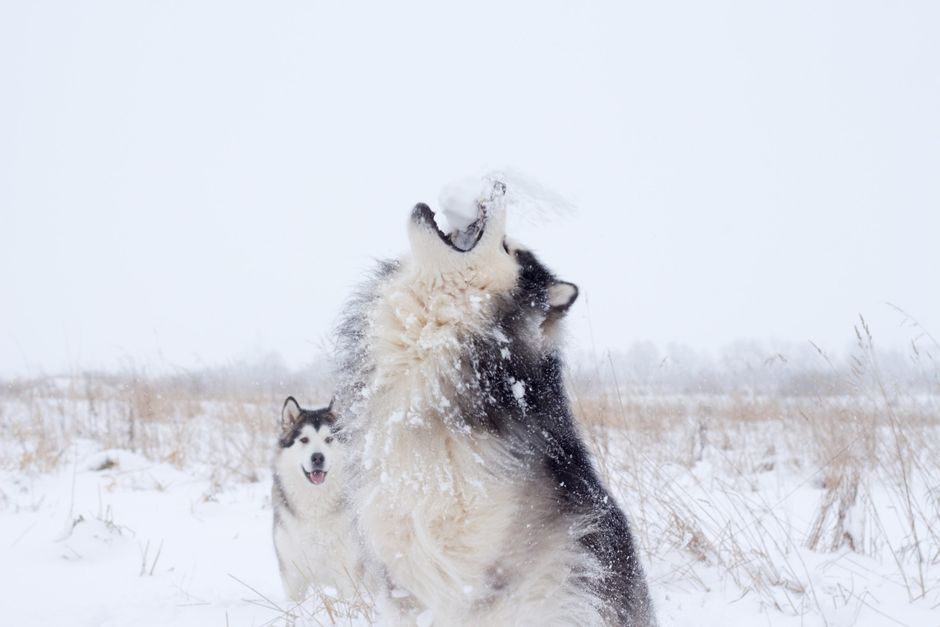
Why Sirens Trigger Howling?
Sirens—whether from ambulances, fire trucks, or police cars—share key acoustic properties with wolf howls:
- High-pitched, sustained tones: The oscillating pitch of a siren mimics the wavering frequencies of a howl, making it sound like a distant canine call.
- Long duration: Sirens continue for many seconds, giving your Husky time to respond. A short car horn often doesn’t trigger the same reaction.
- Ambiguity: Because the sound is not immediately identifiable, your Husky interprets it as a potential message from another dog, prompting a automatic reply.
Interestingly, some Huskies only howl at sirens they hear outdoors, while others react even to TV sounds. This confirms it’s not about volume alone—context and sound quality matter.
Is It a Problem?
For many owners, the howling is a charming quirk. However, it can become a concern in apartment buildings or late-night hours. Consider these factors:
- Neighbor complaints: A howling Husky at 3 AM can strain relationships.
- Your own peace: If every passing siren triggers a 5-minute howl session, it’s disruptive.
- Underlying anxiety: In some cases, excessive howling indicates separation anxiety or fear of loud noises.
Most of the time, it’s harmless instinct, but managing the behavior is possible.
How to Manage or Stop the Howling
You don’t need to eliminate howling entirely—just reduce it to appropriate times. Here are effective methods:
Positive Reinforcement Training
Teach a “quiet” command. When your Husky howls at a siren, say “quiet” in a calm voice. The moment they stop (even for a second), reward with a high-value treat. Repeat consistently, gradually extending the silence required for a treat.
Desensitization
Record siren sounds at low volume and play them during quiet times. Pair the sound with treats, toys, or praise. Over days, increase the volume. This helps your dog associate sirens with positive experiences, reducing the urge to howl out of alertness.
Distraction
When a siren approaches, immediately engage your Husky in an incompatible behavior: ask for a “sit” or “paw”, toss a treat puzzle, or start a play session. This redirects their focus from the sound.
Environmental Management
Close windows and curtains to muffle the sound. Turn on a white noise machine, TV, or fan to mask sirens. If your Husky howls primarily when left alone, ensure they have interactive toys and consider a pet camera with two-way audio to reassure them.
When to Be Concerned
Occasional sirens howling is normal. But watch for these red flags:
- Excessive duration: If howling lasts more than a few minutes after the siren passes.
- Accompanied by destructive behavior: Scratching doors, chewing, or pacing shows anxiety.
- Incessant howling at other sounds: Doorbells, phones, or even voices may trigger the same response.
- Physical symptoms: Panting, drooling, or trembling during sirens may indicate noise phobia.
If you notice these, consult a veterinarian or certified animal behaviorist. They can rule out medical issues and create a tailored behavior modification plan.
Why Your Husky’s Howl Is a Beautiful Ritual
Remember, howling is a signature of the Husky breed—it connects them to their wolf ancestors and expresses their lively spirit. While managing it is fine, completely suppressing it can frustrate your dog. Embrace the howl as part of their charm, and use positive training to keep it under control.
In the end, each time your Husky howls at a siren, they’re answering an ancient call. It’s not just noise—it’s a conversation across time.