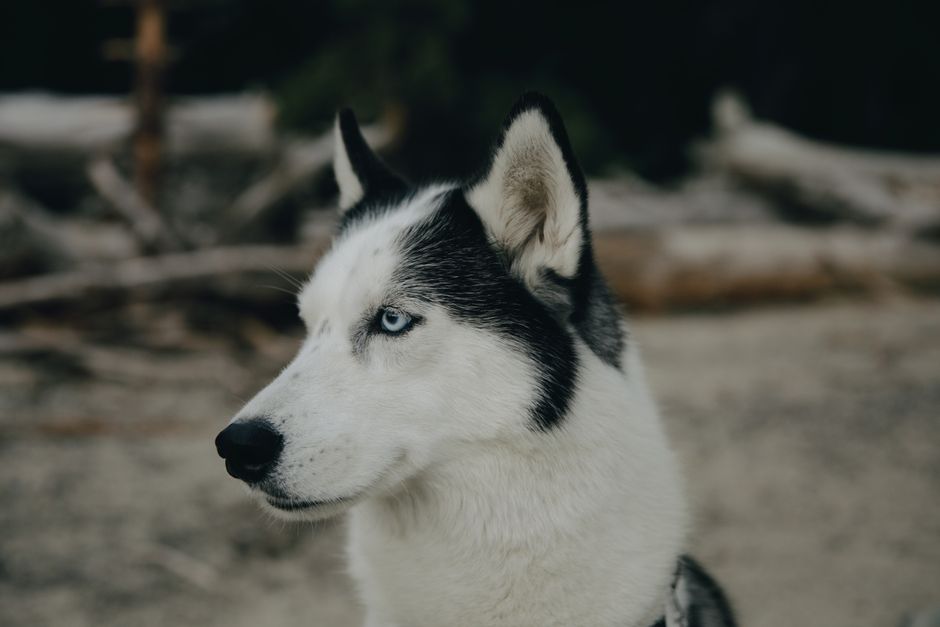
What Are Zoomies and Why Do Huskies Get Them?
If you own a Siberian Husky, you’ve likely witnessed the sudden, frantic burst of running, spinning, and bouncing that owners affectionately call “zoomies.” Technically known as Frenetic Random Activity Periods (FRAPs), these episodes are common in many dogs, but Huskies seem to have a special talent for them. Zoomies are a natural outlet for pent-up energy, excitement, or stress. In this comprehensive guide, we’ll explore the specific reasons Huskies get zoomies, how to handle them safely, and when to consult a vet.
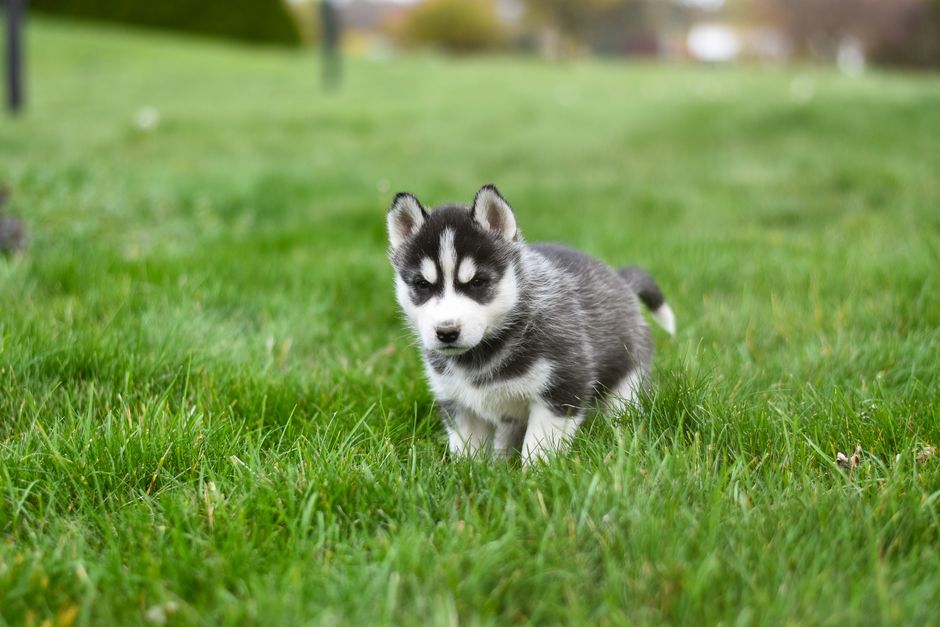
Why Huskies Are Prone to Zoomies
Siberian Huskies are a high-energy breed originally bred to pull sleds across vast Arctic distances. This heritage means they have incredible stamina, a strong prey drive, and a need for regular exercise. When that stored energy isn’t fully released through daily walks, runs, or play, it often erupts as zoomies. Here are the primary reasons:
- Excess Energy: Huskies require at least 60–90 minutes of vigorous exercise daily. If they’re cooped up too long, they may explode into zoomies to release pent-up energy.
- Excitement or Overstimulation: Coming home from work, seeing a favorite toy, or anticipating a walk can trigger an excitement overload, leading to zoomies.
- Bath Time or Grooming: Many Huskies get the “post-bath crazies.” The relief of being done or the feeling of wet fur can set off a sprint around the house.
- After Confinement: Being crated or in a small space for a few hours often results in a burst of activity once released.
- Stress or Anxiety Relief: Zoomies can be a way for Huskies to release nervous energy after a stressful event, like a vet visit or thunderstorm.
- Pure Joy: Sometimes zoomies are just a dog’s way of expressing happiness – for no apparent reason.
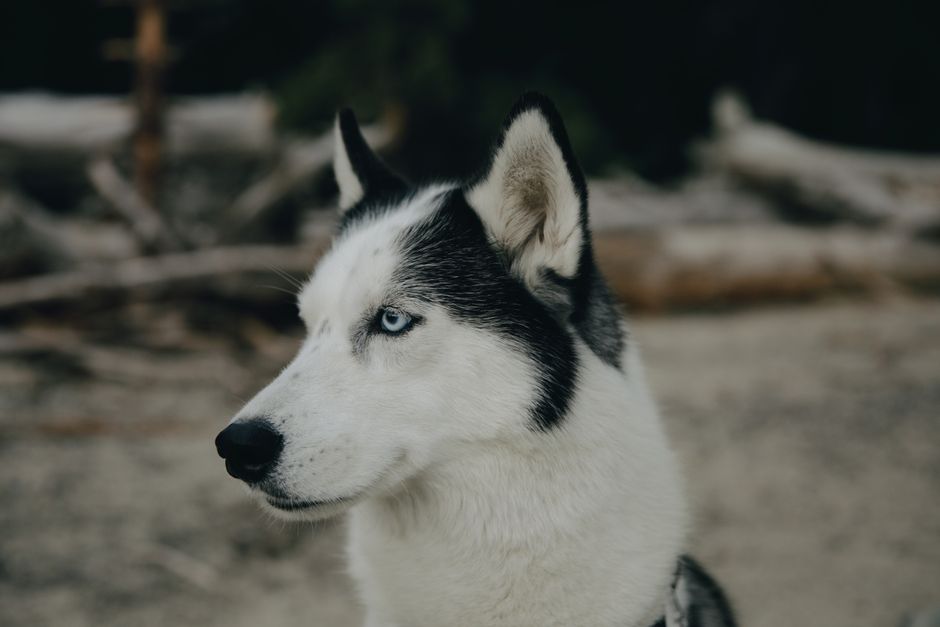
Is It Normal for Huskies to Get Zoomies?
Yes, zoomies are completely normal for Huskies, especially puppies and young adults (up to 2–3 years old). As they mature, the frequency usually decreases but many adult Huskies still enjoy occasional sprints. As long as your dog isn’t harming themselves or others, zoomies are a healthy behavioral release. However, if zoomies are accompanied by destructive behavior, aggression, or occur multiple times a day with no clear trigger, it may indicate insufficient exercise, boredom, or underlying anxiety.
Common Triggers and How to Manage Them
1. After Bath or Water Play
Many Huskies go wild after a bath. To manage this, towel dry thoroughly and try to redirect the energy with a puzzle toy or a short training session before the zoomies start. If they do zoom, ensure the area is safe (no breakable objects) and let them run it out in a yard or long hallway.
2. After Being Confined
If your Husky gets zoomies after crate time, it likely means they need a potty break and exercise. Release them calmly and take them straight outside for a walk or fetch session. Avoid letting them zoom inside if possible – guide them to a safe outdoor area.
3. Evening Energy Burst
Many owners report zoomies in the early evening. This is a good time to schedule a high-intensity activity like a run, flirt pole, or agility game. A tired Husky is less likely to zoom at night.
Safety Tips During Zoomies
- Clear the room of sharp furniture, wires, and small objects that could be knocked over or chewed.
- Use toys or treats to redirect zoomies into a more controlled activity (e.g., fetch a toy while they run).
- Never punish zoomies – they are instinctive and not misbehavior. Calmly capture the moment with a workable command like “sit” after they tire.
- If zoomies happen near stairs or slippery floors, block off access to prevent injury.
- Provide a designated safe zooming zone, like a grassy fenced yard or a wide hallway with non-slip rugs.
When to Be Concerned
Zoomies are generally harmless, but consult your vet if:
- Your Husky seems to zoom uncontrollably for more than 15–20 minutes without stopping.
- They injure themselves or exhibit signs of pain during or after zooming.
- Zoomies are paired with obsessive behavior, excessive barking, or aggression.
- They occur suddenly in an older dog that hadn’t shown such behavior before – could indicate cognitive decline or pain.
How to Prevent Unwanted Zoomies
The best way to minimize zoomies is to meet your Husky’s exercise and mental stimulation needs. Daily schedule should include:
| Activity | Duration | Example |
|---|---|---|
| Brisk walking | 30–45 minutes | Morning walk before work |
| High-intensity exercise | 20–30 minutes | Fetch, running, bike-joring |
| Mental stimulation | 15–20 minutes | Training tricks, puzzle toys |
| Free play | 30+ minutes | Off-leash running in safe area |
Additionally, implement a consistent routine. Predictable walks and play sessions reduce the buildup of pent-up energy. If you know a trigger (like bath), give your Husky a vigorous workout right before to exhaust them – the post-bath zoomies might be milder.
Final Thoughts
Zoomies are a charming, albeit chaotic, part of life with a Siberian Husky. They reflect your dog’s high energy and joyful spirit. By understanding why they happen and managing them appropriately, you can keep your Husky safe and happy. Remember: a tired Husky is a good Husky. Provide ample exercise, mental challenges, and a safe environment, and those occasional zoomies will become just another fun quirk of your furry friend.