If you own a Siberian Husky, you're likely familiar with their unique vocalizations. While they are known for their howling and 'talking,' barking at guests is a behavior that can puzzle and sometimes frustrate owners. Why do huskies bark at guests, and what can you do about it? In this comprehensive guide, we'll explore the reasons behind this behavior, from instinct to training, and provide practical tips to help your Husky become a gracious host.
Understanding Why Huskies Bark
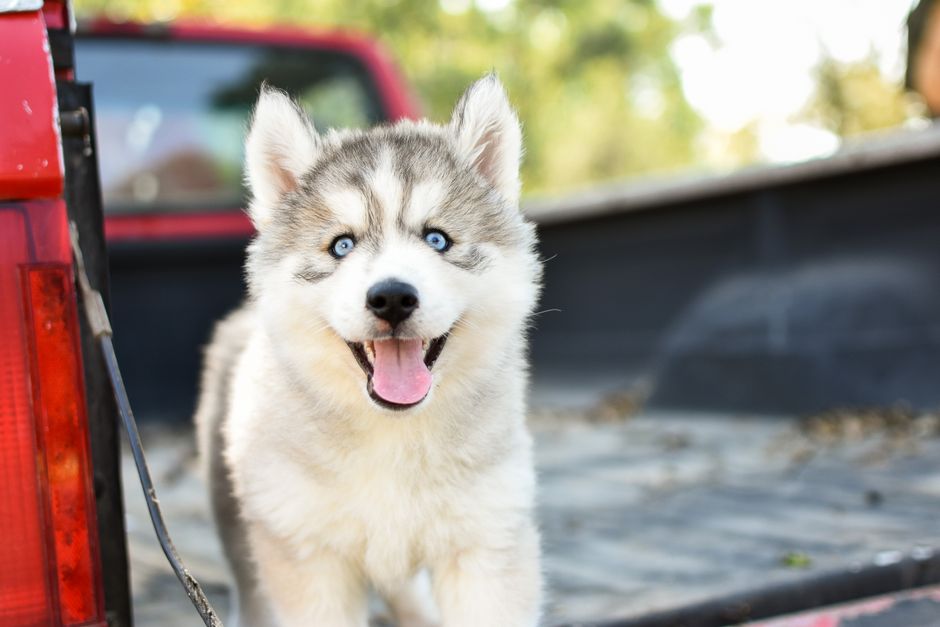
Huskies are a breed developed in harsh Arctic environments as sled dogs. Their vocal nature was important for communication with their human handlers and other dogs. Barking is just one form of that communication. To address barking at guests, it's important to understand the underlying motivations:
- Excitement and Greeting: Huskies are social pack animals. When someone arrives, they may bark out of sheer joy and anticipation of interaction.
- Alerting: Your Husky may see guests as potential intruders and bark to alert you. This is a remnant of their guarding instincts, even though they are generally not guard dogs.
- Anxiety: Some huskies are sensitive to changes in routine or unfamiliar people. Barking can be a sign of stress or fear.
- Boredom or Attention-Seeking: If your Husky has learned that barking gets a reaction (either positive or negative), they may continue the behavior.
Understanding which of these triggers your Husky is key to selecting the right training approach.
Common Triggers for Barking at Guests
Several specific situations can set off your Husky's barking when guests arrive:
The Doorbell or Knock
Many dogs associate the sound of a doorbell with the arrival of someone new. This can create a conditioned response where your Husky barks the moment they hear that sound. Over time, the anticipation alone can trigger barking.
Stranger Danger
Even though Huskies are generally friendly, they can be wary of strangers entering their territory. This is especially true if they haven't been adequately socialized to new people in different contexts.
Protective Nature
Huskies are not typically protective in the way a guarding breed is, but they can become possessive of their home and family. A guest entering may be seen as a threat, prompting a warning bark.
Lack of Socialization
Puppies that aren't exposed to several people, sounds, and settings during their critical socialization period (up to 16 weeks) may become fearful and reactive as adults.
The Difference Between Husky 'Talking' and Barking
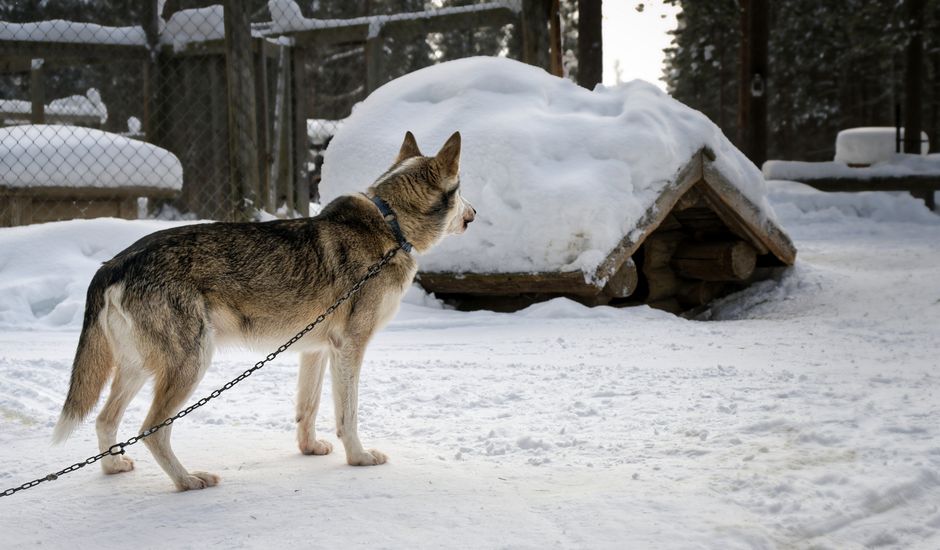
Huskies are famous for their 'talkative' nature, which includes howls, whines, yips, and soft barks. This is normal communication. Barking at guests, however, is usually louder, more insistent, and can be accompanied by raised hackles or a tense body. Learn to distinguish your Husky's happy greeting sounds from anxious or aggressive barking. Happy barks are often paired with a wagging tail and a relaxed body, while anxious barking may include cowering or tucked tail.
How to Prevent Excessive Barking at Guests
Prevention is easier than correction. Here are proactive steps to reduce barking before it becomes a habit:
- Manage the Environment: When expecting guests, put your Husky in a separate room with a long-lasting chew or puzzle toy. This prevents rehearsing the barking behavior.
- Desensitization: Record doorbell sounds or have a friend knock while you practice calm behavior. Reward your Husky for staying quiet.
- Create a Calm Arrival: Teach your Husky to go to a designated spot (like a mat) when the doorbell rings. Have guests ignore the dog until they are calm.
- Increase Exercise and Mental Stimulation: A tired Husky is less likely to bark from excess energy. Ensure they get daily walks, runs, and interactive games.
Step-by-Step Training Protocol
Follow this step-by-step plan to teach your Husky to be calm when guests arrive:
Step 1: Teach 'Quiet' Command
Start in a low-distraction environment. When your Husky barks (e.g., at a knock on a table), say 'Quiet' in a calm, firm voice. As soon as they stop (even for a second), reward with a high-value treat. Gradually increase the duration before rewarding.
Step 2: Practice with a Helper
Ask a friend to help. Begin with your Husky on leash. Have the friend approach from a distance where your Husky notices but doesn't bark. Reward calm behavior. Slowly decrease the distance over multiple sessions.
Step 3: Add the Doorbell Cue
Once your Husky can remain calm with a person approaching, introduce a doorbell sound. Pair it with the arrival of the helper. Use the 'Quiet' command and reward non-reactivity.
Step 4: Real-World Practice
Gradually transition to real guests. Start with brief, calm visits. Keep your Husky on leash or behind a baby gate. Instruct guests to ignore the dog until they are calm. Reward calm behavior consistently.
When to Seek Professional Help
If your Husky's barking escalates to growling, snapping, or biting, or if it stems from severe anxiety, consult a professional dog trainer or behaviorist. Signs that professional help is needed include:
- Barking persists despite consistent training for several weeks.
- Your Husky shows signs of fear aggression (cowering, tail tucked, ears flattened).
- The barking is accompanied by destructive behavior or self-harm.
- You feel unsafe or overwhelmed.
A professional can create a tailored behavior modification plan using desensitization and counterconditioning techniques.
Conclusion
Barking at guests is a common behavior in Siberian Huskies, but it doesn't have to be a permanent problem. By understanding the root cause—whether excitement, alertness, anxiety, or boredom—and applying consistent training techniques, you can teach your Husky to welcome visitors politely. Remember, Huskies are intelligent and independent, so patience and positive reinforcement are key. With time and effort, your Husky can become a calm and friendly host, making your home a welcoming place for both you and your guests.