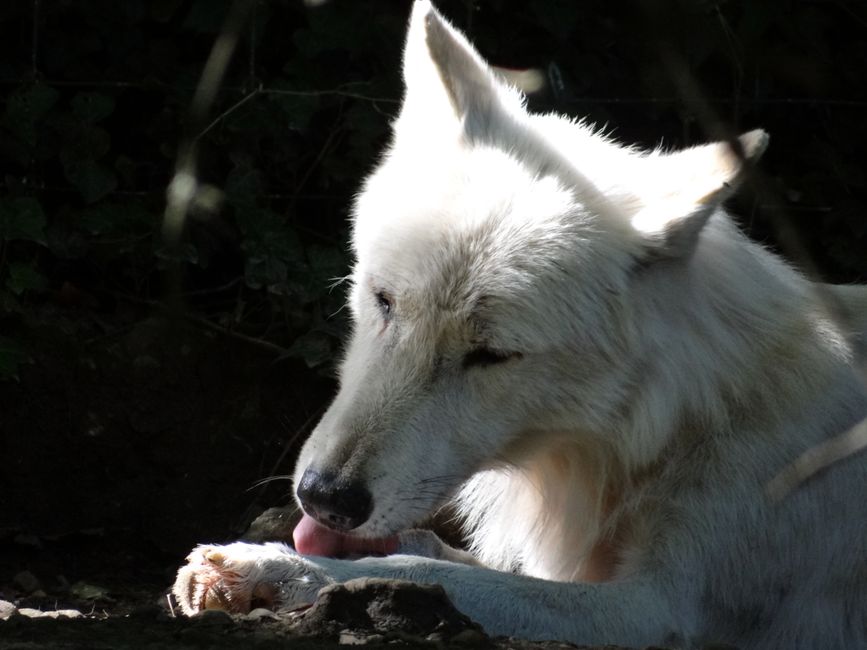
Understanding Why Huskies Lick Their Paws
Huskies are known for their playful and sometimes quirky behaviors. One common habit that puzzles many owners is paw licking. While occasional licking is normal grooming, excessive licking can signal underlying issues. This guide explores the reasons behind this behavior and offers practical solutions.
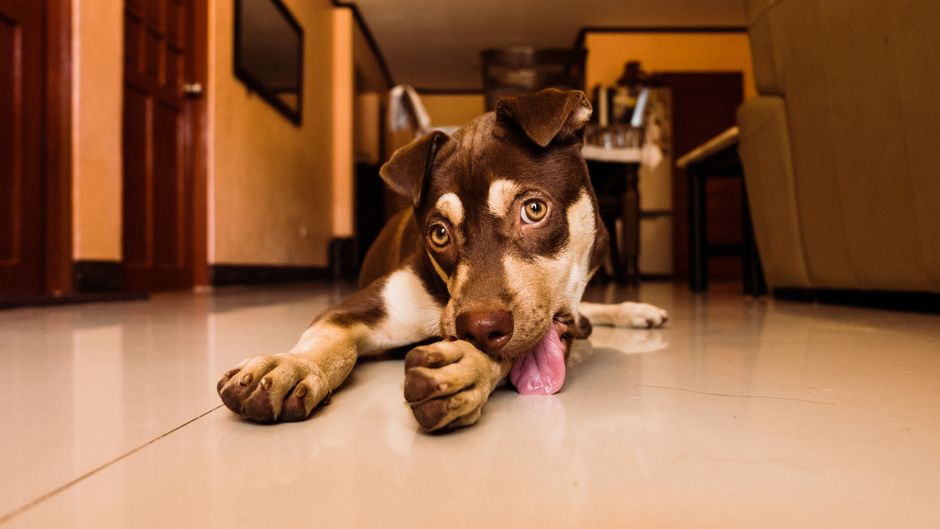
Common Reasons for Paw Licking in Huskies
1. Allergies
Allergies are a top cause. Huskies can be allergic to food, pollen, dust mites, or grass. The paws often contact allergens directly, causing itching. Look for red, inflamed skin or chewing between toes.
- Food allergies: Common triggers include chicken, beef, dairy, or grains. Try an elimination diet.
- Environmental allergies: Wipe paws after walks, use hypoallergenic wipes, or consider allergy testing.
2. Dry or Irritated Skin
Harsh weather, de-icing salts, or hot pavement can dry out paw pads. Licking provides temporary relief but worsens irritation. Use paw balms or booties.
3. Boredom or Anxiety
Huskies are energetic and intelligent. Boredom leads to repetitive behaviors like licking. Separation anxiety can also trigger it. Increase exercise, provide puzzle toys, and create a calm environment.
4. Injuries or Pain
Check for cuts, thorns, or broken nails. Licking can indicate pain. Also, arthritis in older dogs may cause licking joints. If limping accompanies licking, see a vet.
5. Parasites
Fleas, ticks, and mites cause intense itching. Look for tiny black specks (flea dirt) or red bumps. Regular preventatives and checking paws after walks help.
6. Yeast or Bacterial Infections
Moisture trapped between toes can lead to infections. Symptoms include odor, swelling, and discharge. Treatment requires vet-prescribed antifungal or antibacterial medication.
How to Diagnose the Cause
Observe your Husky’s behavior and environment. Ask yourself:
- When does the licking occur? (after walks, during meals, when left alone?)
- Are there other symptoms? (sneezing, ear infections, skin rashes?)
- Has anything changed? (diet, routine, season, new product?)
Keep a diary. If licking persists, consult your vet for allergy tests or skin scrapings.
Immediate Steps to Help
At-Home Care
- Paw soaks: Use warm water with Epsom salt (1 tbsp per cup) for 5-10 minutes to soothe itching.
- Protective gear: Use booties outdoors on hot pavement or salted roads.
- Distraction: Offer interactive toys or frozen Kongs to redirect energy.
- Moisturize: Apply pet-safe paw balm containing shea butter or coconut oil.
Diet Adjustments
Switch to a limited-ingredient diet with novel proteins (e.g., duck, venison). Add omega-3 fatty acids from fish oil to improve skin health.
When to Visit the Vet
- Persistent licking despite home remedies.
- Visible wounds, bleeding, or swelling.
- Limping or signs of pain.
- Foul odor or discharge.
- Changes in appetite or behavior.
The vet may prescribe antibiotics, antifungals, or anti-itch medication. In severe cases, a cone or surgery might be needed.
Preventing Paw Licking
| Prevention Tip | How to Implement |
|---|---|
| Regular grooming | Keep paw fur trimmed, clean between toes. |
| Routine check | Inspect paws daily for debris or injuries. |
| Hydration | Ensure fresh water and add moisture to diet. |
| Exercise | At least 1 hour of vigorous activity daily. |
| Mental stimulation | Puzzle toys, training sessions, nose work. |
Conclusion
Paw licking in Huskies is often manageable. By identifying the root cause—whether allergies, boredom, or injury—you can take steps to alleviate discomfort. If home remedies fail, seek veterinary help. Remember, your Husky relies on you to understand its needs. With patience and care, you can keep those paws healthy and happy.