If you own a Siberian Husky, you’ve probably experienced the frustration of coming home to find your favorite shoes, furniture, or even walls chewed to pieces. Chewing is a natural behavior for dogs, but when it becomes destructive, it’s a problem. This comprehensive guide will help you understand why your Husky chews and provide practical solutions to stop the damage.
Why Do Huskies Chew?
Chewing is an instinctive behavior for all dogs, but Huskies have specific traits that make them more prone to excessive chewing. Understanding the underlying reasons is the first step to solving the problem.
Breed Characteristics
Siberian Huskies were bred to pull sleds over long distances. They are high-energy, intelligent, and independent dogs. Without proper physical and mental stimulation, they will find their own entertainment – often by chewing. Their strong jaws and natural curiosity mean they can easily destroy items.
Teething
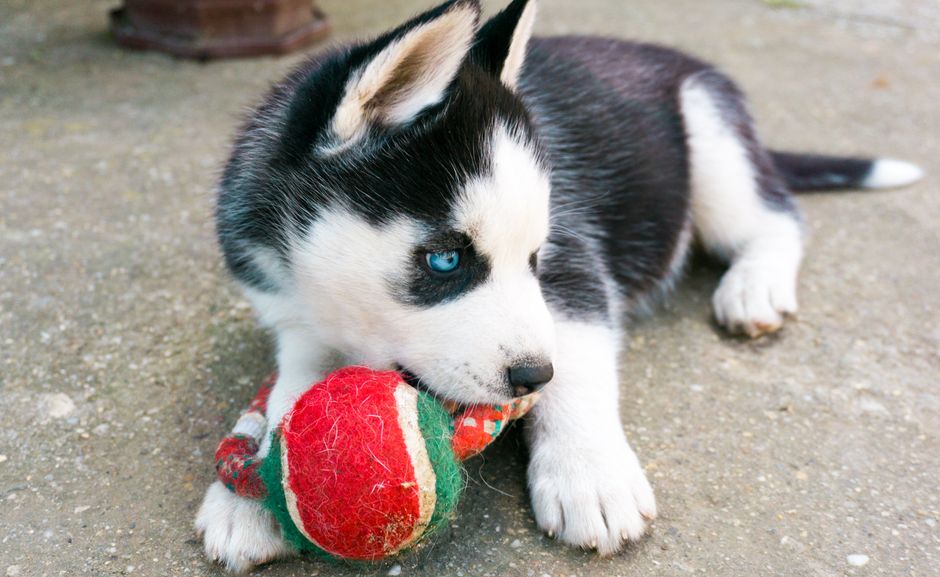
Puppies go through a teething phase between 4 and 8 months of age. During this time, their gums are sore, and chewing helps relieve discomfort. Your Husky puppy will gnaw on anything to soothe their mouth, including furniture, shoes, and your hands.
Boredom and Lack of Exercise
Huskies are working dogs that require at least 1–2 hours of vigorous exercise daily. If they don’t get enough physical activity, they become bored. Boredom quickly turns into destructive chewing as a way to burn off energy and occupy themselves.
Separation Anxiety
Huskies are pack animals and can develop separation anxiety when left alone for long periods. Chewing is a common symptom of stress and anxiety. They may chew door frames, windowsills, or personal items that smell like you.
Curiosity and Exploration
Dogs explore the world with their mouths. A Husky that is not properly trained may chew out of curiosity. Objects with interesting textures, smells, or tastes become targets.
Common Chewing Issues
Destructive chewing can take many forms. Here are the most common problems Husky owners face:
- Furniture and Household Items – Chairs, table legs, cushions, rugs, and curtains are frequent victims.
- Personal Belongings – Shoes, socks, remote controls, and children’s toys are often chewed because they carry the owner’s scent.
- Walls and Doors – Some Huskies chew drywall, door frames, and baseboards, especially when anxious.
- Yard Destruction – If left unsupervised outdoors, they may chew garden hoses, planters, or wooden fences.
- Dangerous Items – Chewing electrical cords, poisonous plants, or sharp objects can lead to serious injury or poisoning.
How to Stop Destructive Chewing
Stopping destructive chewing requires a combination of management, training, and providing appropriate outlets. Here’s a step-by-step approach.
1. Provide Adequate Exercise
A tired Husky is a well-behaved Husky. Ensure your dog gets at least 45–60 minutes of high-intensity exercise twice daily. Activities like running, hiking, biking, or playing fetch are great. Mental exercise is equally important; use puzzle toys, obedience training, or nose work games to tire their mind.
2. Manage the Environment
Until the chewing habit is under control, limit your Husky’s access to items they should not chew.
- Use baby gates to block off rooms where valuable items are kept.
- Keep shoes, clothes, and children’s toys off the floor.
- Store electrical cords out of reach or use cord protectors.
- Use a crate or pen when you cannot supervise (more on crate training below).
3. Crate Training
When used correctly, a crate provides a safe space and prevents destructive chewing when you’re away. Choose a sturdy, appropriately sized crate. Introduce it gradually with positive reinforcement. Never use it as punishment. Your Husky should associate the crate with comfort and safety.
4. Redirect Chewing to Appropriate Items
Whenever you catch your Husky chewing something inappropriate, calmly interrupt them and offer a suitable chew toy. Praise them when they take it. This teaches them what is acceptable to chew. Keep several toys readily available throughout your home.
5. Use Bitter Deterrents
Spray a pet-safe bitter apple or citrus deterrent on furniture, cords, and other off-limits items. Most dogs hate the taste and will avoid chewing those surfaces. Reapply regularly, especially initially.
6. Address Separation Anxiety
If your Husky only chews when you’re gone, separation anxiety may be the cause. Desensitize your dog to your departures by practicing short absences. Consider leaving them with a stuffed KONG or engaging puzzle toy. For severe cases, consult a veterinarian or professional behaviorist. Medication may be necessary.
7. Provide Mental Stimulation
Huskies are clever and need jobs to do. Rotate their toys every few days to keep them novel. Offer food-dispensing toys, hide treats around the house for them to find, or teach new tricks. A mentally stimulated Husky is less likely to chew destructively.
8. Consistency and Patience
Changing a behavior takes time. Be consistent with your rules and training. Never punish after the fact; your Husky won’t connect the punishment with the chewing that happened hours ago. Positive reinforcement works best.
What to Give Your Husky to Chew
Providing appropriate chew items is essential. Not all toys are safe or durable enough for a powerful Husky. Here’s a list of recommended options:
| Type | Examples | Benefits |
|---|---|---|
| Durable Rubber Toys | KONG, GoughNuts, West Paw Zogoflex | Can be stuffed with treats; withstand strong chewing |
| Nylon Bones | Nylabone, Benebone | Last a long time; help clean teeth |
| Natural Chews | Bully sticks, beef tendons, antlers | Long-lasting and satisfying; some are digestible |
| Interactive Puzzles | Outward Hound puzzles, treat balls | Provide mental stimulation; slow down feeding |
| Stuffed Frozen Toys | KONG filled with peanut butter and frozen | Soothing for teething puppies; long-lasting |
| Rope Toys | Knots, braided ropes | Good for tug-of-war; help floss teeth (supervise) |
Important: Avoid cooked bones (they can splinter), rawhide (choking and digestive risk), and hard plastic toys that can break into sharp pieces. Always supervise your Husky with new chew items and discard them when worn out.
When to Worry
While chewing is normal, some signs indicate a deeper problem that may require professional help.
- Compulsive Chewing – If your Husky chews obsessively even when you are present and have provided alternatives, it may be a sign of a compulsive disorder.
- Pica – Chewing and eating non-food items like rocks, metal, or fabric can indicate nutritional deficiencies or medical issues. Consult your vet.
- Sudden Onset – If a previously non-destructive adult Husky suddenly starts chewing, it could be due to pain, dental problems, or anxiety. A veterinary checkup is advisable.
- Danger to Self – Chewing electrical cords, toxic plants, or sharp objects requires immediate intervention. Manage the environment and seek training help.
If you’ve tried the above strategies for several weeks without improvement, consider working with a certified dog trainer or veterinary behaviorist who has experience with Siberian Huskies.
Conclusion
Husky chewing problems are common but manageable. By understanding the reasons behind the behavior and providing proper exercise, mental stimulation, and appropriate outlets, you can redirect your Husky’s chewing to acceptable items. Patience and consistency are key. Remember, your Husky isn’t trying to be naughty – they’re just being a dog. With love and training, you can protect your belongings and keep your furry friend happy and healthy.