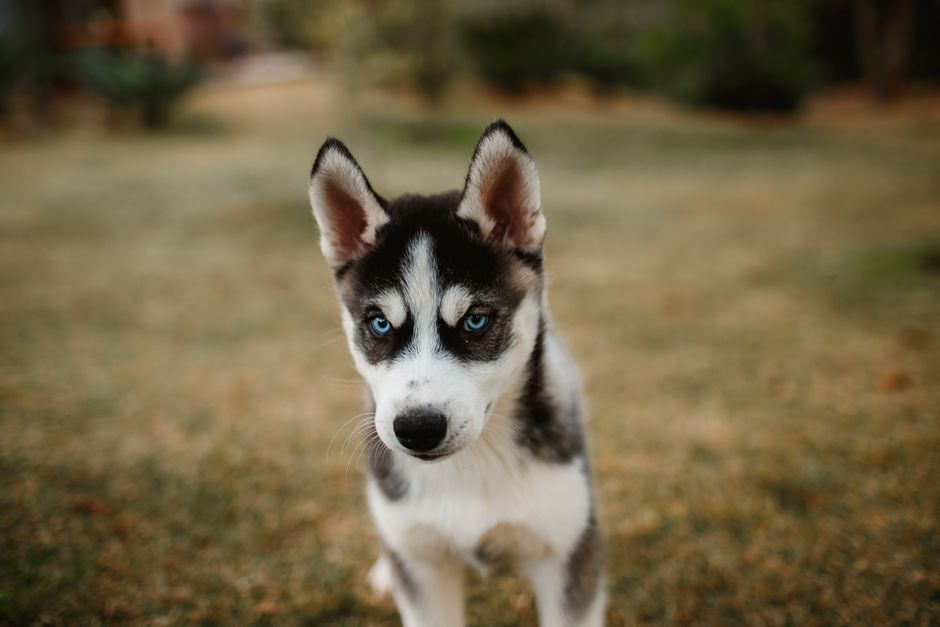
Understanding the Husky Training Timeline
Training a Siberian Husky is a rewarding journey that requires patience, consistency, and an understanding of their unique temperament. This comprehensive timeline breaks down the critical stages of training from puppyhood to adulthood, ensuring your Husky grows into a well-behaved and happy companion.
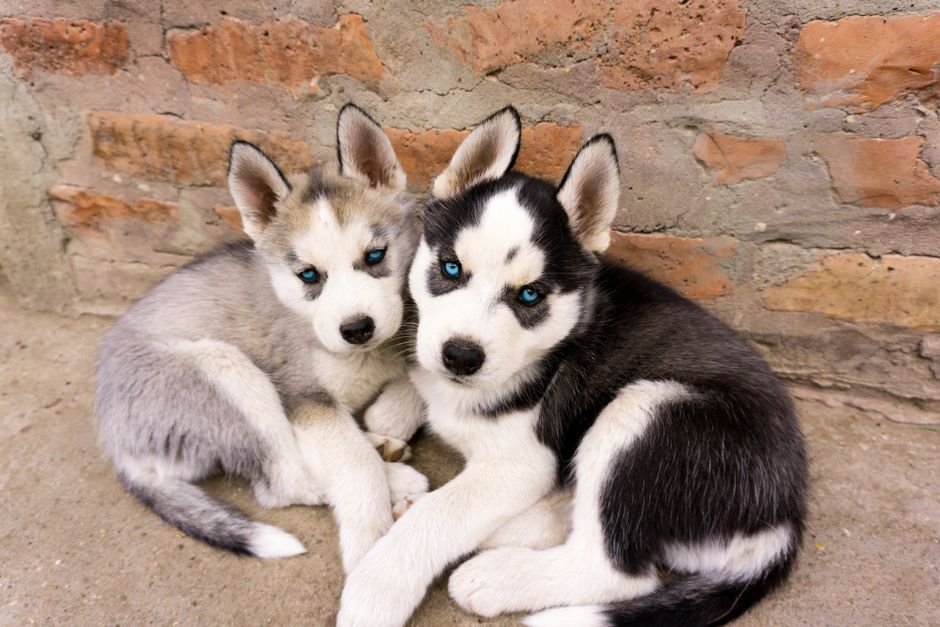
8-12 Weeks: Foundation and Socialization
Basic Crate Training
Start crate training immediately. Huskies den animals naturally, so a crate becomes their safe space. Place the crate in a quiet area, make it cozy with bedding, and use treats to encourage entry. Never use the crate as punishment. Aim for short periods, gradually increasing duration.
Housebreaking
Establish a routine: take your puppy out first thing in the morning, after meals, and before bedtime. Use a consistent command like 'go potty'. Accidents will happen; clean with an enzymatic cleaner to remove scent. Crate training aids housebreaking as dogs avoid soiling their den.
Socialization
Expose your Husky to various people, environments, sounds, and other vaccinated dogs. Enroll in a puppy socialization class. Positive experiences now prevent fear and aggression later. Introduce handling (paws, ears, mouth) to ease future grooming and vet visits.
Basic Commands
Teach 'sit', 'stay', 'come', and 'leave it' using positive reinforcement (treats, praise). Keep sessions short (5-10 minutes). Huskies are intelligent but independent; use high-value treats like chicken or cheese. Practice in different locations to generalize behaviors.
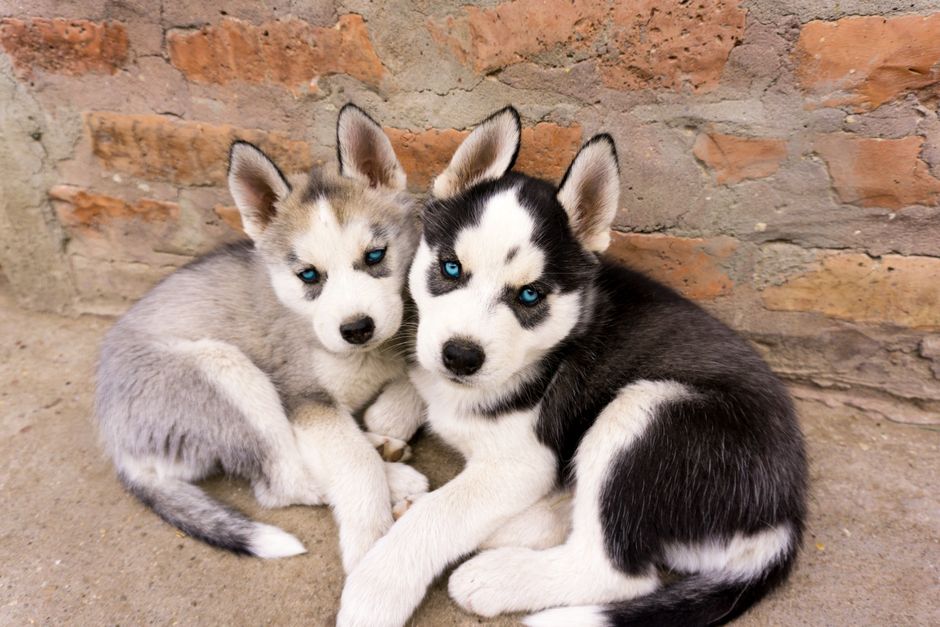
3-4 Months: Building on Basics
Leash Training
Huskies are strong pullers. Start loose-leash walking indoors, rewarding when the leash is slack. Use a front-clip harness to reduce pulling. Practice in low-distraction areas before progressing to busier environments. Avoid retractable leashes; they encourage pulling.
Impulse Control
Teach 'wait' at doors and 'stay' with distractions. Use games like 'leave it' with toys. Huskies have a high prey drive, so proofing these commands is essential. Practice in controlled settings, gradually increasing difficulty.
Bite Inhibition
Puppies bite during play. Yelp sharply to signal pain, then redirect to a toy. If biting continues, end play and ignore for a minute. Consistency is key; never use physical punishment.
5-6 Months: Adolescence Begins
Handling Stubbornness
Huskies become more independent. Reinforce previous training with higher-value rewards and shorter sessions. If your Husky ignores a command, go back to basics. Avoid repeating commands; instead, show the reward and wait for compliance.
Off-Leash Reliability
Huskies are notorious escape artists. Only practice off-leash in fenced areas. Use a long line for recall training. Practice 'come' in distracting environments. Never chase your Husky; they may think it's a game.
Advanced Commands
Introduce 'down', 'heel', and 'place' (go to a mat). Use shaping or capturing methods. Keep training fun; incorporate play and puzzles to engage their problem-solving mind.
7-12 Months: Teenage Challenges
Consistency is Crucial
Your Husky may test boundaries. Maintain routines and enforce rules without anger. Use management tools like baby gates to prevent unwanted behaviors. Provide plenty of exercise – a tired Husky is a well-behaved Husky.
Preventing Escape Attempts
Secure your yard: check for gaps, use locks on gates, and consider a coyote roller. Huskies can jump fences up to 6 feet. Supervise outdoor time. Microchip your dog and keep ID tags updated.
Impulse Control Reinforcement
Practice 'leave it' around squirrels, cats, and food on counters. Use desensitization techniques. If your Husky fixates on a stimulus, redirect with a known command like 'touch' or 'look at me'.
12-18 Months: Young Adult
Advanced Obedience
Work on off-leash heel, distance stays, and reliable recall under distraction. Consider dog sports like agility or biking (canicross) to channel energy. Huskies thrive on physical and mental challenges.
Continued Socialization
Expose your adult Husky to new experiences regularly. Visit dog-friendly stores, cafés, or hiking trails. Praise calm behavior. Avoid dog parks if your Husky is selective; arrange playdates with known dogs.
Problem Behaviors
Address issues like digging, howling, or chewing. Provide appropriate outlets: digging pit, puzzle toys, frozen Kongs. If problems persist, consult a professional trainer specializing in northern breeds.
18 Months and Beyond: Lifelong Training
Maintenance
Training never stops. Practice commands daily, even if just for 5 minutes. Rotate tricks to keep your Husky engaged. Regularly revisit proofing exercises.
Senior Considerations
As your Husky ages, adapt training to any physical limitations. Use softer surfaces for training, and keep sessions short. Mental stimulation remains important; use nose work or gentle fetch.
Sample Training Schedule at a Glance
| Age | Focus | Duration | Key Tips |
|---|---|---|---|
| 8-12 weeks | Crate training, housebreaking, socialization | Short sessions (5-10 min) | Positive reinforcement, no punishment |
| 3-4 months | Leash training, impulse control, bite inhibition | 10-15 min | Use high-value treats, be patient |
| 5-6 months | Off-leash basics, advanced commands | 10-15 min | Reinforce basics, introduce distractions |
| 7-12 months | Boundary testing, escape prevention | 15-20 min | Consistency, secure environment |
| 12-18 months | Advanced obedience, dog sports | 20-30 min | Channel energy, continue socialization |
| 18+ months | Maintenance and adaptation | Daily 5-10 min | Lifelong learning, adjust for age |
Final Tips for Husky Training Success
- Be consistent: Use the same commands and rules across all family members.
- Use positive reinforcement: Reward desired behaviors; ignore or redirect unwanted ones.
- Provide ample exercise: Huskies need at least 1-2 hours of vigorous activity daily.
- Keep training fun: Incorporate games, toys, and variety to prevent boredom.
- Seek professional help: If you encounter persistent issues, enroll in obedience classes or consult a certified trainer.
Remember, every Husky is an individual. Adjust the timeline based on your dog's progress. Patience and consistency will yield a loyal, well-trained companion for life.