Bringing home a Siberian Husky puppy is an exciting adventure, but it often comes with a prickly challenge: those sharp little teeth. Husky puppy biting is a normal phase, but without proper training, it can become a persistent problem. This comprehensive guide will walk you through everything you need to know about husky puppy biting training, from understanding why they bite to step-by-step solutions that work.
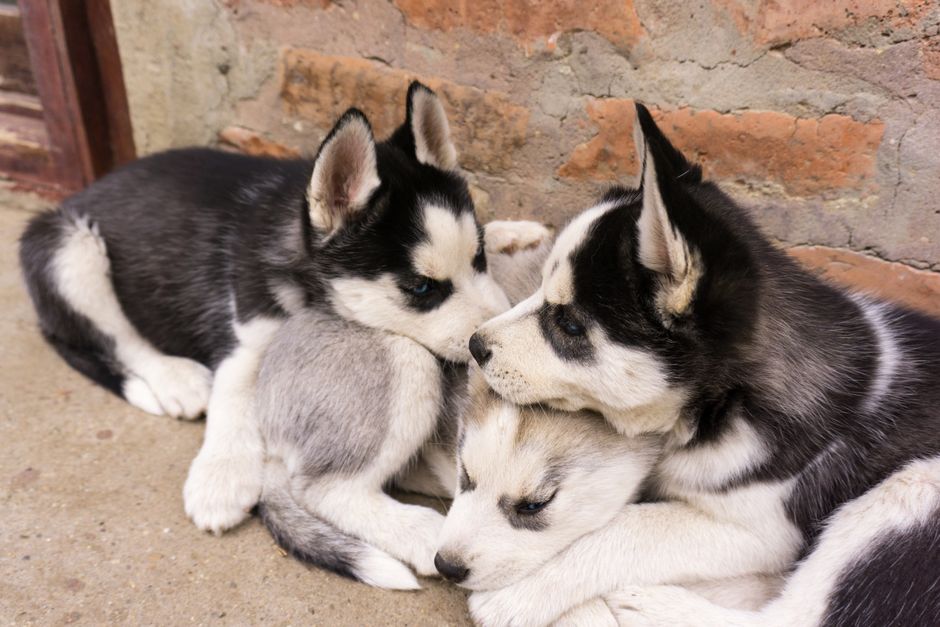
Why Is My Husky Puppy Biting? Understanding the Behavior
Before you can stop the biting, you need to understand why your husky puppy is doing it. Huskies are a mouthy breed—they explore the world with their mouths, just like human babies. Common reasons for biting include:
- Teething discomfort: Puppies teethe between 3-6 months, and biting helps relieve gum pain.
- Play and exploration: Biting is a natural part of puppy play and how they interact with littermates.
- Attention-seeking: If your puppy learns that biting gets a reaction, they'll repeat it.
- Lack of bite inhibition: Puppies haven't yet learned how to control the pressure of their jaws.
Huskies, being intelligent and independent, may also bite out of frustration or overstimulation. Recognizing the context is key to applying the right training technique.
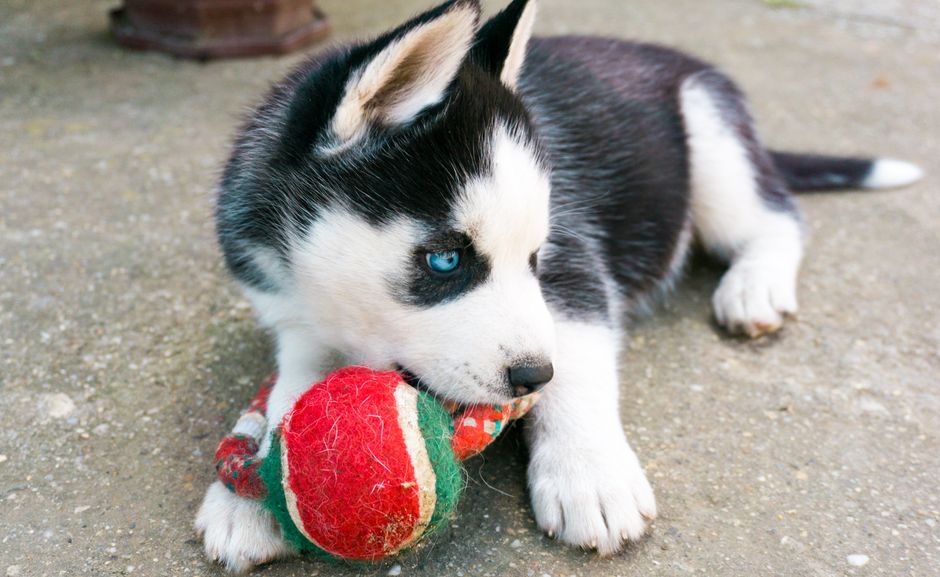
The Critical Window for Training: When to Start
Start husky puppy biting training as soon as you bring your pup home—typically around 8 weeks of age. The first few months are the prime socialization period, during which puppies are most receptive to learning bite inhibition. Delaying training can lead to stronger biting habits that are harder to break. Remember, a 10-pound puppy's nip is cute, but a 50-pound adult husky's bite is not. Training early prevents future problems.
How to Stop Husky Puppy Biting: Step-by-Step Guide
Here are proven methods to curb your husky puppy's biting, broken down into actionable steps.
Use the 'Ouch!' Method
This technique mimics how littermates teach each other bite inhibition. When your puppy bites too hard, let out a high-pitched, sharp "Ouch!" or yelp. Then, immediately withdraw your attention—stand up, turn away, and ignore the puppy for about 10-20 seconds. This teaches that hard biting ends all fun. Repeat consistently. For softer bites, reward with praise or treats. Over time, your puppy will learn to mouth gently or stop altogether.
Redirection to Chew Toys
Huskies have strong jaws and love to chew. Keep several teething toys, frozen washcloths, and chew bones handy. Whenever your puppy starts biting your hands or feet, offer a toy instead. Wiggle it to make it interesting. Praise and reward when they take the toy. This redirects their natural urge to chew onto appropriate items. Note: Rotate toys to keep them novel and interesting.
Time-Outs and Positive Reinforcement
If redirection fails, use a calm time-out. Gently place your puppy in a designated quiet area (like a bathroom or playpen) for 30-60 seconds. This removes them from the stimulating situation and teaches that biting leads to isolation. After the time-out, allow them back and resume play. If they bite again, repeat. Do not use harsh punishment—it can increase anxiety and aggression. Positive reinforcement for non-biting behavior is more effective: treat and praise when they lick or play gently.
Socialization and Bite Inhibition
Expose your husky puppy to well-vaccinated, friendly adult dogs who can provide feedback. Adult dogs often correct puppies who bite too hard by growling or walking away. This teaches your puppy appropriate mouth pressure. Puppy classes and playdates are great for this. Also, handle your puppy's paws, ears, and muzzle often to desensitize them to touch, reducing defensive biting.
Common Mistakes to Avoid in Husky Biting Training
Avoid these pitfalls that can undermine your training efforts:
- Playing roughly with your hands: Never use your hands as toys. Tug-of-war with hands teaches biting is okay. Use toys only.
- Punishing or yelling: Huskies are sensitive and may become fearful or aggressive if punished harshly.
- Inconsistency: If family members use different methods, your puppy will be confused. Agree on a consistent approach.
- Expecting instant results: Biting reduction takes weeks. Patience is essential.
- Ignoring exercise: A tired husky is a well-behaved husky. Ensure your puppy gets appropriate physical and mental exercise to burn off excess energy that can lead to biting.
When to Seek Professional Help
If your husky puppy's biting is aggressive (accompanied by growling, stiff body, or intense staring), if it doesn't improve with consistent training, or if it escalates after 6 months of age, consult a certified professional dog trainer or veterinary behaviorist. Some huskies may have underlying anxiety or pain. Professional guidance can create a tailored plan.
Conclusion: Patience and Consistency
Husky puppy biting training requires patience, consistency, and understanding. biting is a natural puppy behavior that can be redirected with the right techniques. Use the 'ouch' method, provide chew toys, implement time-outs, and prioritize socialization. Avoid common mistakes and seek help if needed. With time, your husky will learn to keep their teeth to themselves, strengthening the bond between you. For more husky care tips, explore our other articles on training, feeding, and health.