Training a Siberian Husky indoors presents unique challenges and opportunities. These intelligent, energetic dogs were bred for pulling sleds across vast Arctic expanses, not for lounging in living rooms. However, with the right approach, indoor training can be highly effective. This comprehensive guide will walk you through everything you need to know about training your Husky inside the home, from housebreaking to advanced obedience, while keeping your dog engaged and your sanity intact.
Understanding the Husky Mindset
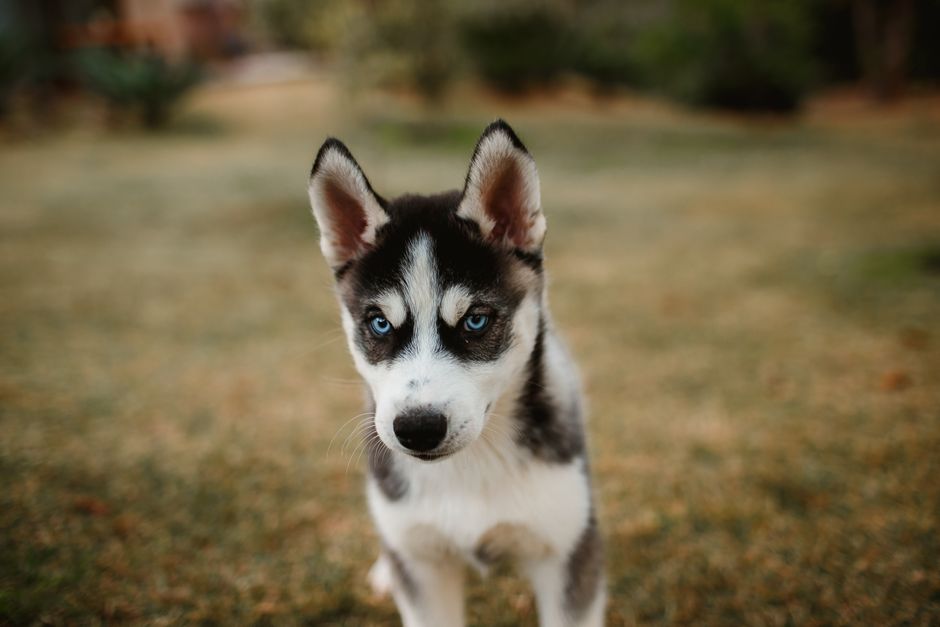
Siberian Huskies are independent, clever, and sometimes stubborn. They were bred to think for themselves while pulling sleds, which means they may not obey blindly. Indoor training requires patience, consistency, and motivation. Keep training sessions short (5-10 minutes) to prevent boredom. Use high-value treats like chicken or cheese, as food is a powerful motivator for this breed. Always end sessions on a positive note.
Essential Indoor Training Commands
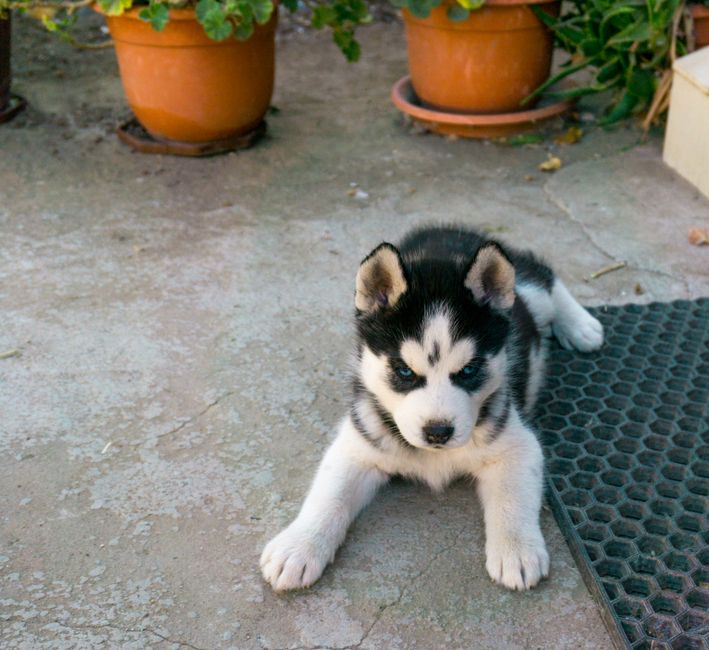
Start with basic commands that are useful indoors.
Sit
Hold a treat near your Husky's nose, then slowly raise it above their head. As their head goes up, their bottom will naturally lower. Say "Sit" as they do, then reward. Practice in different rooms to generalize the behavior.
Stay
Ask your Husky to sit, then open your palm and say "Stay." Take one step back. If they hold, return and reward. Gradually increase distance and duration. Indoor "stay" is crucial for safety when opening doors or in busy areas.
Leave It
Place a low-value item (like a toy) on the floor. Cover it with your hand if needed. Say "Leave it" and when your Husky looks away, reward with a high-value treat. This prevents them from grabbing shoes, remotes, or other household items.
Down
Start with your Husky in a sit. Hold a treat in your closed hand near their nose, then lower your hand to the floor. They should follow into a down position. Say "Down" and reward. This is useful for calming them indoors.
Housebreaking and Potty Training Indoors
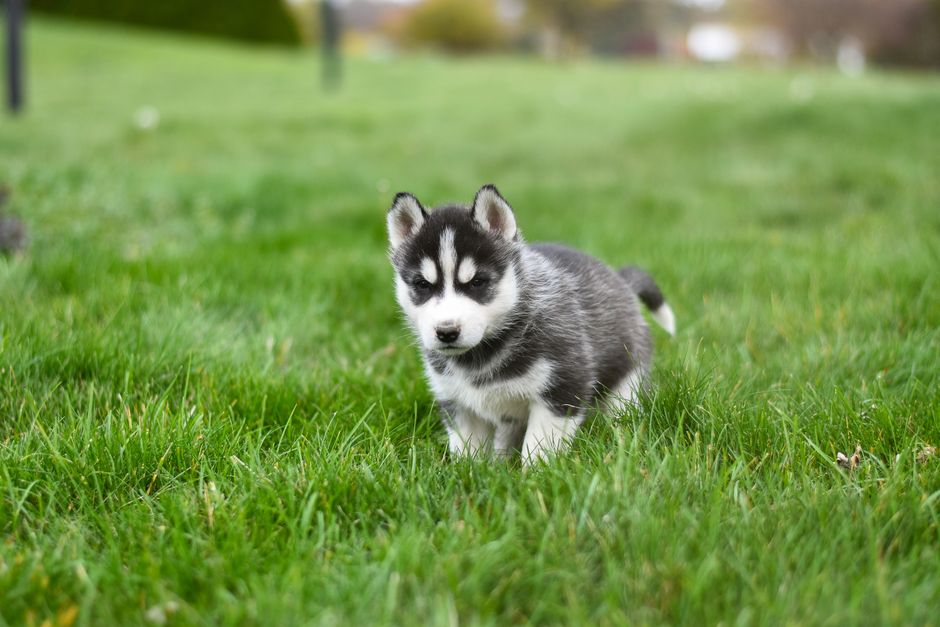
Housebreaking a Husky requires diligence. They are generally clean dogs but can be tough to potty train due to their independent nature. Use these strategies:
- Crate training: Huskies den naturally. Use a crate large enough to stand, turn, and lie down. Never use it for punishment. Take them outside immediately after crate time.
- Schedule: Feed meals at regular times. Puppies need potty breaks every 2-3 hours. Adult Huskies can hold it longer, but still require frequent outdoor trips.
- Indoor alternatives: For apartment dwellers, use puppy pads or a grass patch. Place in a designated area and consistently bring them there. Reward success heavily.
- Clean accidents thoroughly: Use enzymatic cleaners to remove all traces of urine, or your Husky will return to the same spot.
Managing Destructive Behavior
Huskies are notorious for chewing, especially when bored. Indoor training must address this. Provide plenty of safe chew toys like Kongs filled with peanut butter, Nylabones, or hard rubber toys. Rotate toys to maintain novelty. If you catch your Husky chewing furniture, give a firm "No" and redirect to an appropriate toy. Ensure they get adequate physical and mental exercise—a tired Husky is less destructive.
Engaging Mental Stimulation Indoors
Huskies need mental work as much as physical. Indoor training should include brain games:
- Hide and seek: Hide treats or yourself around the house. Your Husky uses their nose to find them. This taps into their hunting instincts.
- Puzzle toys: Interactive feeders that dispense treats when manipulated keep them busy for minutes.
- Nose work: Teach them to find specific scents. Use essential oils on a cotton ball and hide it. Start easy and progress.
- Impulse control games: Place a treat on your hand and only allow them to take it after a verbal release like "Take it." This builds self-control.
Obedience Training and Cue Following
Huskies can be selective listeners. For reliable indoor obedience:
- Use hand signals along with verbal cues. Visual cues often work better for this breed.
- Reward every correct response initially, then wean to variable rewards.
- Practice in various indoor locations: kitchen, bedroom, hallway. Generalization is key.
- Incorporate distractions: have another person walk by, drop a toy, or play background noise.
Leash Training Indoors
Before taking your Husky outside, train them to walk on a loose leash indoors. A no-pull harness can help. Start by having them on leash while following you around the house. Reward them for staying close without pulling. Use the "let's go" command and turn direction abruptly. When they follow, reward. Practice doorways and thresholds—behind every door, have a training moment. This prevents door dashing.
Addressing Barking and Whining
Huskies are vocal dogs. They howl, whine, and "talk." Indoors, excessive noise can be problematic. Teach a "Quiet" command: when they bark, say "Quiet" in a calm, firm voice. The moment they stop (even for a second), reward. Gradually increase the quiet duration. Provide alternative outlets like a stuffed Kong to redirect vocalization.
Creating a Training Schedule
Consistency matters. Aim for at least two short training sessions daily. Sample schedule for an adult Husky:
| Time | Activity |
|---|---|
| Morning | 5-minute obedience review (sit, stay, down) |
| Midday | 10-minute mental game (hide and seek) |
| Afternoon | 5-minute training walk indoors with leash |
| Evening | 10-minute new command practice or trick training |
| Before bed | Quiet time with a chew toy |
Common Mistakes to Avoid
- Using punishment: Harsh corrections can ruin trust. Huskies respond best to positive reinforcement.
- Inconsistency: If you allow jumping sometimes but not others, your Husky gets confused. Stick to rules.
- Skipping exercise: A pent-up Husky cannot focus. Always exercise before training sessions.
- Not proofing in distractions: Indoor training must be tested with household distractions to be reliable.
Conclusion
Indoor training for a Siberian Husky is entirely possible with the right mindset. Focus on building a strong bond through positive methods, provide ample mental and physical stimulation, and remain patient. Every Husky learns at their own pace. Celebrate small victories along the way. With consistent effort, you'll have a well-mannered indoor companion who can still embrace their inner sled dog during outdoor adventures. Start today, and enjoy the journey with your incredible Husky.