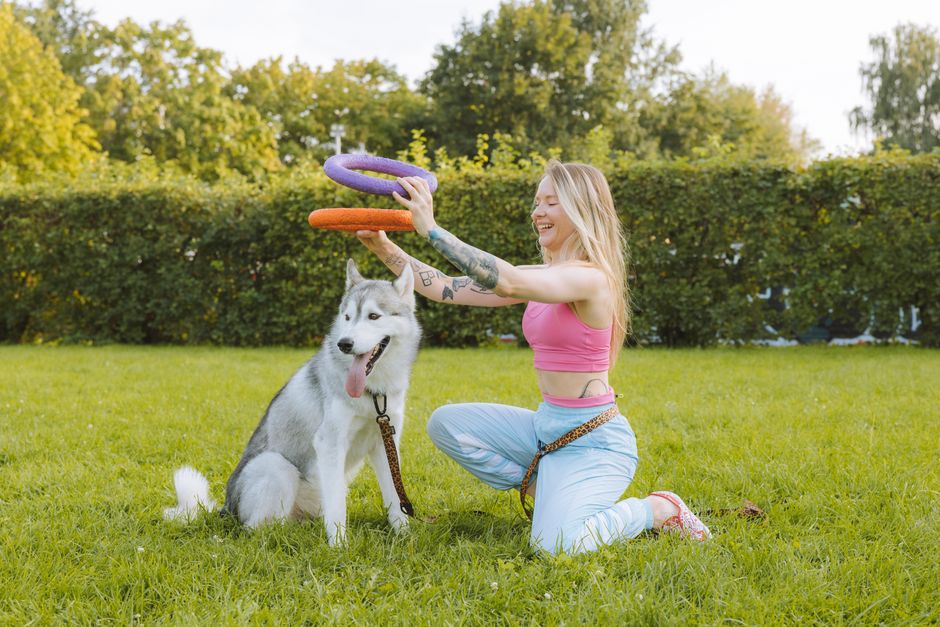
Why Outdoor Training is Crucial for Your Siberian Husky
Siberian Huskies are energetic, independent dogs bred for endurance and pulling sleds over vast frozen landscapes. Outdoor training isn't just a luxury—it's a necessity. Without structured outdoor sessions, Huskies can become destructive, anxious, or develop escape behaviors. Training outdoors taps into their natural instincts, provides mental stimulation, and strengthens your bond. This guide covers everything from basic commands to advanced recall, ensuring safe and effective sessions.
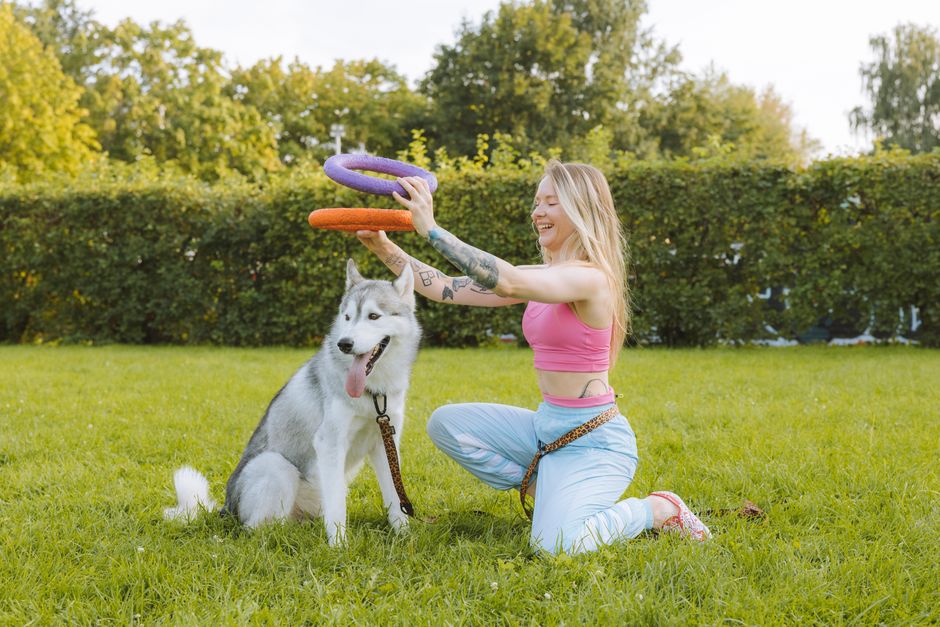
Essential Gear for Husky Outdoor Training
Before heading out, equip yourself with the right tools. Huskies have thick double coats and high prey drives, so standard collars may not suffice.
| Item | Purpose | Tip |
|---|---|---|
| Harness (front-clip or no-pull) | Prevents pulling and neck strain | Choose a padded, escape-proof model |
| Long line (15–30 ft) | Allows controlled freedom for recall practice | Use a lightweight, tangle-resistant rope |
| High-value treats | Motivates and rewards compliance | Small, soft, and stinky (e.g., freeze-dried liver) |
| Clicker (optional) | Marks exact behavior | Pair with treats immediately |
| Water bottle & collapsible bowl | Hydration, especially in warm weather | Never let your Husky overheat |
| Poop bags & ID tags | Responsibility & safety | Update tags with your phone number |
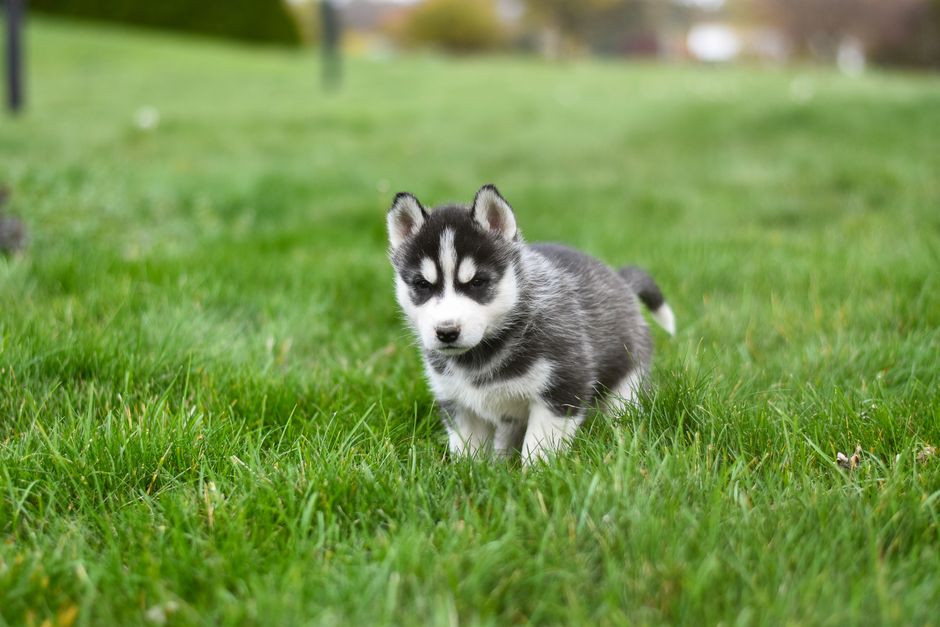
Mastering Basic Commands in the Outdoors
Sit, Stay, and Down
Start in a low-distraction outdoor area (like a quiet backyard). Use high-value treats and clear hand signals. For 'sit,' lure the nose upward; for 'down,' lure to the ground. Practice 'stay' by taking a step back, then returning to reward. Gradually increase distance and duration. Huskies are clever but stubborn—keep sessions short (5–10 minutes) and positive.
Leave It and Drop It
Huskies have a strong prey drive and will chase squirrels, rabbits, or even cars. Teach 'leave it' by placing a treat on the ground, covering it with your hand, and saying 'leave it.' Reward when they look at you instead. For 'drop it,' trade an object for a treat. Practice with toys, then with found objects during walks.
Leash Training: From Pulling to Loose-Leash Walking
Huskies were bred to pull, so loose-leash walking is challenging. Use a front-clip harness. When your Husky pulls, stop moving. Wait until the leash slackens, then proceed. Reward every few steps for walking beside you. Consider the 'red light, green light' method: walk when the leash is loose, stop when it's tight. Be consistent—this may take weeks or months. Never use a retractable leash; they encourage pulling and are dangerous.
Recall Training: The Lifesaving Skill
Recall is the most critical outdoor command. Start in a fenced area with a long line. Say your dog's name and 'come!' in an excited tone, then run backward. When they reach you, reward profusely. Gradually increase distance and distractions. Never punish your Husky for coming slowly—that teaches them not to come. Use a special recall word (e.g., 'cookies!') only used for emergencies. Practice every few days.
Safety Tips for Outdoor Sessions
- Check weather: Huskies overheat easily. Avoid vigorous exercise above 70°F (21°C). Early morning or late evening is best.
- Secure surroundings: Always use a leash or long line unless in a secure, fully fenced area. Huskies are escape artists—check for gaps.
- Hydration: Offer water every 15 minutes. Signs of overheating: heavy panting, drooling, unsteady gait. Stop immediately.
- Watch for hazards: Broken glass, toxic plants, wildlife, or unfriendly dogs. Keep treats and a first aid kit handy.
Socialization and Outdoor Etiquette
Expose your Husky to various environments: parks, trails, downtown areas, and different surfaces. Let them meet calm, vaccinated dogs. Avoid dog parks initially—Huskies can be overly boisterous. Teach polite greetings: no jumping, sniff politely, then move on. Reward neutrality around strangers. Socialization reduces fear-based aggression and makes outdoor adventures enjoyable.
Meeting Your Husky's Exercise Needs Outdoors
Huskies need 1–2 hours of vigorous exercise daily. Outdoor training can include jogging, hiking, biking (with a bike attachment), or skijoring in winter. Mix structured training with free play. Puzzle toys, fetch, and flirt poles engage their mind. A tired Husky is a well-behaved Husky. However, avoid over-exercising puppies—stick to 5 minutes of structured activity per month of age, twice a day.
Common Outdoor Training Challenges
Pulling on the Leash
As mentioned, consistency is key. If your Husky still pulls, try the 'turn around' method: when they pull, turn 180 degrees and walk the other way. This teaches them to watch you. No-pull harnesses with front clips also help.
Ignoring Commands
Huskies are independent. If your Husky ignores you, you may be competing with higher-value stimuli. Use extra-high-value treats (e.g., cheese, chicken) and practice in quiet areas first. Keep training fun and short. Never yell—it ruins trust.
Chasing Wildlife
This is instinctual. Practice 'leave it' and recall with a long line in safe fields. If their prey drive is extreme, consider a professional trainer. Always keep your Husky leashed in unsecured areas.
Excessive Barking or Whining
Huskies are vocal, but if whining during training means they're frustrated or overstimulated. Take a break. Ensure you're rewarding calm behavior, not demanding perfection.
Conclusion
Outdoor training transforms your Siberian Husky from a high-energy handful into a focused, happy companion. With patience, consistency, and the techniques in this guide, you'll reach your Husky's potential while keeping them safe. Start today—grab your harness, treats, and head outside. Your Husky will thank you with a wagging tail and a lifetime of adventurous companionship.