Teaching your Siberian Husky to walk on a loose leash can feel like an uphill battle, especially given their independent, energetic nature. But with patience, consistency, and the right techniques, you can transform your daily walks from a pulling marathon into a pleasant bonding experience. This comprehensive guide will walk you through the fundamentals of loose leash walking tailored specifically for Huskies, covering everything from understanding their instincts to advanced training methods.
Understanding Your Husky's Pulling Instinct
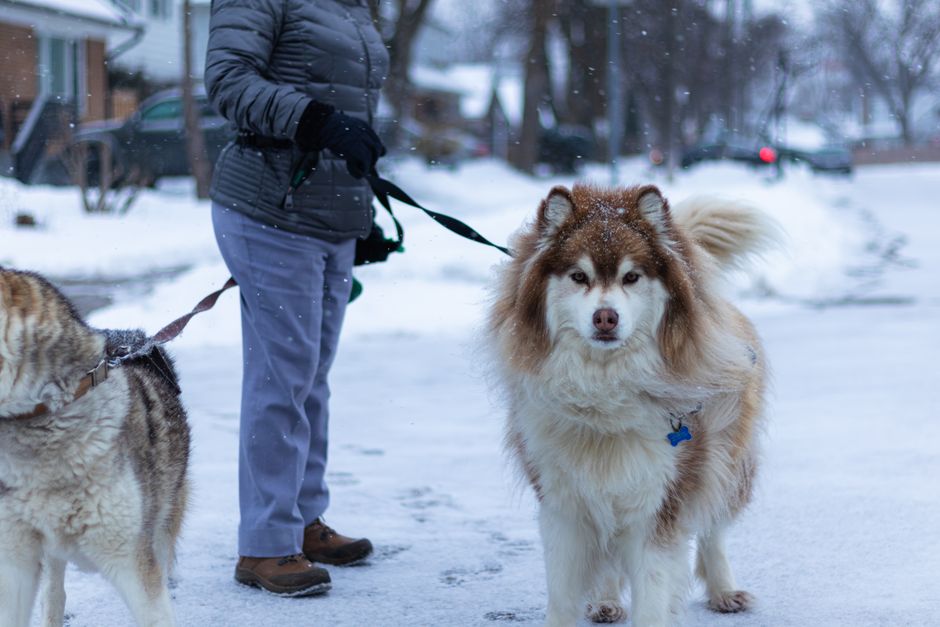
Before diving into training, it's crucial to understand why your Husky pulls. Bred as sled dogs, Huskies have a natural instinct to pull and run. Their high prey drive and desire to explore can also contribute to leash pulling. Recognizing that pulling is not defiance but an ingrained behavior helps you approach training with empathy and strategic thinking.
- Sled Dog Heritage: Pulling is in their DNA. They were bred for endurance pulling over long distances.
- High Energy Levels: Huskies need lots of exercise; a tired Husky is more receptive to training.
- Curiosity and Prey Drive: They want to investigate every smell, sight, and sound, often leading them forward.
Understanding these factors will shape your training plan. For example, regular exercise before training sessions can reduce excess energy and improve focus.
Essential Equipment for Loose Leash Walking
Choosing the right gear can significantly impact your training success. Here's a comparison of common tools:
| Tool | Pros | Cons |
|---|---|---|
| Flat buckle collar | Simple, comfortable for dogs that don't pull | Can cause neck strain and trachea damage in pullers |
| Martingale collar | Gentle tightening prevents slipping out | Still puts pressure on neck if pulling hard |
| Front-clip harness | Redirects dog's body when pulling; reduces pulling momentum | May cause chafing if ill-fitting; requires correct size |
| Back-clip harness | Comfortable for casual walks | Encourages pulling; can give your Husky more leverage |
| Gentle leader (head halter) | Effective at controlling direction; prevents pulling | Some dogs resist wearing it; requires desensitization |
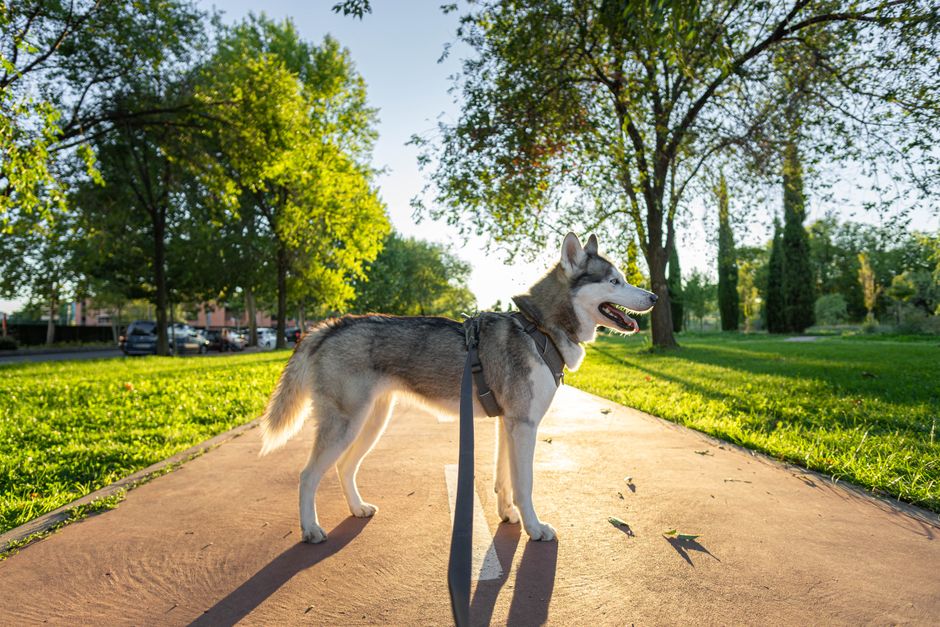
For Huskies, a front-clip harness is often recommended as it gives you better control without causing harm. Pair it with a 6-foot standard leash—avoid retractable leashes as they can encourage pulling and reduce your control during training.
Getting Started: Foundation Exercises
Before tackling the actual walk, practice these foundational exercises in a low-distraction environment like your living room or backyard.
The Focus Game
Teach your Husky to make eye contact with you on cue. Hold a treat near your face and say “watch me.” When they look at you, mark with a “yes” or clicker and reward. Gradually increase duration and add distractions. This focus will be invaluable during walks.
Stationary Loose Leash Practice
Stand with your dog on a leash. Hold the leash loosely (a “J” shape). If your dog pulls even slightly, stop moving, stand still, and wait. Only proceed when the leash slackens. Reward any slack with a treat and gentle praise. Repeat until your dog understands that tension stops forward motion.
Turn and Reward
In a low-distraction area, walk a few steps and then suddenly change direction. As your Husky follows, mark and reward. This teaches them to pay attention to your movements. Over time, they'll learn to stay close to anticipate your turns.
Step-by-Step Training Method for Loose Leash Walking
Now that your Husky understands the basics, it's time to integrate them into real walks. Follow this structured approach:
Step 1: Start Inside or in a Fenced Yard
Begin where distractions are minimal. Attach the leash and harness. Practice your earlier exercises: focus, stationary loose leash, and turns. Keep sessions short (5-10 minutes) and positive.
Step 2: Move to a Quiet Outdoor Area
Choose a quiet street or park at a low-traffic time. Walk at your dog's pace but maintain the rule: tension stops the walk. If your Husky pulls, stop. Wait for slack. When they look back or step closer, praise and continue. Use treats to reinforce loose leash.
Step 3: Use the “Go Sniff” Cue
Huskies love to explore. Designate times when pulling is OK, such as during a “go sniff” cue. Tell “go sniff” and let them pull slightly toward a scent for a few seconds. Then say “let's go” and resume loose leash expectation. This gives them an outlet and reduces overall pulling.
Step 4: Gradually Increase Distractions
As your Husky improves, introduce more challenging environments: busier streets, dog parks (from a distance), areas with squirrels. If they regress, go back a step. Consistency is key. Reward heavily for good behavior in distracting situations.
Step 5: Mix Up Rewards
Use several rewards—treats, praise, play. Some Huskies are more toy-motivated. Keep high-value treats for tough moments. Vary your rewards to keep your dog engaged.
Common Challenges and Solutions
Even with diligent training, you may encounter setbacks. Here's how to handle them:
My Husky still pulls despite training
Check your technique: Are you rewarding for tension? Ensure you only reward when the leash is slack. Also consider increasing physical and mental exercise before walks—a tired Husky is easier to train. If pulling persists, consult a professional trainer.
My Husky gets overly excited when seeing other dogs
Work on impulse control exercises. Practice “look at that” (LAT) training: when a dog appears, mark and treat for calm behavior. Keep your distance and gradually decrease it as your Husky remains calm.
My Husky is reactive on leash
If your Husky barks or lunges at triggers (dogs, people, vehicles), seek help from a behaviorist. In the meantime, use management: cross the street, use visual barriers, and practice focus exercises at a distance where they remain calm.
Advanced Tips for Distraction-Prone Huskies
For the particularly stubborn or high-drive Husky, consider these advanced strategies:
- Use a long line (20-30 feet) in a safe area to practice recalls and allow natural exploration while maintaining a loose leash concept.
- Incorporate “auto-watch” behavior: ignore your Husky for a moment, then mark and treat when they voluntarily check in with you. This builds a strong reinforcement history for offering attention.
- Try differential reinforcement: reward for walking near you with a slack leash, but not for pulling. Your Husky will learn that pulling no longer gets them anywhere.
- Use a training collar like a prong or e-collar? We strongly advise against aversive tools for Huskies; they can cause fear, aggression, and damage the breed's trust and spirit. Stick with positive methods.
Maintaining Good Habits
Loose leash walking is a lifelong skill. Once your Husky walks well, don't stop rewarding entirely. Periodically give treats for loose leash walking to keep the behavior strong. Also, vary your walking routes and schedules to generalize the training. consistency from everyone who walks your dog is crucial. If one person allows pulling, it can undermine progress.
With patience and consistency, you can enjoy peaceful, enjoyable walks with your Husky. They may never walk perfectly like a robot, but a relaxed, attentive walk is definitely achievable. Celebrate small victories and keep sessions positive. Your Husky will thank you with a wagging tail and a loose leash.