Vet visits are a necessary part of your Siberian Husky's life, but they can be stressful for both dog and owner. The key to a smooth experience lies in proper husky vet handling training. This guide will walk you through everything you need to know to prepare your Husky for veterinary examinations, vaccinations, and treatments, ensuring that each visit is as calm and cooperative as possible.
Why Vet Handling Training is important for Huskies
Siberian Huskies are intelligent, independent, and sometimes stubborn dogs. Without proper training, they may resist handling, making vet visits difficult and potentially dangerous. Vet handling training helps reduce anxiety, prevents bites or scratches, and allows the veterinarian to perform necessary procedures efficiently. Moreover, a calm Husky means a less stressful experience for you and your pet, fostering a positive association with veterinary care.
Common Challenges with Huskies at the Vet
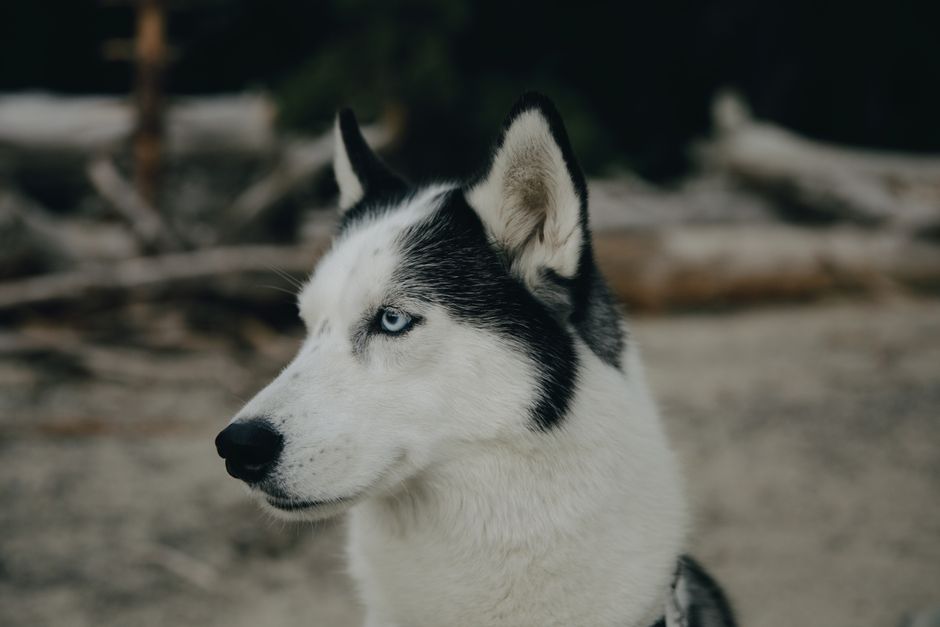
Huskies are known for their strong will and high energy. Common challenges include:
- Fear of restraint: Huskies dislike being held down or muzzled.
- Touch sensitivity: Some areas like paws, ears, and mouth may be sensitive.
- Vocalization: Huskies often howl or whine when stressed.
- Distraction: Their curious nature can make them uncooperative.
- Aggression: Fear can lead to defensive growling or snapping.
Understanding these challenges is the first step in addressing them through dedicated training.
Step-by-Step Guide to Vet Handling Training
Start Early and Socialize
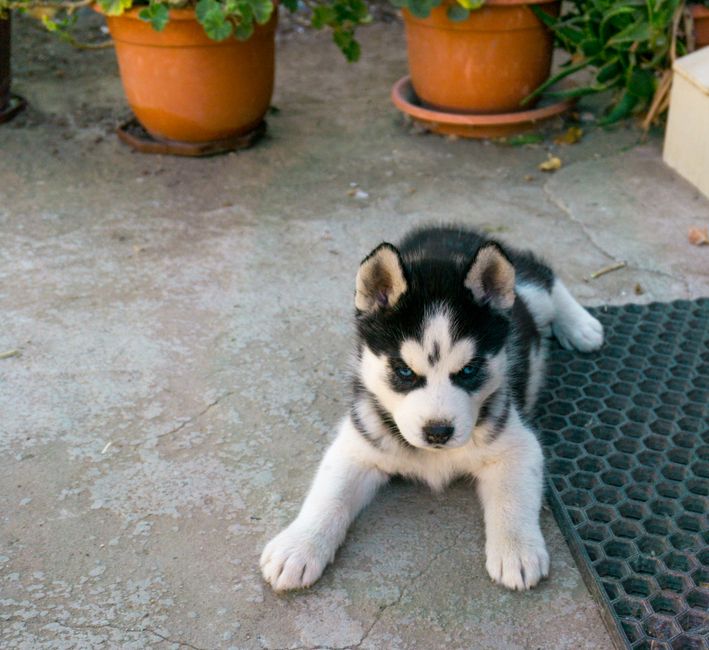
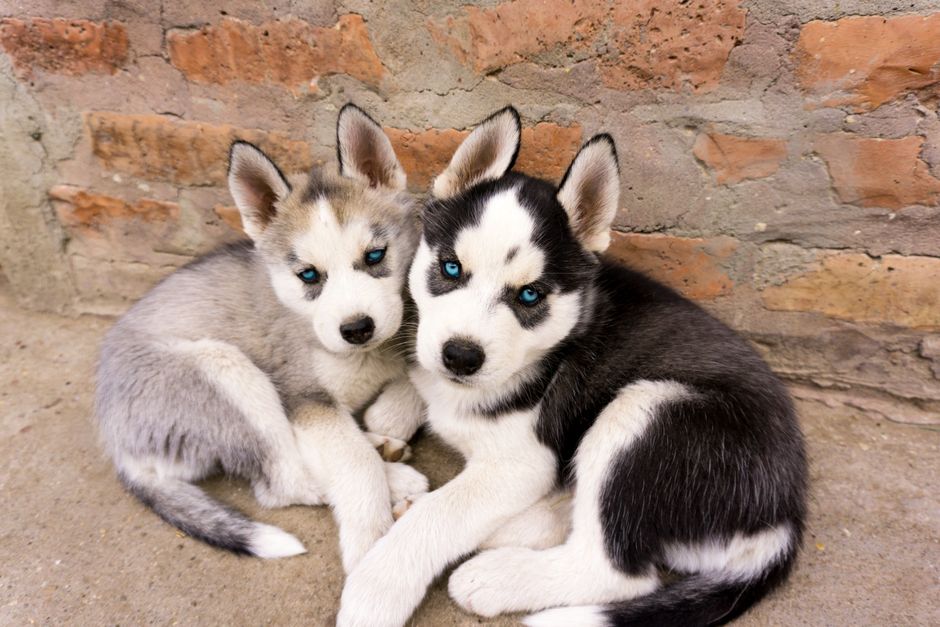
Begin training when your Husky is a puppy. Socialize them with different people, environments, and handling experiences. Take them to the vet's office for non-medical visits just to get treats and petting. This creates positive associations with the clinic.
Desensitization to Touch and Restraint
Gradually get your Husky used to being touched in sensitive areas. Start with gentle petting, then move to paws, ears, mouth, and tail. Use high-value rewards. Practice restraint by gently holding your dog in a standing or lying position, slowly increasing duration. Always pair with treats and praise.
Practice Veterinary Procedures at Home
Simulate exams: check ears, eyes, teeth, and take their temperature (use a thermometer without actually inserting). Handle paws and pretend to clip nails. If your Husky accepts the manipulation, reward immediately. This builds familiarity.
Positive Reinforcement and Counter-Conditioning
Use treats, toys, and verbal praise to reward calm behavior during handling. If your Husky shows fear, go slower and use counter-conditioning: pair the trigger (e.g., a vet's stethoscope) with something positive (a high-value treat). Over time, the fear response diminishes.
Advanced Techniques for Stubborn Huskies
For Huskies that are particularly resistant, consider these methods:
- Muzzle training: Introduce a basket muzzle gradually, letting your dog sniff it, then rewarding for putting their nose in. Eventually, fasten it for short periods.
- Table training: Many exams happen on a table. Practice having your Husky jump onto a sturdy raised surface at home and stand calmly for treats.
- Distraction techniques: Use a lick mat with peanut butter or a frozen treat during vet visits to keep them occupied.
- Professional help: Consider a certified dog trainer or behaviorist specializing in medical handling.
Preparing for the Vet Visit
Before the appointment, ensure your Husky is well-exercised to reduce excess energy. Bring their favorite treats and a familiar toy. Inform the vet and staff about your training efforts and any anxieties. Arrive a few minutes early to allow your dog to acclimate to the environment.
| Preparation Step | Purpose |
|---|---|
| Exercise before visit | Burns off energy, promotes calmness |
| Bring high-value treats | Reward calm behavior during exam |
| Use calming aids (e.g., pheromone spray) | Reduces stress |
| Practice waiting in the lobby | Desensitizes to clinic sounds and smells |
What to Do If Your Husky is Still Anxious
Even with training, some Huskies remain anxious. If your dog shows extreme fear or aggression, consult your veterinarian. They may recommend:
- Anti-anxiety medications: For temporary relief during visits.
- Mobile vet services: Some vets come to your home.
- Specialized fear-free clinics: Staff trained in low-stress handling.
- Behavioral modification therapy: Long-term solutions with a professional.
Remember, patience and consistency are vital. Every Husky is unique; adjust your approach to suit your dog's temperament.
By investing time in husky vet handling training, you are not only ensuring safer vet visits but also building trust and reducing stress for your furry companion. Start today and transform vet visits from a dreaded event into a manageable routine.