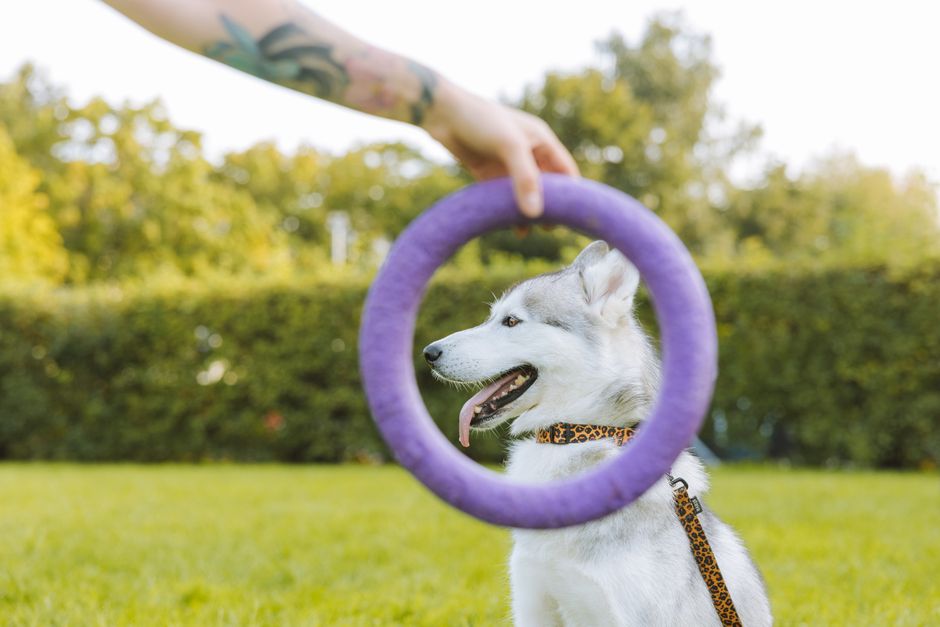
Why Hand Signal Training Works for Huskies
Siberian Huskies are intelligent, independent, and vocal dogs. While they can learn verbal commands, their tendency to tune out repetitive sounds makes hand signals an incredibly effective alternative. Hand signal training taps into their natural visual acuity and can enhance communication, especially in noisy environments or at a distance. Moreover, using hand signals alongside verbal cues can reinforce learning and provide a backup when your Husky is too focused on something else.
Benefits of Teaching Your Husky Hand Signals
- Better communication: Hand signals break through noise distractions.
- Strengthened bond: Training together builds trust and focus.
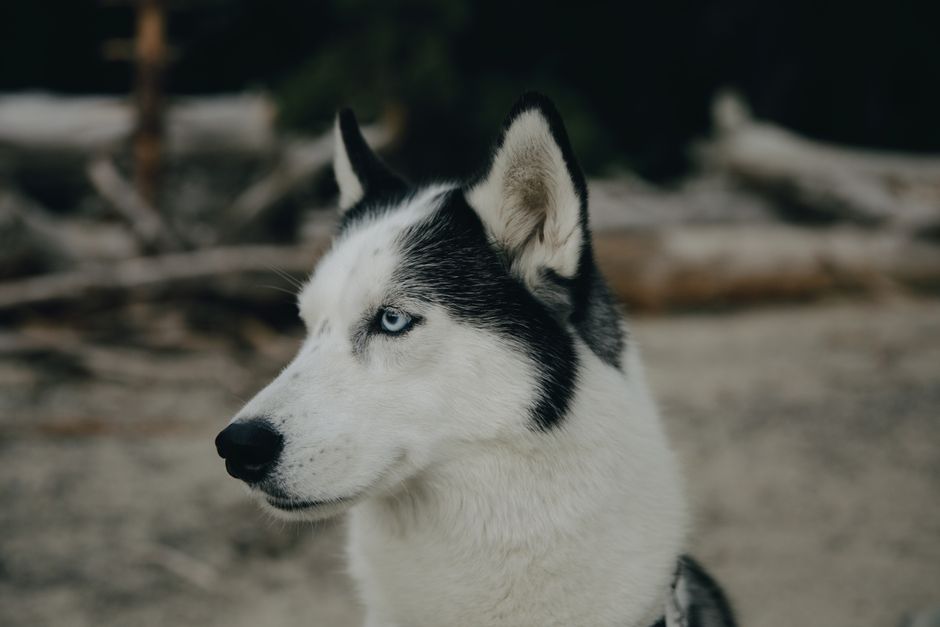
- Visual learning: Huskies respond well to visual cues due to their sled dog heritage.
- Safety: Silent commands can prevent accidents in dangerous situations.
- Mental stimulation: Learning new signals keeps your Husky’s mind sharp.

Basic Hand Signal Commands to Start
Before diving into training, choose clear, distinct hand gestures that differ from each other. Consistency is key. Start with these foundational commands:
Sit
Hold a treat in your hand, palm facing up, and raise it slightly above your Husky’s nose. Move your hand upward toward their forehead—they will naturally sit to follow the treat. As they sit, say “Sit” and give the treat. Eventually, just the hand motion (palm up, lifting) will trigger the sit.
Down
Start with your hand flat, palm facing down, and lower it toward the floor. Guide your Husky into a lying position by moving the treat down between their front paws. Use the signal (flat hand lowering) to cue the down.
Stay
Hold your hand out in front of you, palm facing the dog (like a stop sign). Back away slowly. If your Husky stays, return and reward. Practice increasing distance and duration.
Come
Open your arms wide or pat your thighs while giving the verbal “Come.” Over time, only the sweeping arm motion will be enough to call them.
Leave It
Close your fist (as if holding a treat) and present it to your Husky. When they stop sniffing or turning away, reward them with a treat from the other hand. The closed fist becomes the signal to ignore distractions.
Step-by-Step Training Process Using Positive Reinforcement
Follow these steps to train each hand signal effectively:
- Lure first: Use a treat to guide your Husky into the desired position. Pair the motion with a verbal command.
- Add the hand signal: Once your dog follows the lure reliably, show the hand signal just before the lure. Gradually phase out the treat by making the hand signal alone.
- Remove verbal cue: Once your Husky responds to the hand signal, stop saying the command. Test if they respond to the signal alone.
- Proof in different environments: Practice in various locations with distractions to solidify the response.
- Use high-value rewards: Especially for challenging commands like “Leave It” or “Come,” use treats your Husky finds irresistible.
Advanced Hand Signals and Tricks
Once your Husky masters the basics, you can move on to more complex cues:
| Command | Hand Signal Description |
|---|---|
| Spin | Make a circular motion with your finger in the air, then reward the spin. |
| High Five | Hold your hand up, palm facing your dog, and encourage them to paw it. |
| Roll Over | Use a sweeping hand motion from the dog’s shoulder to their back, guiding a roll. |
| Shake | Extend your hand as if to shake, palm sideways, and wait for your Husky to offer a paw. |
Advanced signals also include directional cues for agility or sledding, like pointing left or right for turns.
Common Mistakes and Troubleshooting
- Using signals that look alike: Ensure your gestures are distinct. For example, “Sit” (palm up) vs. “Stay” (palm out) should not be confused.
- Not being consistent: Use the same signal every time. Have all family members use identical gestures.
- Moving too quickly: Don’t rush the phases. Your Husky needs time to associate the signal with the action.
- Ignoring distractions: Train in a quiet space first, then gradually add distractions.
- Overusing treats: Once the behavior is reliable, replace food rewards with praise or play, but keep treats for proofing.
Conclusion
Hand signal training is a rewarding way to communicate with your Siberian Husky. It leverages their visual intelligence and can make training more effective in challenging conditions. Start with basic commands like sit and stay, use positive reinforcement, and gradually add advanced signals. With patience and consistency, you’ll strengthen your bond and enjoy a well-trained companion. Remember to keep sessions short and fun—your Husky will thrive on the mental challenge and the connection it creates.