Grooming a Siberian Husky is not just about keeping them clean—it's an essential part of their overall care that can strengthen your bond. However, many husky owners struggle with grooming because their dogs can be stubborn or fearful. That's where husky grooming training comes in. By combining basic obedience commands with positive reinforcement, you can teach your husky to cooperate during brushing, bathing, nail trims, and more. This guide covers everything you need to know to make grooming a stress-free, positive experience for both you and your furry friend.
Why Grooming Training Matters for Your Husky
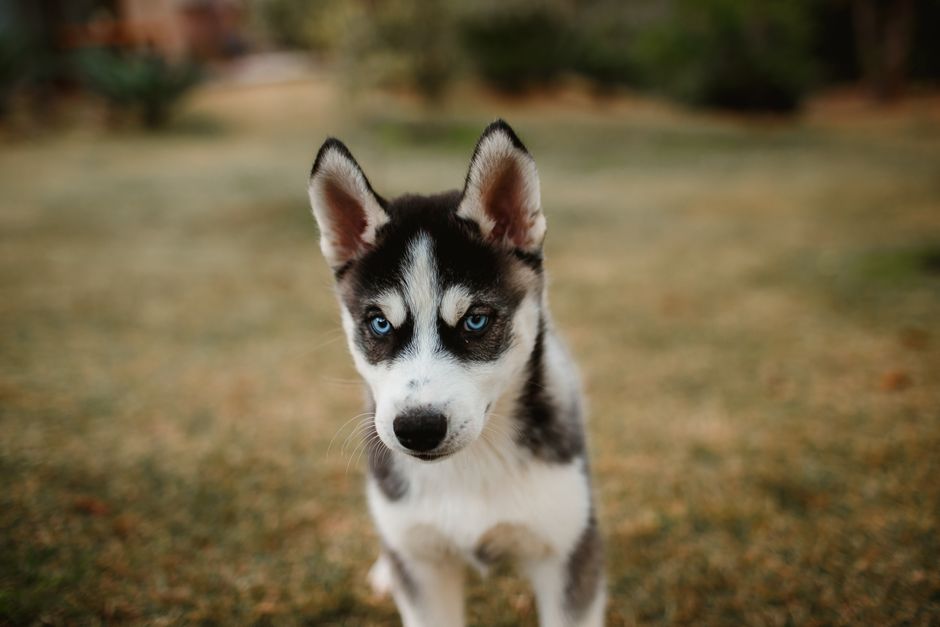
Siberian Huskies have a thick double coat that requires regular maintenance. Without proper training, grooming sessions can become a battle of wills. Training your husky to accept grooming not only prevents matting and skin issues but also reduces stress and anxiety. A well-trained husky will stand calmly, allow handling of paws and ears, and even enjoy the attention. Plus, it's safer for you—a squirming husky can accidentally scratch or bite.
Basic Commands to Teach Before Grooming
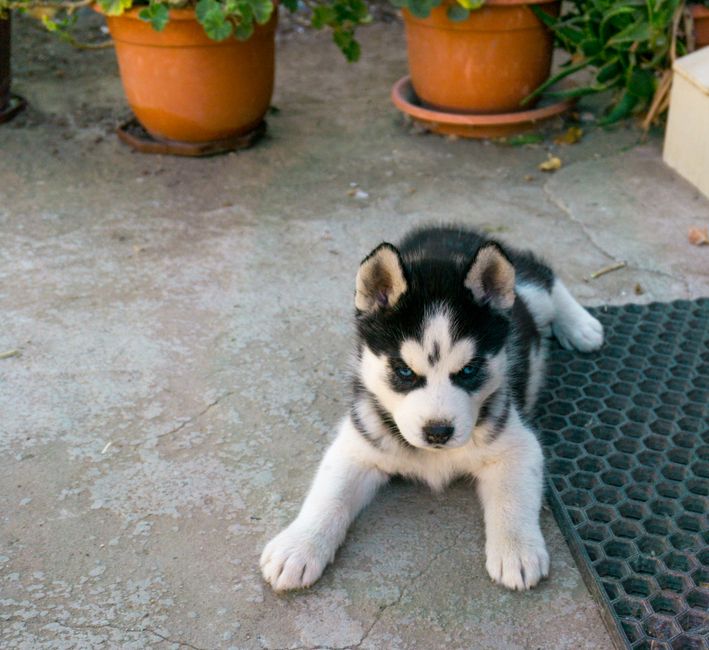
Before you start any grooming procedure, your husky should master a few foundational commands. These make the process smoother and safer.
- "Sit" and "Stay" – Teach your husky to sit and stay firmly in place. Use treats to reward calm behavior.
- "Down" – Useful for nail trims and ear cleaning when you need your dog lying down.
- "Leave it" – Prevents your husky from grabbing grooming tools or treats before you're ready.
- "Touch" – Gently touch your dog's paws, ears, and mouth while rewarding them. This desensitizes them to handling.
Practice these commands daily in short sessions (5-10 minutes). Once your husky reliably responds, you can incorporate them into grooming.
Step-by-Step Grooming Training Techniques
Brushing: The Foundation of Husky Grooming
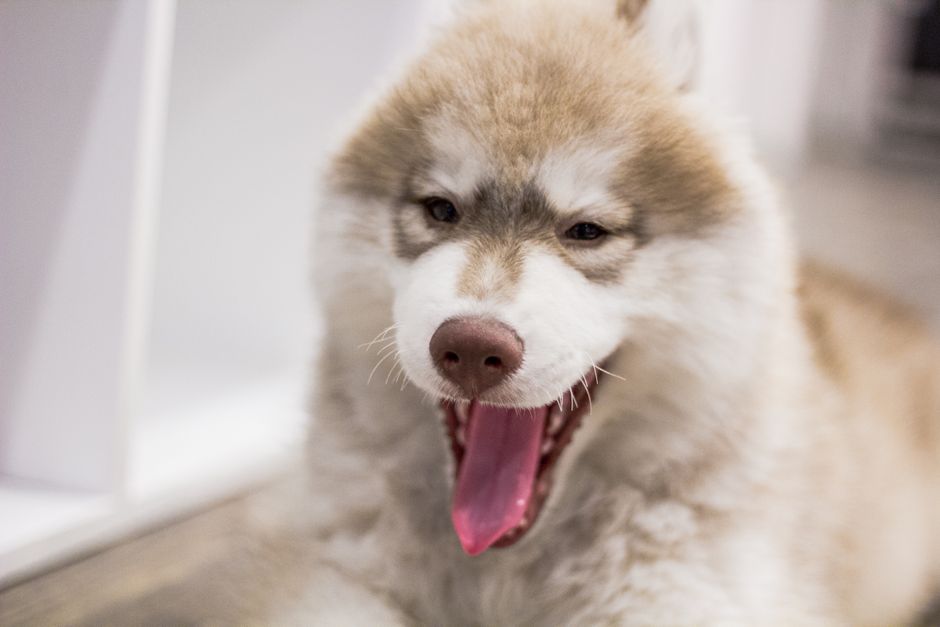
Brushing is a daily necessity during shedding seasons (spring and fall) and at least twice a week otherwise. Here's how to train your husky to accept brushing:
- Start with a soft brush or a grooming glove. Let your husky sniff it, then reward.
- Slowly brush one stroke along the back while saying "brush" and offering a treat. Gradually increase duration.
- If your husky tries to move away, stop and use a "sit" command. Do not chase them—grooming should not be a game.
- Work up to brushing the legs, belly, and tail, always pairing with praise and treats. Use a slicker brush for the undercoat and a pin brush for the topcoat.
Tip: Brush in the direction of hair growth and avoid pulling mats. Use detangling spray if needed.
Bathing: Making Water Fun
Huskies don't need frequent baths—every 2-3 months or when dirty. But they often dislike water. Train them gradually:
- Place a non-slip mat in the tub. Fill with lukewarm water (not too deep). Let your husky step in voluntarily, using treats.
- Use a handheld showerhead or cup to wet the coat slowly. Offer treats throughout.
- Apply dog shampoo (never human) and lather with gentle massage. Talk calmly.
- Rinse thoroughly—residue causes irritation. Towel dry first, then use a blow dryer on low, cool setting, rewarding for staying still.
Caution: Never force your husky into water. If they panic, go back to step one and build positive associations.
Nail Trimming: Patience Is Key
Many huskies hate paw handling. Desensitize them over several weeks:
- Touch each paw daily while saying "paw" and giving a treat.
- Hold the paw and gently press the pad to extend a nail. Reward.
- Introduce the nail clipper (or grinder) near the paw without cutting. Let your husky sniff it, then treat.
- Clip one nail per session, then increase. Use positive reinforcement: after a clip, give a high-value treat.
- If you hit the quick (blood vessel), use styptic powder and comfort your dog. End on a positive note.
Note: Grinders are quieter and less scary for some dogs. Introduce the sound gradually.
Ear Cleaning: Gentle and Rewarding
Check ears weekly for dirt or odor. To train:
- Let your husky see the ear cleaner and cotton ball. Reward for calmness.
- Gently lift the ear flap and apply a few drops of cleaner (or use a damp cotton ball). Massage the base, then wipe visible dirt.
- Never insert anything deep into the ear canal. Watch for signs of infection (redness, discharge).
- After cleaning, give a treat and praise.
Teeth Cleaning: Building a Routine
Dental health is often overlooked. Train your husky to accept tooth brushing:
- Let them taste dog toothpaste from your finger. Then rub a finger along the gums.
- Introduce a finger brush or soft toothbrush. Brush a few teeth, then treat.
- Gradually brush entire mouth. Focus on the outer surfaces (plaque builds there).
- Do this daily or at least 3 times a week.
Creating a Positive Grooming Experience
Grooming training should be a happy, bonding time. Follow these principles:
- Use high-value treats: Small pieces of chicken, cheese, or liver. Reserved only for grooming.
- Keep sessions short: 5-10 minutes for training, 15-20 for actual grooming.
- End on a good note: If your husky gets restless, stop before they become overwhelmed. Always reward cooperation.
- Stay calm: Your husky picks up on your emotions. If you're anxious, they will be too.
- Practice regularly: Consistency builds good habits.
Grooming Schedule for a Siberian Husky
| Grooming Task | Frequency | Duration |
|---|---|---|
| Brushing (non-shedding) | 2-3 times per week | 10-15 min |
| Brushing (shedding season) | Daily | 20-30 min |
| Bathing | Every 2-3 months | 30-45 min |
| Nail trimming | Every 3-4 weeks | 5-10 min |
| Ear cleaning | Weekly | 2-5 min |
| Teeth brushing | Daily or 3x/week | 2-3 min |
Common Challenges and Solutions
Even with training, you may face issues. Here's how to handle them:
- Dog tries to run away: Use a non-slip mat and have a helper. Do not chase; call them back with a happy tone.
- Growling or snapping: Stop immediately. You may have pushed too fast. Go back to desensitization and consult a professional trainer if aggression persists.
- Matted fur: Never cut mats with scissors (risk of cutting skin). Use a dematting tool or carefully brush out with conditioner. For severe mats, consider a professional groomer.
- Fear of blow dryer: Start with the dryer off, then turn on low and point away. Gradually bring it closer while rewarding.
Conclusion
Husky grooming training is an investment in your dog's well-being and your relationship. By teaching your Siberian Husky to cooperate with brushing, bathing, nail trims, and other care routines, you prevent common health issues and create a calm, trusting bond. Remember: patience, positive reinforcement, and consistency are your best tools. Start slow, celebrate small victories, and soon grooming will become a pleasant ritual for both of you. For more husky care tips, explore our other articles on training and health.