Bath training a Siberian Husky can be a daunting task for many owners. These intelligent, independent, and often stubborn dogs have a strong dislike for water that isn't snow or a puddle. However, with patience and positive reinforcement, you can turn bath time into a stress-free experience for both you and your husky. This comprehensive guide will walk you through every step of husky bath training, from preparation to drying, ensuring a clean and happy pup.
Why Husky Bath Training is Important
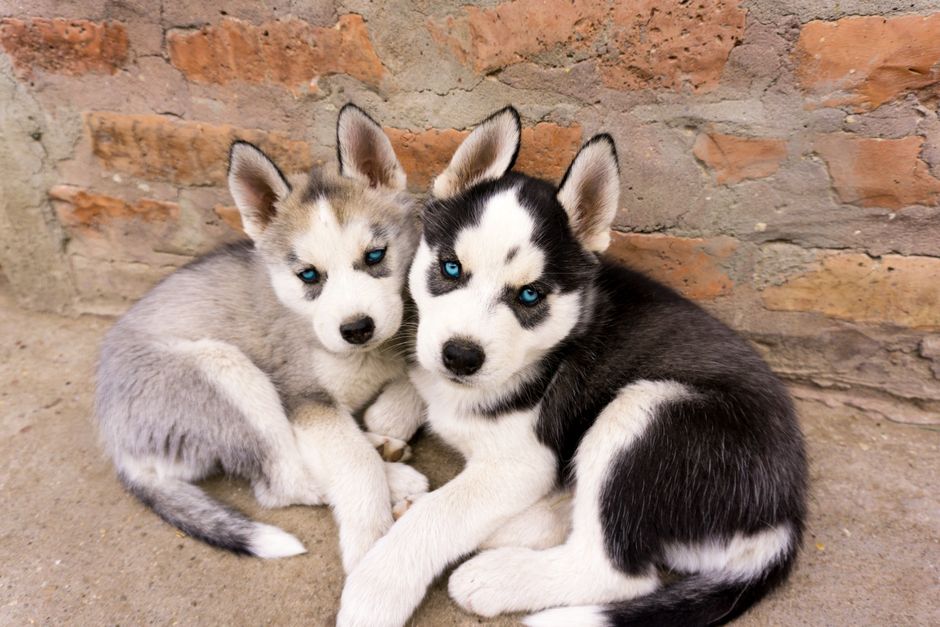
Huskies have a double coat that repels dirt and keeps them clean naturally. They are known for being fastidious groomers, often spending hours licking themselves. However, regular baths are still necessary for removing dead hair, dirt, and allergens, especially during shedding season. Proper bath training prevents anxiety, aggression, and escape attempts. It also makes grooming easier and strengthens the bond between you and your dog.
Preparing for the First Bath
Gather Supplies
- Dog-specific shampoo (avoid human products that strip natural oils)
- Conditioner (optional but recommended for double coats)
- Towels (microfiber works best)
- Non-slip mat for the tub or shower
- Brush or deshedding tool
- Treats (high-value, like chicken or cheese)
- Handheld showerhead or large cup for rinsing
- Cotton balls for ears (optional)
Choose the Right Location
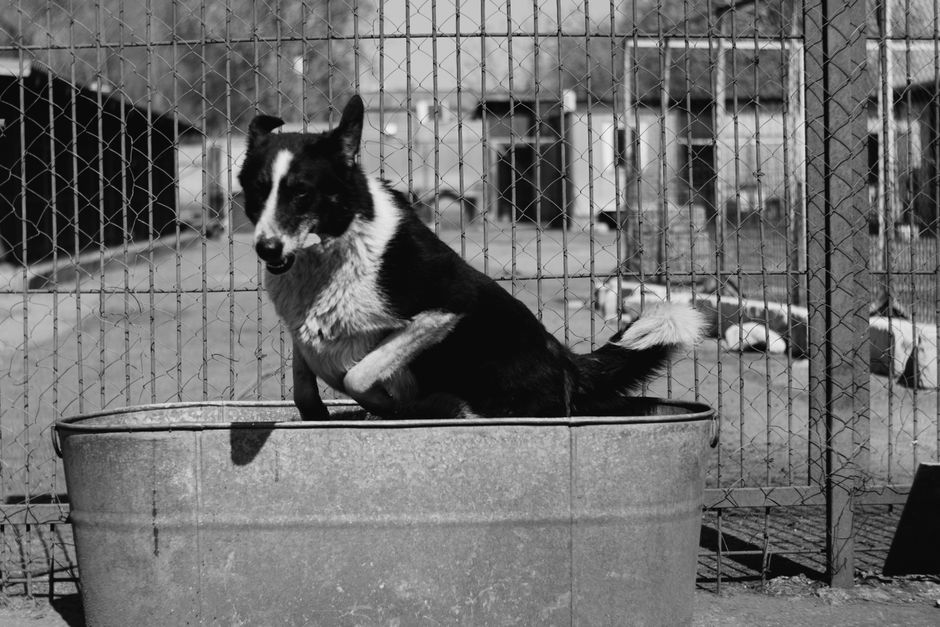
Select a place where your husky feels secure. A bathtub or a walk-in shower with a non-slip mat is ideal. Ensure the room is warm and free from drafts. For large huskies, an outdoor area with warm water may be an option, but indoor bathing is better for control and comfort.
Step-by-Step Husky Bath Training
Phase 1: Desensitization (Dry Runs)
Start weeks before the first bath. Bring your husky into the bathroom, let them sniff the tub, and give treats. Progress to having them step into an empty tub with a non-slip mat. Reward calm behavior. Then, introduce the sound of running water at a distance, rewarding calmness. Never force them.
Phase 2: Introducing Water Gradually
With your husky in the tub (no water yet), use a cup to pour a small amount of lukewarm water on their paws. Praise and treat. Over several sessions, work up to wetting their legs, then back, avoiding the head. Always use lukewarm water (not too hot or cold).
Phase 3: First Full Bath
Once your husky is comfortable with water on their body, it's time for a full bath. Place a non-slip mat in the tub. Wet the coat thoroughly, avoiding the ears and eyes. Apply shampoo, lathering from neck to tail. Use a gentle massage motion. Rinse thoroughly; leftover soap can cause skin irritation. Use a handheld showerhead for control. Keep the water pressure low. Speak in a calm, happy voice throughout.
Positive Reinforcement Techniques
Use a clicker or verbal marker like 'yes' to mark calm behavior. Give treats continuously during the bath, especially when your husky stands still. After the bath, immediately offer a high-value reward and playtime. Never use punishment; if your dog becomes scared, stop and try again another day. The goal is to associate bath time with positive experiences.
Common Challenges and Solutions
| Challenge | Solution |
|---|---|
| Husky tries to escape | Use a leash or have a helper gently hold the harness. Ensure the floor is non-slip. |
| Shaking off wet fur | Anticipate shakes and put a hand on their back to minimize. Use a towel to catch spray. |
| Fear of water sound | Desensitize gradually; start with a dripping faucet before using a showerhead. |
| Scratching the tub | Place a non-slip mat to reduce scratching. Trim nails beforehand. |
| Head-shy behavior | Wet the head last using a wet washcloth instead of pouring water. Avoid the ears. |
Bathing Frequency and Products for Huskies
Huskies generally require baths every 2-3 months, but may need more during heavy shedding or if they get dirty. Over-bathing strips natural oils. Use a gentle, oatmeal-based shampoo for sensitive skin. Avoid flea shampoos unless necessary. A conditioner can help reduce shedding and keep the coat soft. Always rinse thoroughly. Never use human shampoo; it's too harsh.
Post-Bath Care and Drying
After bathing, squeeze excess water from the coat. Use a high-velocity dryer on a cool setting to blow out loose undercoat. Avoid hot air; it can burn their skin. Alternatively, towel dry thoroughly and let them air dry in a warm room. Brush the coat gently while damp to prevent mats. Reward your husky with a treat and a favorite toy. Never let a wet husky outside in cold weather; they can get hypothermia.
Conclusion
Husky bath training requires patience, consistency, and positive reinforcement. By following this step-by-step guide, you can transform bath time from a struggle into a bonding experience. every husky is different; some may take weeks to adjust. Maintain a calm, confident demeanor, and soon your husky will tolerate (if not enjoy) bath time. A clean, well-groomed husky is a happy and healthy companion.