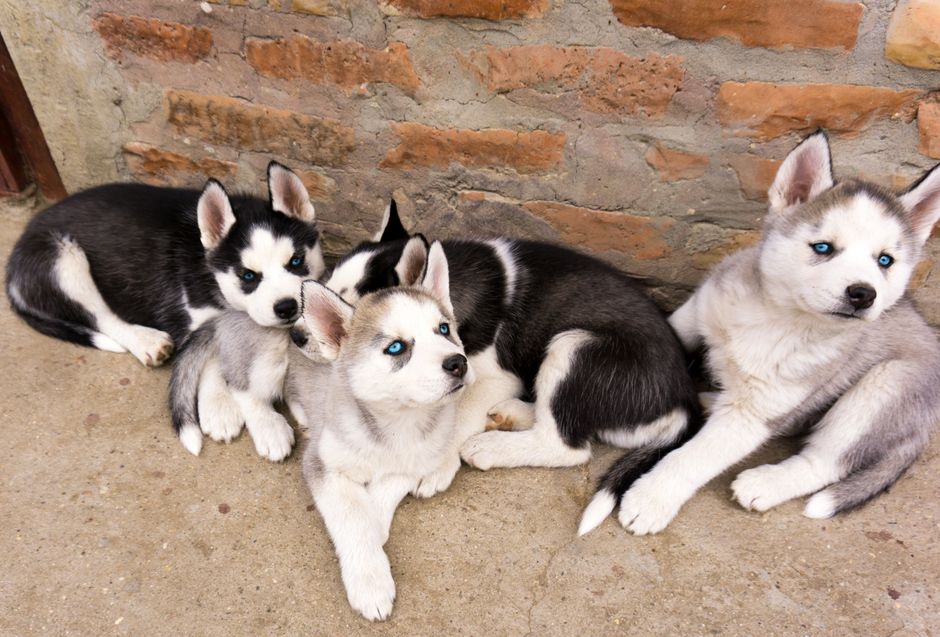
Why Socialization Is Crucial for Your Siberian Husky
Socialization is the process of exposing your Husky to various people, animals, environments, and experiences in a positive way. Without proper socialization, Huskies can become fearful, anxious, or aggressive. A well-socialized Husky is confident, friendly, and easier to manage. This guide covers everything you need to know to socialize your Husky effectively.
When to Start Socializing Your Husky
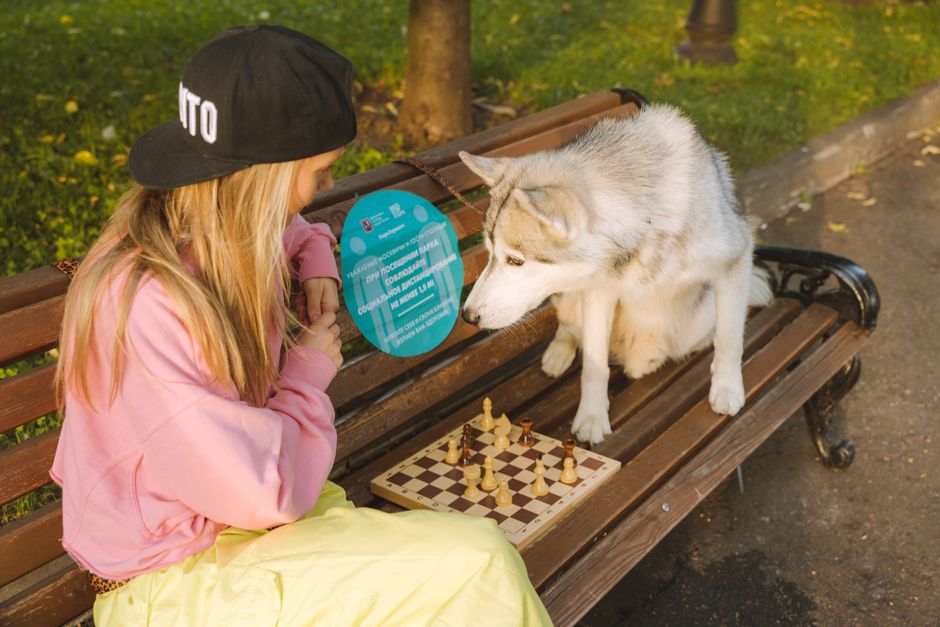
The critical socialization window for puppies is between 3 and 14 weeks of age. During this period, puppies are most receptive to new experiences. However, socialization should continue throughout your dog's life. For adult Huskies, positive exposure and desensitization can still yield great results.
Step-by-Step Guide to Socializing a Husky
1. Start Early with Puppy Socialization
Begin as soon as you bring your puppy home, but ensure they are up-to-date on vaccinations before exposing them to public places. Start with low-stress environments: invite calm, vaccinated dogs and friendly people to your home.
- Invite one or two calm people to sit quietly and offer treats.
- Introduce your puppy to a gentle, vaccinated adult dog in a neutral space.
- Use high-value rewards like small pieces of chicken or cheese.
2. Expose Your Husky to Different People
Huskies should meet men, women, children, people in hats, sunglasses, uniforms, and those using umbrellas or canes. Each interaction should be positive and short. Reward calm behavior.
- Ask visitors to ignore your puppy initially to avoid overwhelming.
- Gradually increase the duration of interactions.
- Use a calm voice and offer treats during introductions.
3. Socialize with Other Dogs
Puppy classes are excellent for controlled interactions. For adult Huskies, arrange playdates with well-matched dogs. Avoid dog parks until your Husky has solid recall and is not fearful.
- Choose dogs of similar size and play style.
- Supervise all interactions and intervene if play becomes rough.
- Practice calm greetings: ask dogs to approach each other in a curve, not head-on.
4. Introduce New Environments and Sounds
Take your Husky to different locations: busy streets, parks, pet stores, and friends' homes. Expose them to traffic, vacuum cleaners, doorbells, and other common noises. Use desensitization techniques, such as playing recordings at low volume and rewarding calmness.
- Start in quiet areas and gradually increase bustle.
- Carry high-value treats and praise for relaxed behavior.
- If your Husky shows fear, move to a safer distance and reward.
5. Handle and Grooming Socialization
Huskies need to be comfortable with handling: paws, ears, mouth, and tail. Gently touch these areas while offering treats. Practice brushing, nail trimming, and ear cleaning from a young age. Associate each procedure with positive experiences.
Common Socialization Mistakes to Avoid
- Flooding: Overwhelming your dog with too much too fast. Always go at your dog's pace.
- Negative experiences: Never force your Husky into a scary situation. One bad event can set back progress.
- Skipping human socialization: Husky often do well with dogs but can be wary of people. Include diverse human interactions.
- Neglecting puppy socialization: The early window is critical. Don't wait until your dog is older.
- Using punishment: Punishment increases fear. Use positive reinforcement only.
Socialization Checklist for Your Husky
| Experience | Example | Frequency |
|---|---|---|
| Meet new people | Men, women, children, people with hats | Weekly |
| Interact with other dogs | Calm, vaccinated dogs of all sizes | 2-3 times per week |
| Visit different locations | Pet stores, parks, cafes | Once per week |
| Exposure to sounds | Thunder, fireworks, traffic | Daily desensitization |
| Handling exercises | Paws, ears, mouth | Daily |
| New surfaces | Grass, concrete, tile, wood | As encountered |
Conclusion
Socializing a Husky requires patience, consistency, and positive reinforcement. Start early, go slowly, and celebrate small victories. A well-socialized Husky is a joy to be around and will thrive in various situations. If you encounter severe fear or aggression, consult a professional dog trainer or behaviorist. Use this guide to build your Husky's confidence and ensure a happy, balanced companion.