Understanding the Husky Mindset
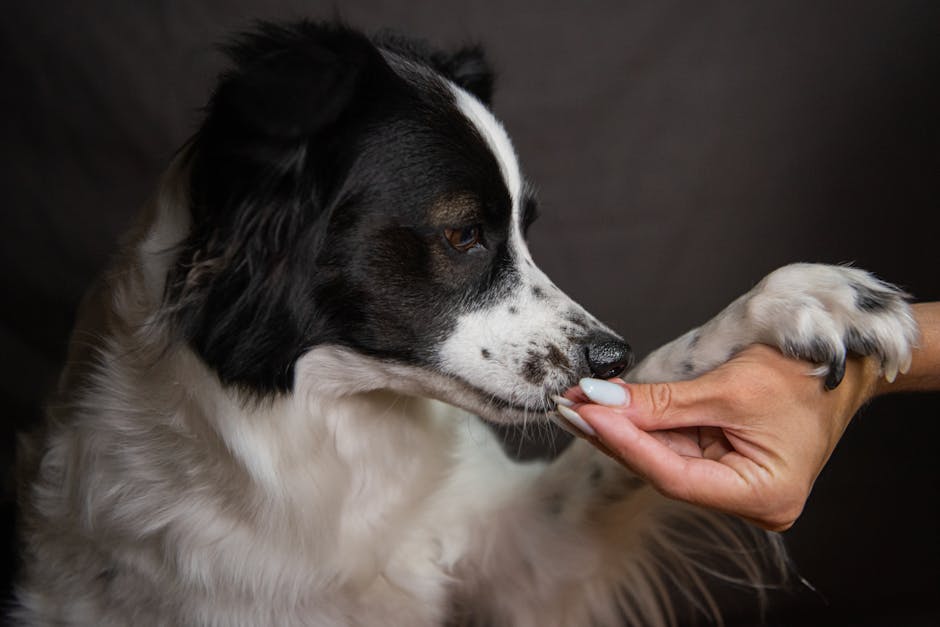
Before diving into training techniques, it's important for understand the unique temperament of Siberian Huskies. Bred for endurance and independence, they are intelligent, energetic, and can be stubborn. Traditional punishment-based methods often fail with this breed, as they can lead to fear, aggression, or simply ignoring you. Positive reinforcement, on the other hand, leverages their desire for rewards and builds a trusting bond. This approach aligns with their natural instincts and makes training a fun, cooperative experience.
Key Principles of Positive Reinforcement
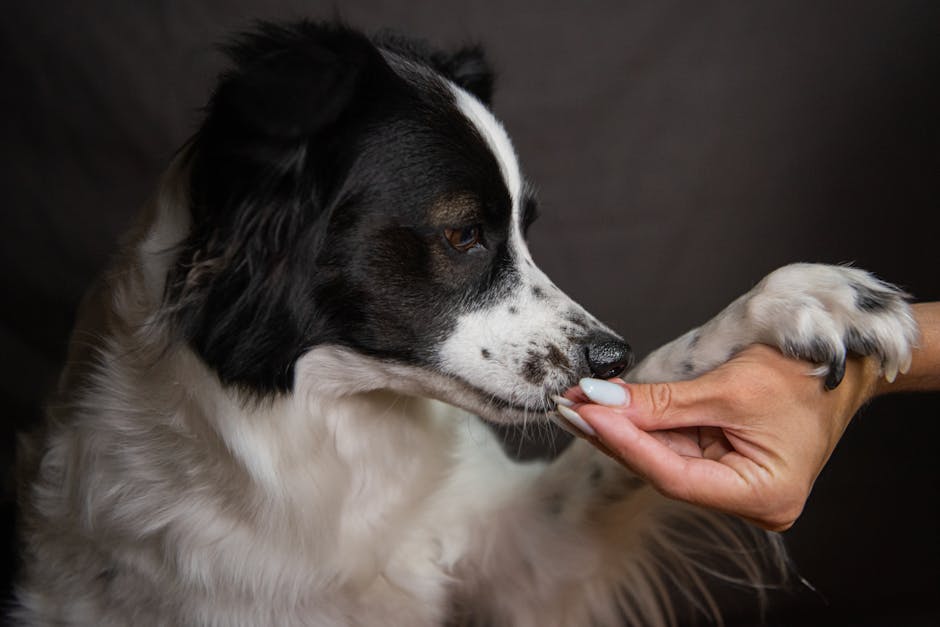
Positive reinforcement training is based on rewarding desired behaviors to increase their frequency. Here are the core principles:
- Immediate Reward: The treat or praise must follow the behavior within seconds to form a clear association.
- Consistency: Use the same cues and reward system every time to avoid confusion.
- High-Value Treats: Huskies are often food-motivated, but picky. Use soft, smelly treats like chicken, cheese, or freeze-dried liver. Rotate rewards to maintain interest.
- Clicker Training: A clicker marks the exact moment of a correct action, making timing precise. Pair the click with a treat immediately.
- Short Sessions: Huskies have short attention spans. Keep training to 5-10 minutes, 2-3 times daily.
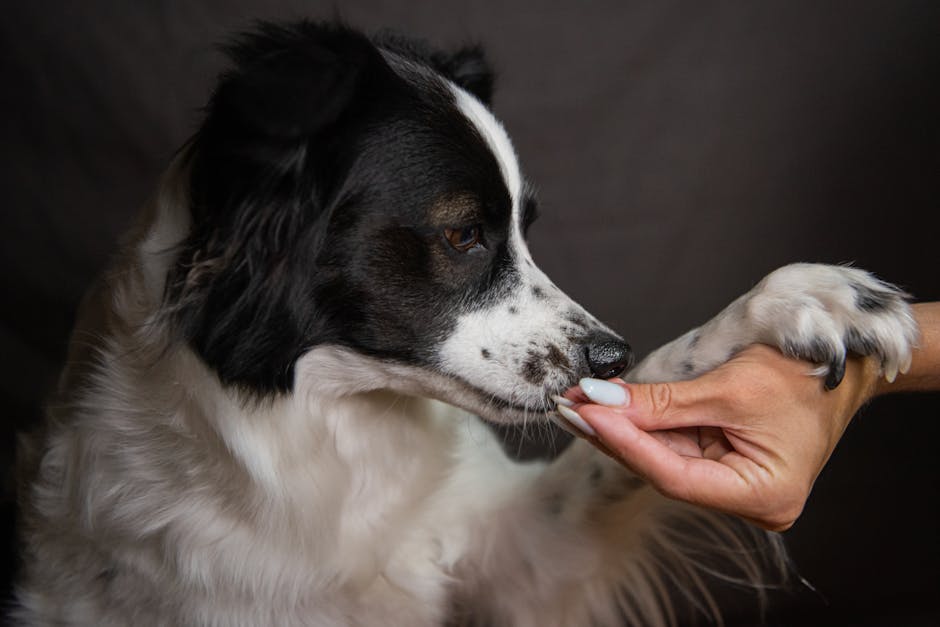
Essential Commands to Teach Your Husky
Sit
Hold a treat above your husky's nose, then move it back over their head. As their head goes up, their bottom lowers. Say "Sit" as they do, then reward. Repeat until they sit on cue without the lure.
Stay
Ask for a sit. Open your palm and say "Stay." Take one step back. If they stay, return and reward. Gradually increase distance and duration. If they break, say "Oops," reset, and try a shorter distance.
Come
Use a long leash in a safe area. Say your husky's name followed by "Come" in a happy tone. When they come, reward lavishly. Never call them for something negative (e.g., bath). Practice recalling them from distractions with higher-value rewards.
Leave It
Place a treat on the floor under your hand. Say "Leave it." As soon as they stop trying to get it, click and reward from your other hand. Gradually move your hand away. Then practice with the treat uncovered, then with items on walks.
Heel (Loose Leash Walking)
Huskies love to pull. Hold a treat at your side by your leg. Walk forward; if they stay near you without pulling, say "Yes" and treat. If they pull, stop and wait. Only move when the leash is loose. Use a front-clip harness for control.
Common Husky Behavior Problems and Solutions
Howling
Huskies howl to communicate. To reduce excessive howling, ensure they get enough exercise and mental stimulation. Reward quiet moments with a treat. Teach a "Quiet" command: when they howl, say "Quiet" and the moment they pause, reward. Gradually increase the quiet duration.
Digging
Digging is natural. Provide a designated digging pit with sand or soft soil. Bury toys and encourage digging there. If they dig elsewhere, interrupt calmly and redirect to the pit.
Escaping
Huskies are notorious escape artists. Ensure your yard is secure with high, buried fencing. Practice a rock-solid recall using positive reinforcement. Use GPS trackers for safety.
Pulling on Leash
In addition to loose-leash training, use a no-pull harness. Reward any glance back at you with a treat. Stop and turn the other way when they pull, teaching that pulling leads to stopping.
Advanced Training Techniques
Shaping
Break down a complex behavior into small steps. For example, to teach "spin," first reward any head turn, then a full circle. This taps into their problem-solving nature.
Capturing
Watch for natural behaviors you want to encourage. If your husky lies down on their own, say "Down" and reward. They learn the behavior name without luring.
Luring
Use a treat to guide your husky into position, then phase out the lure. Works well for tricks like "play dead" or "roll over."
Mental Stimulation Games
Incorporate puzzle toys, hide-and-seek games, and scent work. Huskies thrive on mental challenges, which prevent boredom and destructive behavior.
Training Schedule and Duration
| Age | Session Length | Frequency |
|---|---|---|
| Puppy (8-16 weeks) | 5 minutes | 3-5 times/day |
| Adolescent (4-12 months) | 10-15 minutes | 2-3 times/day |
| Adult (1+ year) | 15-20 minutes | 2 times/day |
Always end on a positive note. If your husky struggles, go back to an easier step to build confidence. Consistency is more important than session length.
Training Tools and Equipment
- High-Value Treats: Soft, smelly, and small (pea-sized). Rotate flavors.
- Clicker: A small device that makes a consistent sound for marking.
- Front-Clip Harness: Reduces pulling and gives you control without hurting your husky.
- Long Line: For recall practice in open areas (15-30 feet).
- Treat Pouch: Keeps treats accessible and hands free.
- Puzzle Toys: For mental enrichment between sessions.
Conclusion
Positive reinforcement training transforms your relationship with your Siberian Husky. By rewarding good behavior, you create a willing partner who looks to you for guidance. patience and consistency are key – every dog learns at their own pace. Celebrate small victories and keep training fun. With these techniques, you'll reach your husky's potential and enjoy a well-behaved, happy companion. Start today and experience the joy of a bond built on trust and respect.