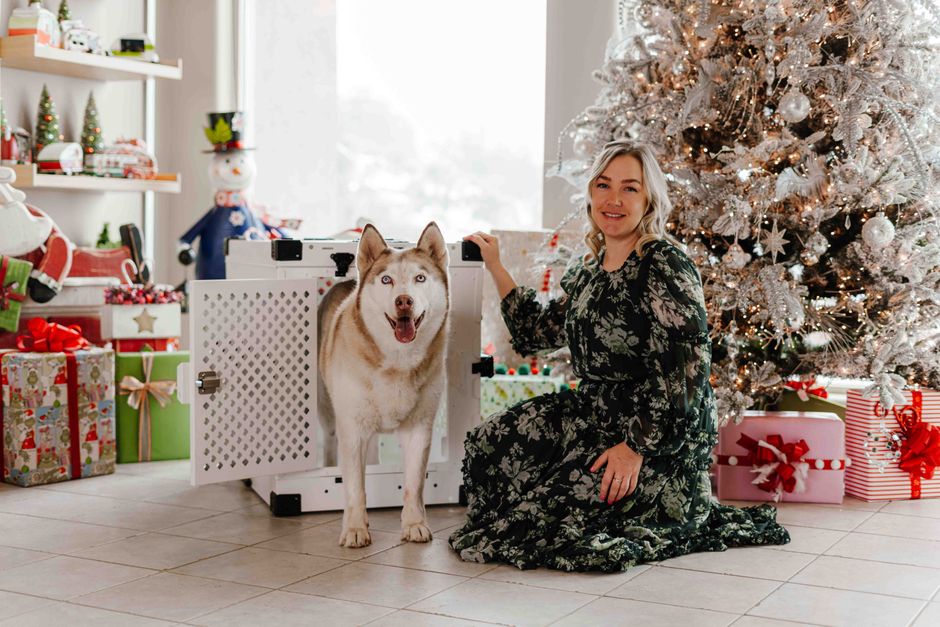
Why Crate Training is important for Your Husky
Crate training is one of the most effective methods for house training, providing a safe haven, and preventing destructive behavior in Siberian Huskies. Huskies are intelligent, energetic, and independent dogs that thrive on structure. A properly chosen crate becomes a den-like space where your Husky can relax and feel secure. Using the best crate for Husky training sets you up for success from day one.
Huskies are notorious escape artists; they can easily break out of flimsy crates. Therefore, durability and security are paramount. A crate that is too small will cause discomfort, while one too large may encourage soiling. The right crate matches your Husky's size, temperament, and training goals.
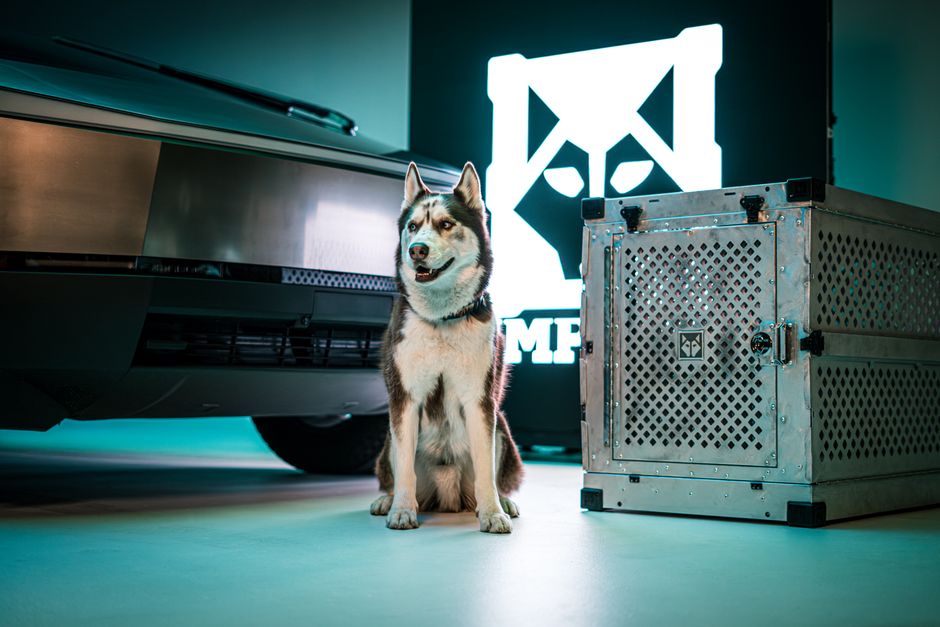
Key Features to Look for in a Husky Crate
When selecting a crate for your Husky, consider the following features:
- Size: Your Husky should be able to stand up, turn around, and lie down comfortably. For adult males, look for crates around 42 inches long; for females, 36-42 inches.
- Durability: Choose heavy-gauge wire or reinforced plastic. Huskies are strong and can bend weak metal or chew through plastic if anxious.
- Ventilation: Good airflow is crucial, especially in warm weather. Wire crates offer excellent ventilation; plastic crates should have multiple windows.
- Security: Look for double-locking doors or slide-bolt latches to prevent escapes. Some Huskies learn to open simple latches.
- Portability: If you travel, consider a lightweight foldable crate or a plastic airline-approved model.
- Ease of Cleaning: Removable pans or plastic trays make cleanup easier. Huskies shed heavily, so easy vacuum access is a plus.
- Divider Panel: important for puppies to adjust the living space as they grow, preventing accidents.
Top Types of Crates for Husky Training
Wire Crates
Wire crates are the most popular choice for Husky owners. They offer excellent ventilation, visibility, and fold flat for storage. The Midwest iCrate is a top-rated option with a divider panel, double doors, and sturdy construction. However, ensure the wire gauge is thick enough to resist bending.
Plastic Crates
Plastic crates (e.g., Petmate Sky Kennel) provide a darker, den-like environment that can calm anxious dogs. They are airline-approved and more insulated, but ventilation is less than wire crates. They are suitable for travel but may be chewed by determined Huskies.
Heavy-Duty Crates
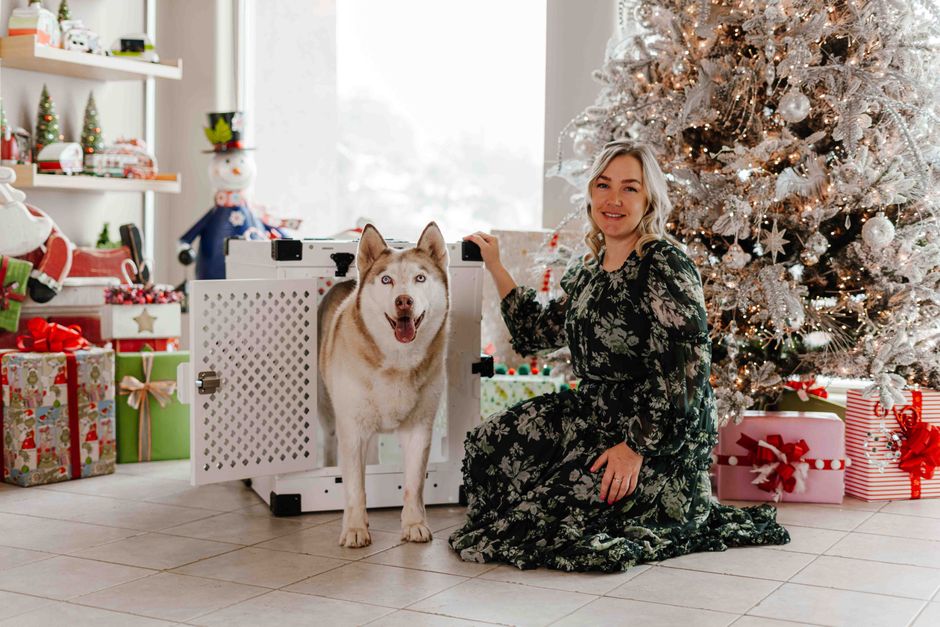
For escape artist Huskies, heavy-duty crates like the Impact High Anxiety or ProSelect are built with reinforced steel and tamper-proof locks. These are expensive but virtually indestructible. They are ideal for severe separation anxiety or very strong chewers.
Soft-Sided Crates
Soft-sided crates are not recommended for Huskies. They can easily be torn, chewed, and escaped. Use only for calm, well-trained adult dogs during travel and never for unsupervised training.
Best Crate Sizes for Huskies
Choosing the right size is critical. Use this size chart as a guide for adult Huskies:
| Dog Weight | Crate Length | Recommended Size (inches) |
|---|---|---|
| Under 40 lbs (female, smaller) | 36 inches | 36L x 24W x 28H |
| 40-55 lbs (average female/male) | 42 inches | 42L x 28W x 31H |
| 55-65 lbs (larger males) | 48 inches | 48L x 30W x 33H |
For puppies, buy a crate with a divider to adjust the space as they grow. A 42-inch crate with a divider is a great long-term investment.
Step-by-Step Crate Training Guide for Huskies
Follow these steps to crate train your Husky successfully:
- Introduce the crate positively: Place the crate in a common area with the door open. Toss treats and toys inside. Let your Husky explore at their own pace.
- Feed meals in the crate: Place the food bowl inside the crate, gradually moving it to the back. This builds a positive association.
- Close the door briefly: Once your Husky is comfortable eating inside, close the door for a few minutes while they eat. Gradually increase time.
- Practice short absences: Leave the room for 5-10 minutes while your Husky is in the crate. Return and reward calmly.
- Increase duration gradually: Build up to longer periods, always ensuring your Husky has had exercise and potty break before crating.
- Use a command word: Say “kennel” or “crate” when they enter, and reward.
- Never use the crate as punishment: The crate should be a safe space, not a place of fear.
Common Crate Training Mistakes to Avoid
- Using the wrong size: Too small = uncomfortable; too large = accidents.
- Leaving your Husky in the crate too long: Adult Huskies can hold it for 6-8 hours, but puppies need more frequent potty breaks.
- Forcing your Husky in: This creates fear and resistance. Go slowly.
- Ignoring separation anxiety: If your Husky howls or destroys the crate, address the anxiety with training, not by punishing.
- Skipping exercise before crating: A tired Husky is more likely to settle calmly.
Final Recommendations
For most Husky owners, a high-quality wire crate like the MidWest iCrate 42-inch with a divider panel is the best balance of durability, ventilation, and price. For travel or anxious dogs, the Petmate Sky Kennel works well. If your Husky is an escape artist, invest in a Impact High Anxiety Crate—it’s pricey but saves headaches.
Remember, the best crate for Husky training is one that fits your dog’s personality and your lifestyle. Pair the right crate with positive, consistent training, and your Husky will learn to love their den.