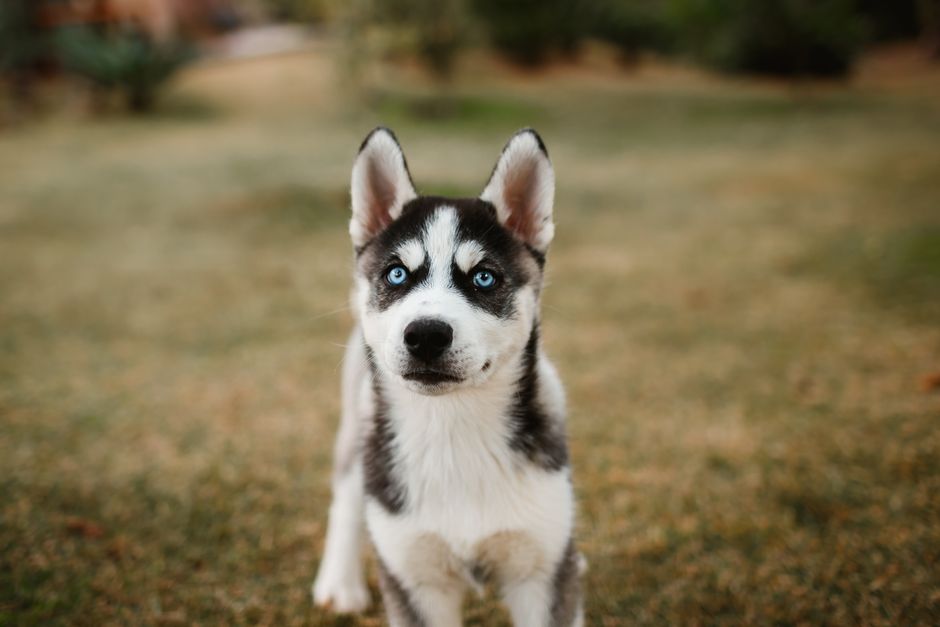
Why a Husky Puppy Weight Chart is Important
Tracking your Siberian Husky puppy's weight is one of the most reliable ways to ensure they are growing healthy and strong. A weight chart helps you identify potential issues early, such as underweight or overweight conditions, which can affect bone development and overall health. Huskies are a medium-to-large breed with a distinctive growth pattern, and understanding what's normal for your puppy's age and sex is crucial for proper care.
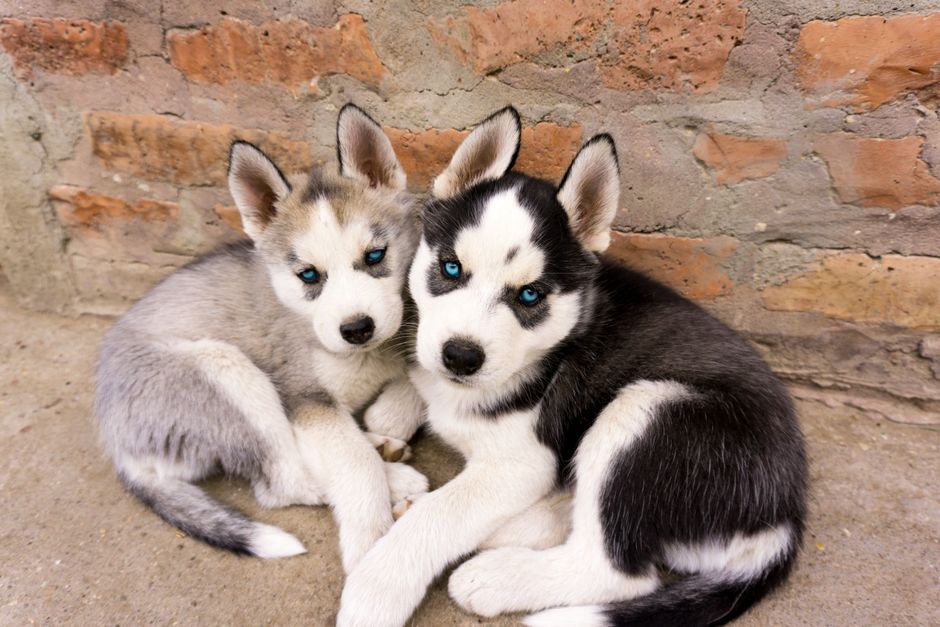
Average Husky Puppy Weight by Age
The following table provides average weight ranges for male and female Siberian Husky puppies from 2 to 12 months. Note that individual puppies may vary based on genetics, diet, and activity level.
| Age (months) | Male Weight (lbs) | Female Weight (lbs) |
|---|---|---|
| 2 | 10–15 | 8–12 |
| 3 | 20–30 | 15–25 |
| 4 | 25–35 | 20–30 |
| 5 | 30–40 | 25–35 |
| 6 | 35–45 | 30–40 |
| 7 | 40–50 | 35–45 |
| 8 | 45–55 | 40–50 |
| 9 | 50–60 | 45–55 |
| 10 | 55–65 | 50–60 |
| 11 | 55–70 | 50–65 |
| 12 | 60–75 | 55–70 |
These figures are guidelines. Your husky may be slightly above or below the range and still be perfectly healthy. Always consult your veterinarian for personalized advice.
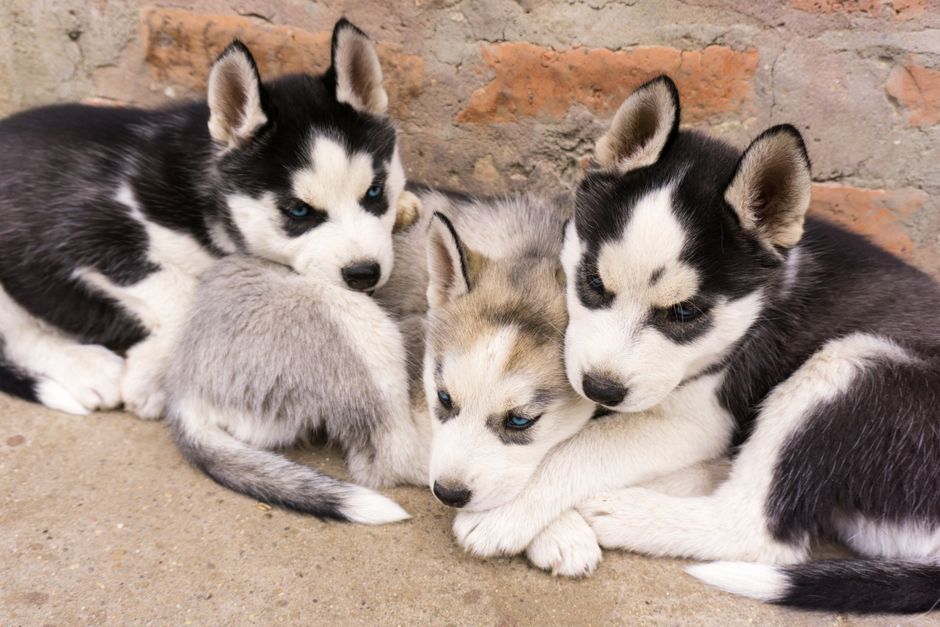
Factors Affecting Husky Puppy Growth
Several factors influence how quickly your husky puppy gains weight:
- Genetics: Puppies from larger parents tend to be heavier. Check the lineage if possible.
- Diet: A high-quality puppy food with appropriate protein (22–32%) and fat (8–15%) supports steady growth. Overfeeding can lead to obesity.
- Activity Level: Active puppies burn more calories; adjust portions accordingly.
- Health: Parasites, infections, or chronic conditions can stunt growth. Regular vet check-ups are essential.
- Neutering/Spaying: Early spay/neuter may affect growth plates and weight; discuss timing with your vet.
How to Use the Husky Puppy Weight Chart
Weigh your puppy weekly at the same time of day, using a digital scale. Place the puppy in a bowl or small crate to get an accurate reading. Record the weight and compare it to the chart. Also, assess body condition: you should be able to feel ribs without seeing them, and the puppy should have a visible waist from above. If your puppy consistently falls below the lower end, consider increasing food or consulting a vet. If above the upper end, reduce portions and ensure adequate exercise.
When to Worry About Your Husky Puppy's Weight
While growth charts are helpful, certain signs warrant veterinary attention:
- Loss of appetite or weight loss: Could indicate illness.
- Rapid weight gain without increased food: Possible fluid retention or metabolic disorder.
- Limping or reluctance to move: May be due to growth-related orthopedic issues like hip dysplasia.
- Persistent diarrhea or vomiting: Affects nutrient absorption.
- Failure to gain weight for two consecutive weeks: Requires evaluation.
Trust your instincts. If something feels off, a vet visit is always better than waiting.
Feeding Your Husky Puppy for Healthy Growth
Proper nutrition is the foundation of healthy weight gain. Follow these tips:
- Feed a high-quality puppy food formulated for large breeds (if your vet recommends). Look for DHA for brain development.
- Divide daily food into 3–4 meals until 6 months, then reduce to 2 meals.
- Use the feeding guide on the food package as a starting point, adjusting based on your puppy's condition.
- Avoid giving too many treats; they should make up no more than 10% of daily calories.
- Ensure fresh water is always available.
Remember, rapid growth can stress joints, so aim for a lean body condition rather than a heavy one. Regular exercise, like short walks and playtime, supports muscle development without overexertion.
Conclusion
Monitoring your husky puppy's weight using a chart is an excellent tool for ensuring they grow into a healthy adult. Combine it with regular vet visits, proper nutrition, and attentive care. Every puppy is unique, so use the chart as a guideline, not a strict rule. Enjoy this precious stage—your husky will be full-grown before you know it!
Recommended Products for Your Husky
As an Amazon Associate, we earn from qualifying purchases. Learn more.
- Puppy Starter Kit — Check price on Amazon
- Puppy Crate — Check price on Amazon
- Puppy Toys — Check price on Amazon
Frequently Asked Questions
How do I socialize a Husky puppy?
Expose them to sounds, surfaces, people, and calm dogs before 16 weeks. Positive experiences now prevent fear later.
What should I feed a Husky puppy?
A large-breed puppy formula with controlled calcium supports steady growth and lowers dysplasia risk.
When should I spay or neuter?
Many vets suggest 6–12 months for Huskies to protect joint and hormone development. Discuss timing with your vet.
Editor's Note
We've found puppy-proofing saves more than shoes—it saves vet bills. Locked cabinets, cord covers, sago palm removed. The households we set up right in week one never had the ingestion scares the others did.
Sources & Further Reading
HuskySpot researches each topic against recognized breed and veterinary authorities. The following organizations inform our content: