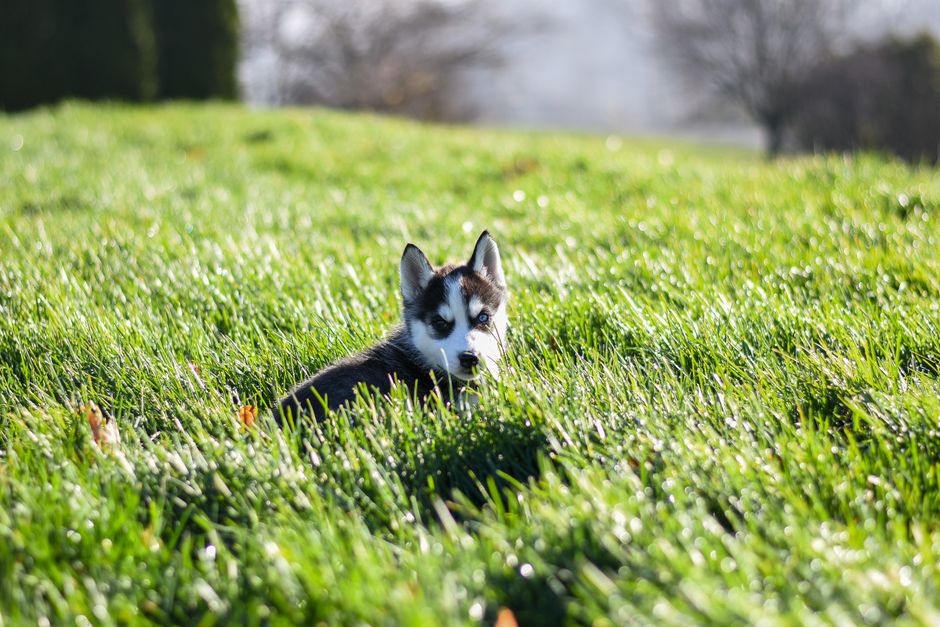
Understanding Why Your Husky Puppy Cries in the Crate
Crate crying is a common challenge for new Husky owners. These intelligent, pack-oriented dogs often vocalize to express discomfort, anxiety, or simply to test boundaries. It's crucial to distinguish between normal adjustment crying and signs of distress.
Instinctive Denning vs. Separation Anxiety
Huskies have a strong denning instinct—their wild ancestors used enclosed spaces for safety. However, domestication has made them highly social. When confined alone, especially as puppies, they may cry due to separation anxiety rather than rejecting the crate itself. Key differences: anxious crying is often accompanied by panting, drooling, or destructive attempts to escape, while adjustment crying is intermittent and stops when you're near.
Common Triggers
- Need to Potty: Puppies have small bladders. Crying often signals an urgent bathroom break.
- Boredom or Lack of Exercise: A tired Husky is less likely to cry. They need physical and mental stimulation.
- Hunger or Thirst: Ensure fresh water is available (attach a sipper bottle) and follow a feeding schedule.
- Temperature Discomfort: Huskies overheat easily; never crate in a hot room. Conversely, they tolerate cold well but need a cozy bed.
- Loneliness: Being alone in a crate can be frightening. Start with short sessions near you.
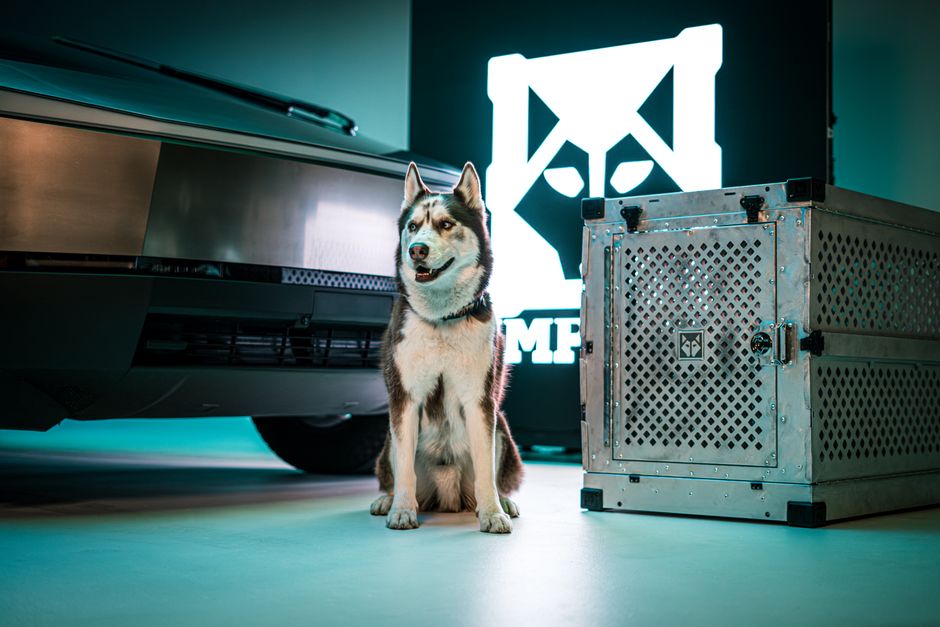
Preparing the Crate for Your Husky Puppy
Proper crate setup can drastically reduce crying. Invest in a sturdy, well-ventilated crate (wire or plastic). Size matters: it should be large enough for the puppy to stand, turn, and lie down, but not so large that they can eliminate in one corner and sleep in another. Use a divider to adjust space as they grow.
Bedding and Comfort
Use washable, chew-proof bedding. Avoid fluffy blankets that can be ingested. A soft mat or towel with your scent (sleep with it first) can soothe. Place the crate in a quiet, low-traffic area but where the puppy can still see family members during the day.
Positive Associations
Make the crate inviting. Feed meals inside, toss treats, and play near it. Use a cue like “kennel up” and reward calm entry. Never use the crate for punishment. Covering the crate with a light blanket can create a cozy den, but ensure airflow.
Step-by-Step Crate Training to Minimize Crying
Patience and consistency are vital. Rushing leads to setbacks. Follow this structured approach:
Gradual Introduction
Days 1-2: Leave the crate door open and place treats, toys, and meals inside. Let the puppy explore at will. Reward any voluntary entry.
Days 3-4: Once comfortable, close the door for a few seconds while they eat, then open. Gradually increase duration. Stay nearby and speak calmly.
Days 5-7: Practice short absences. Close the door, step away for 1-2 minutes, then return and reward silence. If crying starts, wait for a pause (even one second) before opening the door. Never let them out while crying; it reinforces the behavior.
Creating a Routine
Puppies thrive on schedule. Crate naps after play and potty breaks. Use a consistent bedtime routine: last potty, calm play, then crate. Avoid exciting activities right before crating. A stuffed Kong or safe chew toy can keep them occupied.
Nighttime Crying
First few nights will be tough. Place the crate in your bedroom or nearby so they hear you. If they cry, ignore it for a few minutes—if it escalates, take them out quietly for a potty break (no play), then back in. Over several nights, gradually move the crate to its permanent spot.
Practical Tips for Dealing with Crying at Night
Nighttime crying is often due to the need for elimination or loneliness. A structured approach prevents bad habits.
Potty Breaks
Take your puppy out immediately before bed and once in the middle of the night (set an alarm). As they grow, extend the interval. Use a specific phrase like “go potty” to associate. After elimination, return to crate calmly without praise or play.
Comfort Items
A Snuggle Puppy (a toy with a heartbeat and heat pack) can mimic littermates. Alternatively, a ticking clock wrapped in a towel may soothe. Ensure nothing is a choking hazard.
What NOT to Do When Your Husky Cries in the Crate
Avoid common mistakes that worsen crying:
- Never scold or punish – This increases anxiety and associates the crate with fear.
- Do not let your puppy out while crying – This teaches them that crying works. Wait for a quiet moment.
- Avoid excessive sympathy – Comforting a crying puppy can reinforce the behavior. Stay calm and neutral.
- Don't keep the puppy in the crate too long – General rule: months of age + 1 hour max (e.g., 3 months = 4 hours).
- Never use the crate as timeout – It should be a safe haven, not a punishment cell.
Common Crate Crying Issues and Solutions
| Issue | Symptom | Solution |
|---|---|---|
| Separation Anxiety | Intense, persistent crying, destructive behavior, drooling | Consult a trainer; practice very short departures; use calming aids like pheromone spray. |
| Boredom | Whining, digging, chewing at door | Increase daily exercise and mental enrichment (puzzle toys, training). Rotate toys in crate. |
| Need to potty | Sudden onset crying, circling, scratching | Immediate potty break; adjust feeding/water schedule; ensure crate not too big. |
| Fear of confinement | Hiding, trembling, refusal to enter | Go back to basics: positive reinforcement, keep door open, feed meals inside. Never force. |
When to Seek Professional Help
If your Husky's crying persists beyond two weeks of consistent training, or if it's accompanied by destructive behaviors like breaking out of the crate, consult a certified dog trainer or veterinary behaviorist. Some Huskies have high anxiety that requires behavior modification or, in rare cases, medication. Additionally, rule out medical issues like urinary tract infections that may cause frequent potty needs.
Remember, crate training is a marathon, not a sprint. With patience, your Husky will learn to see their crate as a comfortable den. Consistency, positive reinforcement, and meeting their needs will turn crying into quiet contentment.
Recommended Products for Your Husky
As an Amazon Associate, we earn from qualifying purchases. Learn more.
- Heavy-Duty Dog Crate — Check price on Amazon
- Collapsible Wire Crate — Check price on Amazon
- Divider Panel Crate — Check price on Amazon
Frequently Asked Questions
How do I housebreak a Husky puppy?
Take them out every hour, after meals, and on waking; reward immediately. Crate overnight so they won't soil their den.
When can Husky puppies leave their mother?
Not before 8 weeks — earlier weaning harms socialization. Many breeders hold to 10–12 weeks for stability.
How much sleep does a Husky puppy need?
Up to 18–20 hours a day. Over-tired puppies bite and crash; enforce naps in the crate.
Editor's Note
Our team's teething survival tip is low-tech: frozen washcloths. We've handed them to dozens of owners and the puppies chew the cloth, not the furniture. Redirect, don't scold—they're not being bad, they're in pain.
Sources & Further Reading
HuskySpot researches each topic against recognized breed and veterinary authorities. The following organizations inform our content: