Welcoming a Siberian Husky puppy into your home is an exciting journey. Those fluffy bundles of energy grow quickly, leaving many owners wondering, "When do huskies stop growing?" Understanding the growth timeline of your Husky is crucial for providing the right nutrition, exercise, and care at each stage. This comprehensive guide covers everything from puppy growth stages to full maturity, including a detailed growth chart and practical tips.
Understanding Husky Growth Stages
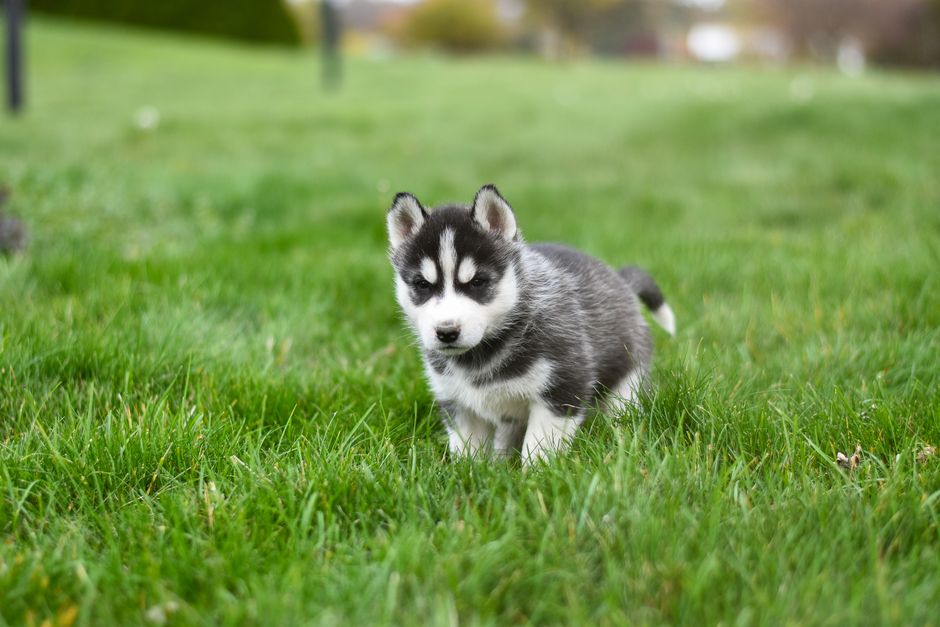
Siberian Huskies go through distinct growth phases, each with unique needs. The main stages include:
- Newborn (0-2 weeks): Rapid weight gain, eyes and ears open.
- Transitional (2-4 weeks): Starting to walk, first teeth erupt.
- Socialization (4-12 weeks): Rapid growth, critical for learning.
- Juvenile (3-6 months): Fastest growth, teething, exploring.
- Adolescent (6-18 months): Growth slows, filling out, sexual maturity.
- Adult (18-24 months): Full height and weight achieved, mentally mature.
Huskies are considered adults when their growth plates have closed, usually by 18-24 months. However, mental maturity can take up to 2-3 years.
Average Growth Timeline for Siberian Huskies
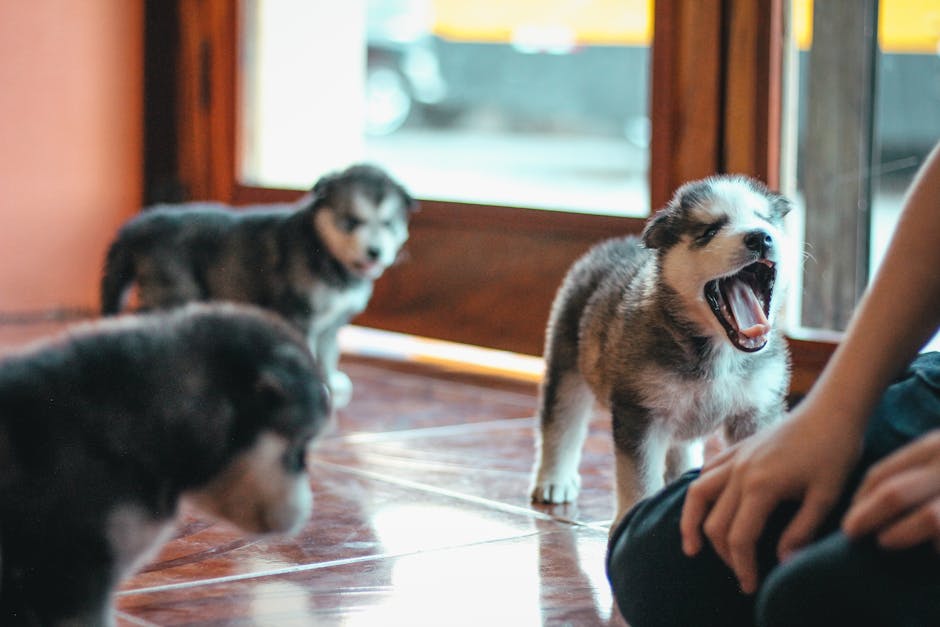
Below is a typical growth chart for a healthy male and female Husky. Keep in mind that individual dogs may vary due to genetics and diet.
| Age | Weight (Male) | Weight (Female) | Height (Male) | Height (Female) |
|---|---|---|---|---|
| 8 weeks | 10-15 lbs | 8-12 lbs | 10-12 in | 9-11 in |
| 3 months | 20-30 lbs | 15-25 lbs | 14-16 in | 12-14 in |
| 6 months | 35-45 lbs | 30-40 lbs | 18-20 in | 16-18 in |
| 9 months | 40-50 lbs | 35-45 lbs | 20-22 in | 18-20 in |
| 12 months | 45-55 lbs | 40-50 lbs | 21-23 in | 19-21 in |
| 18 months | 50-60 lbs | 45-55 lbs | 22-24 in | 20-22 in |
| 24 months | 50-60 lbs | 45-55 lbs | 22-24 in | 20-22 in |
Most Huskies reach their full height by 12-18 months, but they continue to fill out with muscle and body mass until around 2 years. The fastest growth occurs between 3 and 6 months, so ensure proper nutrition during this period.
Male vs Female Growth Differences
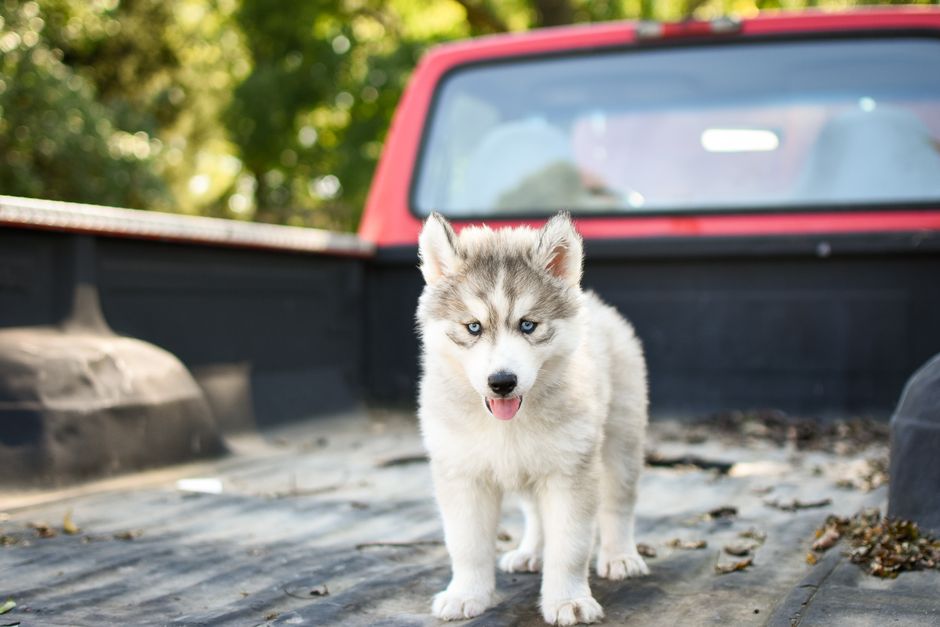
Males and females have noticeable differences in growth. Males are larger and heavier, often growing for a longer period. Females typically stop growing earlier, reaching their final size by 12-15 months, while males may continue to bulk up until 18-24 months. On average, males weigh 45-60 pounds and stand 21-24 inches tall, while females weigh 35-50 pounds and stand 20-22 inches tall.
Factors Affecting Growth Rate
Genetics
Your Husky's final size is largely determined by its parents and lineage. A puppy from a larger bloodline may grow bigger and slower.
Nutrition
High-quality puppy food with balanced protein, fat, and calcium is essential. Overfeeding can lead to obesity and joint issues, while underfeeding stunts growth. Consult your vet for portion control.
Neutering/Spaying
Early neutering may delay growth plate closure, causing bones to grow longer than normal. Many vets recommend waiting until 12-18 months for large breeds like Huskies to allow proper development.
Health and Exercise
Parasites, illnesses, or inadequate exercise can impact growth. Regular vet checkups and moderate exercise (avoid high-impact activities before growth plates close) support healthy development.
How to Tell If Your Husky Has Stopped Growing
Watch for these signs:
- Height stability: Measure at the withers (shoulder blades) monthly. When height remains unchanged for 3-4 months, growth is finished.
- Weight plateau: Weight will stabilize after reaching maturity. However, adults may gain or lose weight from diet and activity.
- Body proportion: The chest, legs, and head will look in proportion. Puppies often look gangly or lanky.
- Vet confirmation: Your veterinarian can x-ray growth plates to determine if they've closed.
Common Growth Concerns
Overweight vs Underweight
Huskies should have a visible waist and you should be able to feel their ribs lightly. Overfeeding can cause obesity and stress on developing joints. Underweight puppies may need a higher calorie diet or deworming.
Growth Plate Closure
Growth plates are soft areas at the end of long bones. For Huskies, these typically close between 12-18 months (females earlier, males later). Avoid vigorous exercise like long runs or jumping until plates close to prevent injury.
Tips for Supporting Healthy Growth
- Feed a balanced diet: Choose large-breed puppy formula with DHA for brain development. Follow feeding guidelines.
- Regular vet visits: Vaccinations, deworming, and growth monitoring.
- Moderate exercise: Short walks, playtime, mental stimulation. Avoid forced running or stair climbing.
- Grooming: Huskies have double coats; brush regularly to avoid matting.
- Socialization: Expose to different environments to build confidence.
When to Expect Full Maturity
While physical growth stops around 2 years, mental maturity often takes longer. Your Husky may still have puppy-like energy and stubbornness until 3-4 years. Consistent training and patience are key. Expect full emotional maturity around 2-3 years.
, most Siberian Huskies stop growing in height at 12-18 months and reach full physical maturity by 2 years of age. However, every dog is unique. By providing proper nutrition, veterinary care, and a safe environment, you can help your Husky grow into a healthy, happy adult. Remember, those rapid puppy days are fleeting—enjoy every moment of your Husky’s journey to adulthood!
Recommended Products for Your Husky
As an Amazon Associate, we earn from qualifying purchases. Learn more.
- Husky Care Essentials — Check price on Amazon
- Best-Selling Dog Gear — Check price on Amazon
- Newest Husky Products — Check price on Amazon
Frequently Asked Questions
How much sleep does a Husky puppy need?
Up to 18–20 hours a day. Over-tired puppies bite and crash; enforce naps in the crate.
When should vaccinations start?
The first round is usually at 6–8 weeks, then boosters every 3–4 weeks until 16 weeks. Avoid dog parks until complete.
How do I socialize a Husky puppy?
Expose them to sounds, surfaces, people, and calm dogs before 16 weeks. Positive experiences now prevent fear later.
Editor's Note
In our experience the four-month fear period blindsides owners. A puppy who loved the vacuum suddenly trembles. We tell clients: don't force it, let them approach. Pushing through it cemented the fear in two cases we handled.
Sources & Further Reading
HuskySpot researches each topic against recognized breed and veterinary authorities. The following organizations inform our content: