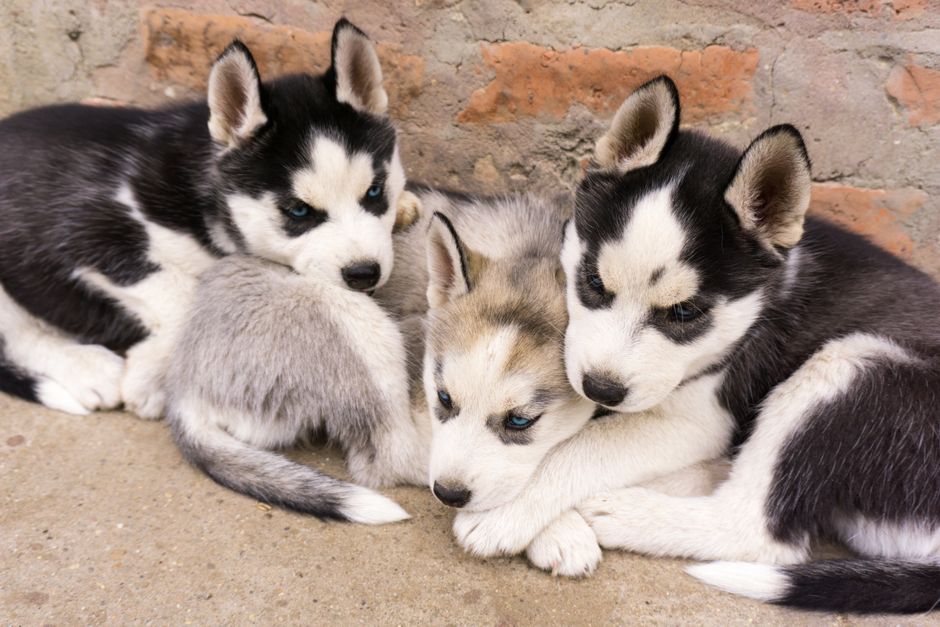
Understanding Husky Puppy Growth: A Comprehensive Timeline
Husky puppies experience rapid growth in their first year, transforming from tiny bundles of fluff into strong, athletic dogs. Knowing how fast husky puppies grow helps you provide the right nutrition, exercise, and veterinary care at each stage. This guide covers monthly milestones, growth charts, and essential tips for supporting healthy development.
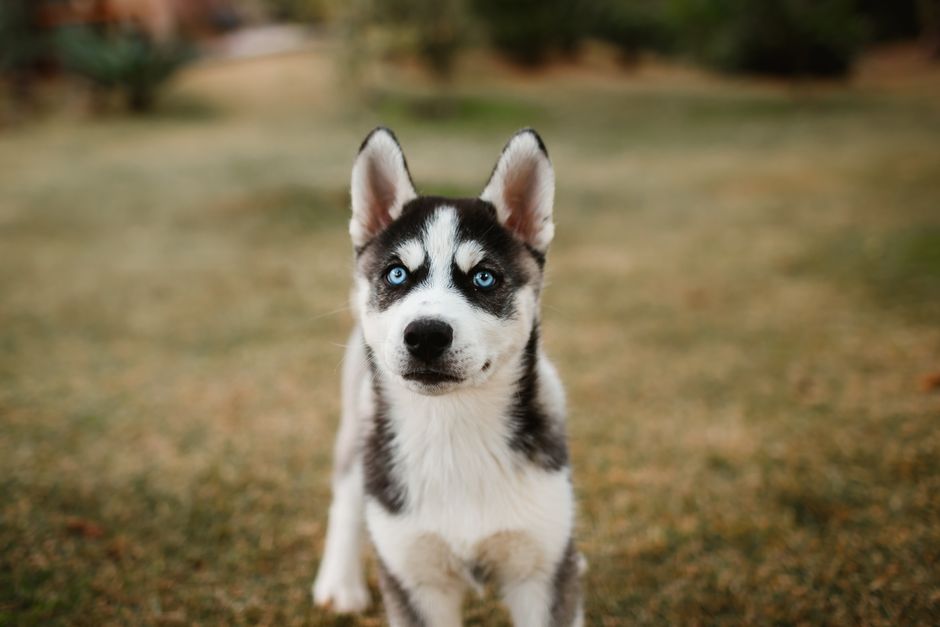
Husky Puppy Growth Overview: From Birth to Adulthood
A Siberian Husky's growth journey spans about 12 to 18 months, with the most dramatic changes occurring in the first six months. On average, a newborn husky weighs about 0.5–1 pound. By eight weeks, they typically reach 10–15 pounds. Full adult weight ranges from 35–60 pounds (females) and 45–60 pounds (males), with heights of 20–23.5 inches. The growth rate slows after six months, but bone maturity continues up to 18–24 months.
| Age | Weight Range (lbs) | Height Range (inches) | Developmental Milestones |
|---|---|---|---|
| 0–2 months | 0.5–15 | — | Eyes open, weaning, first vaccinations |
| 3 months | 15–25 | 11–14 | Baby teeth erupt, house training begins |
| 4 months | 20–35 | 14–17 | Rapid growth spurt, loss of puppy fat |
| 5 months | 25–40 | 16–19 | Losing baby teeth, more coordinated |
| 6 months | 30–45 | 18–21 | Adolescent phase, chewing peaks |
| 7–9 months | 35–50 | 19–22 | Height growth slows, muscle develops |
| 10–12 months | 40–55 | 20–23 | Approaching adult size, sexual maturity |
| 12–18 months | 45–60 (male), 35–50 (female) | 21–23.5 | Fill out chest, reach final height |
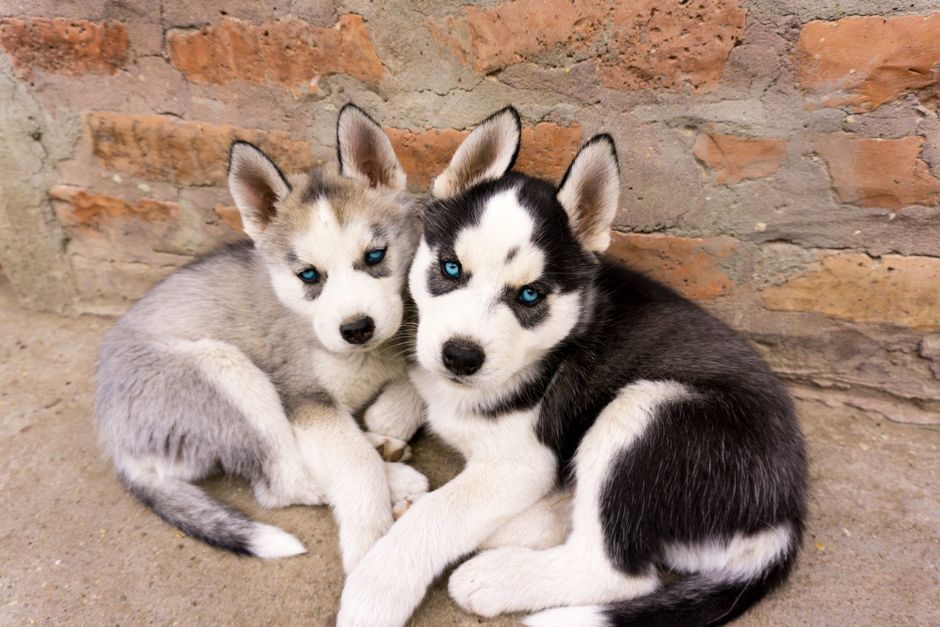
Key Factors That Influence How Fast Husky Puppies Grow
Genetics and Bloodline
Your puppy's growth is largely determined by its parents and ancestors. Working-line huskies may be leaner and lighter, while show lines can be heavier. Breeders can give you an idea of expected adult size.
Nutrition and Diet
A balanced, high-quality puppy food with appropriate protein (22–32%) and fat (12–20%) supports steady growth. Overfeeding can cause rapid growth, leading to joint issues. Avoid supplements unless recommended by your vet.
Health and Veterinary Care
Regular vet check-ups ensure your puppy is growing on track. Parasites, illnesses, or digestive problems can stunt growth. Stay current on deworming and vaccinations.
Exercise and Activity
Proper exercise builds strong bones and muscles, but too much high-impact activity on hard surfaces can damage growth plates. Limit forced exercise like running or jumping until your husky is at least 12 months old.
The Rapid Growth Phase: 3 to 6 Months
Between 3 and 6 months, husky puppies grow the fastest. They can gain up to 5 pounds per week and increase in height significantly. This is when they lose their fluffy baby coat and develop adult features. During this phase, feed your puppy three meals a day to avoid overloading the stomach. Provide safe chew toys to soothe teething pain and redirect chewing from furniture.
Tips for the Rapid Growth Stage
- Monitor weight weekly to ensure steady, not excessive, gain.
- Transition to two meals a day at around 6 months.
- Avoid letting your puppy jump on and off furniture to protect joints.
- Start basic obedience training—mental stimulation supports overall development.
Adolescence: 6 to 12 Months
Growth slows down after six months. Your husky may look almost full-sized but still has filling out to do. This is a challenging phase as hormones kick in; they may test boundaries and have selective hearing. Continue structured training and provide plenty of exercise. Spay or neuter after growth plates close (usually around 12–18 months) to avoid affecting joint health.
When Do Siberian Huskies Reach Their Full Size?
Most huskies reach their full height by 12 months, but they continue to gain muscle and fill out their chest until about 18 months. Some males may even develop until 2 years. Weight stabilizes by 18–24 months. To estimate adult size, you can double your puppy's weight at 4 months or use a growth predictor formula: Adult Weight = (Weight at 16 weeks × 52) / age in weeks. each puppy is unique.
Tips for Supporting Healthy Growth
Feed a Balanced Diet
Choose a puppy food designed for large breeds to manage growth rate. Divide daily portion into 2–3 meals. Avoid over-treating—treats should make up no more than 10% of calories.
Regular Vet Visits
Your vet will weigh your puppy and perform fecal exams to check for parasites. They can also advise on flea and tick prevention and joint health supplements if needed.
Appropriate Exercise
Short walks, play sessions, and mental games are ideal. Avoid repetitive running on pavement until your husky is at least 12 months old. Swimming is a low-impact activity that builds muscle.
Monitor for Warning Signs
Lethargy, limping, loss of appetite, or asymmetrical growth may indicate health issues. Consult your vet promptly.
Common Growth Concerns in Husky Puppies
- Hip dysplasia: A genetic condition aggravated by rapid growth. Keep your puppy lean and avoid excessive high-impact exercise.
- Obesity: Overfeeding can lead to weight gain that stresses growing joints. Use a body condition score to adjust portions.
- Pano (Growing Pains): A temporary lameness in large breed puppies. It usually resolves on its own with rest.
- Fragile growth plates: Until they close (around 12–18 months), avoid forced jumping or intense running.
Frequently Asked Questions About Husky Puppy Growth
How can I predict my husky puppy's adult size?
Use the formula: (Weight at 16 weeks in lbs × 52) / 16 = approximate adult weight in lbs. Also, consider the parents' sizes.
Why is my husky puppy growing slower than expected?
Check for parasites, poor nutrition, or underlying health problems. A vet can rule out issues. Some puppies are just late bloomers.
When do husky puppies stop growing taller?
Most reach their full height by 12 months, but some may grow slightly taller up to 24 months. Weight and muscle mass continue to develop after height stops.
Conclusion
Understanding how fast husky puppies grow helps you provide optimal care during each stage. From the rapid growth spurt at 3–6 months to the slower fill-out phase, your role is to support, not force, development. With proper nutrition, moderate exercise, and regular vet check-ups, your husky will grow into a healthy, happy adult. Embrace the journey—it's over before you know it!
Recommended Products for Your Husky
As an Amazon Associate, we earn from qualifying purchases. Learn more.
- Husky Care Essentials — Check price on Amazon
- Best-Selling Dog Gear — Check price on Amazon
- Newest Husky Products — Check price on Amazon
Editor's Note
We've raised enough husky puppies to respect the eight-to-twelve-week window above everything else. The owners who pushed a hundred new experiences in those weeks have the confident adults; the ones who waited got the fearful ones.
Sources & Further Reading
HuskySpot researches each topic against recognized breed and veterinary authorities. The following organizations inform our content: