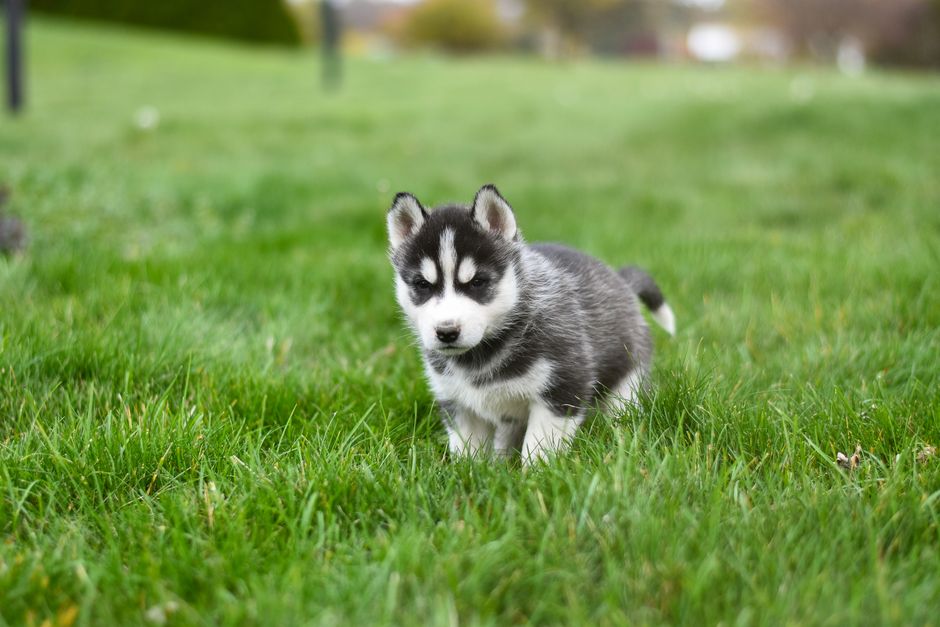
Understanding Your Husky Puppy’s Bladder and Instincts
Before diving into the housebreaking process, it’s important to understand your Siberian Husky puppy’s physical and behavioral needs. Husky puppies have small bladders and limited control—typically they can hold it for one hour for every month of age (e.g., a 2-month-old can wait about 2 hours). They also have a strong instinct to keep their sleeping area clean, which makes crate training highly effective. However, Huskies are intelligent and can be stubborn, so patience and consistency are key. Common signs that your puppy needs to go out include sniffing the ground, circling, whining, or suddenly stopping play. Learn these cues to prevent accidents.
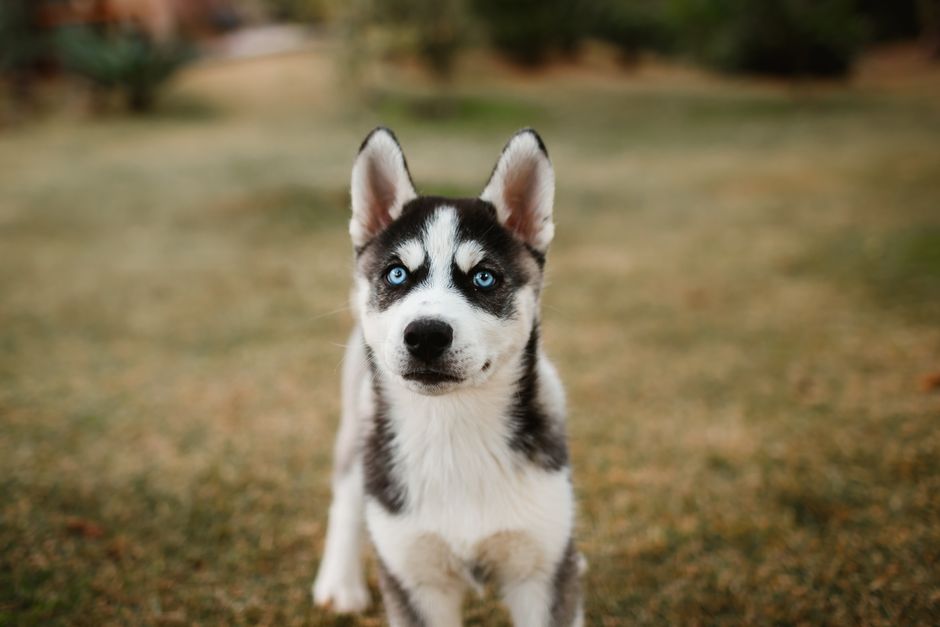
Preparation: What You’ll Need
Gather these supplies before starting:
- Crate: A properly sized crate (large enough for the puppy to stand, turn around, and lie down, but not so big that they can soil one corner and sleep in another).
- Puppy pads/indoor potty: Optional for high-rise dwellers or as a backup, but ideally you’ll teach outdoor elimination.
- High-value treats: Small, soft treats your puppy loves (e.g., boiled chicken, cheese).
- Enzymatic cleaner: To completely remove urine odor and discourage remarking.
- Leash and collar for taking your puppy to the designated potty spot.
Setting a Schedule
Consistency is the cornerstone of housebreaking. Create a daily routine based on your puppy’s age. For an 8-week-old, the schedule might look like this:
| Time | Activity |
|---|---|
| 6:30 AM | Immediate potty break |
| 7:00 AM | Breakfast and water |
| 7:15 AM | Potty break again |
| 7:30–9:00 AM | Playtime and supervised freedom |
| 9:00 AM | Crate time with a puzzle toy |
| 11:00 AM | Potty break |
| … | Repeat every 2–3 hours |
Take your puppy out first thing in the morning, after every meal, after naps, after play, and before bedtime. Stick to the same feeding times to predict elimination needs.
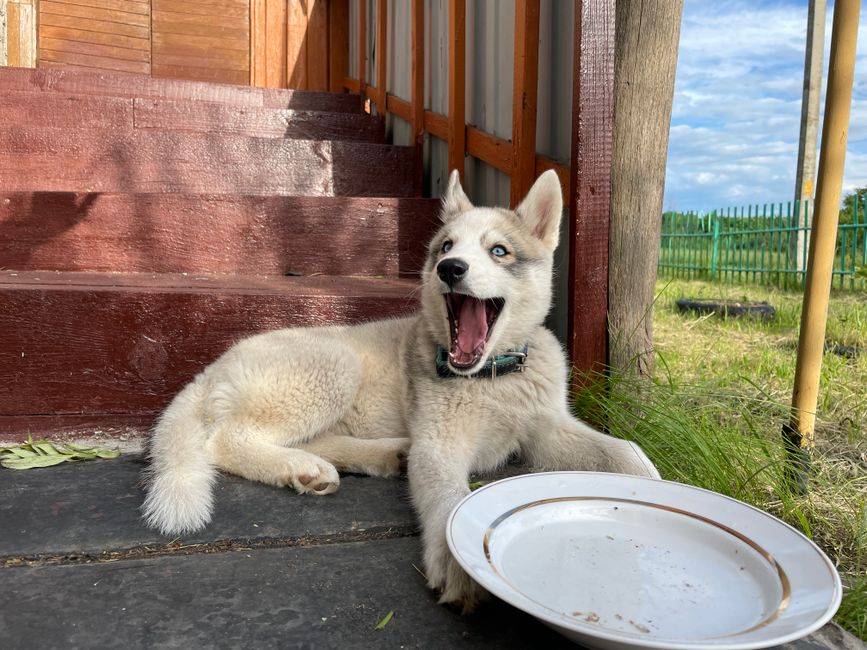
The Step-by-Step Housebreaking Process
Step 1: Crate Training
Introduce the crate as a positive space. Leave the door open, toss treats inside, and feed meals in the crate. Once your puppy is comfortable, start closing the door for short periods while you’re home. Never use the crate as punishment. At night, place the crate in your bedroom so you can hear your puppy whine to go out. Most puppies can sleep through the night by 3–4 months if you take them out once overnight.
Step 2: Establish a Potty Spot
Choose a specific outdoor area (e.g., a patch of grass in your yard) and always bring your puppy there on a leash. Use a command like “Go potty” while they eliminate, then reward with treats and praise immediately. This builds an association between the cue and the action.
Step 3: Supervise and Confine
When your puppy is not in the crate, supervise them constantly. Use a leash attached to your waist or close doors to limit access to other rooms. Watch for signs—if they start sniffing, immediately take them outside. If you can’t supervise, return them to the crate.
Step 4: Positive Reinforcement
Reward your puppy every time they eliminate in the correct spot. Use a happy voice and offer a treat within seconds. Avoid punishing accidents—that can cause fear and submissive urination. Instead, interrupt with a clap and take them outside, then clean the mess thoroughly.
Step 5: Handling Accidents
Accidents are normal. Never rub your puppy’s nose in it or yell. Clean with an enzymatic cleaner to eliminate odor. If you catch them in the act, clap to startle, say “No,” and immediately take them to the potty spot. If they finish there, reward.
Common Challenges and Solutions
Stubbornness
Huskies are independent. If your puppy refuses to go outside, keep them on a leash and stand quietly for 10 minutes. If nothing happens, return to the crate and try again in 15 minutes. Use extra-high-value treats like chicken or liver.
Nighttime Accidents
Limit water an hour before bed. Take your puppy out right before bedtime and set an alarm for a middle-of-night potty break. Gradually extend the interval as they grow.
Submissive Urination
Some puppies pee when excited or nervous. Avoid looming over them, squat down instead, and greet calmly. Build confidence with positive training.
Regression
During teething (4–6 months) or changes in routine, your puppy may have accidents. Go back to the basics: increase supervision, reduce freedom, and reinforce the schedule.
When Will Your Husky Be Fully Housebroken?
Most puppies achieve reliable housebreaking between 4 and 6 months of age, but Huskies may take a bit longer due to their willful nature. Signs of progress include: holding urine longer, scratching at the door, or going to the door. By 6–8 months, many are accident-free if the owner is consistent. However, even adult Huskies may have occasional accidents if stressed or if routine changes.
Conclusion: Patience and Persistence Pay Off
Housebreaking a Husky puppy is a marathon, not a sprint. Prepare for setbacks, but trust that your consistency will lead to success. Use positive methods, stick to a schedule, and never punish. Celebrate small victories, and soon your Husky will be a reliable house dog. For more husky training tips, check out our other guides.
Recommended Products for Your Husky
As an Amazon Associate, we earn from qualifying purchases. Learn more.
- Puppy Starter Kit — Check price on Amazon
- Puppy Crate — Check price on Amazon
- Puppy Toys — Check price on Amazon
Frequently Asked Questions
How much sleep does a Husky puppy need?
Up to 18–20 hours a day. Over-tired puppies bite and crash; enforce naps in the crate.
When should vaccinations start?
The first round is usually at 6–8 weeks, then boosters every 3–4 weeks until 16 weeks. Avoid dog parks until complete.
How do I socialize a Husky puppy?
Expose them to sounds, surfaces, people, and calm dogs before 16 weeks. Positive experiences now prevent fear later.
Editor's Note
In our experience the four-month fear period blindsides owners. A puppy who loved the vacuum suddenly trembles. We tell clients: don't force it, let them approach. Pushing through it cemented the fear in two cases we handled.
Sources & Further Reading
HuskySpot researches each topic against recognized breed and veterinary authorities. The following organizations inform our content: