Bringing home a Siberian Husky puppy is an exciting adventure. Known for their striking blue eyes, thick coats, and boundless energy, Huskies are intelligent, independent, and sometimes stubborn. Proper training from a young age is important for channel their energy positively and prevent behavioral issues. This comprehensive guide covers everything you need to know about husky puppy training tips, from basic commands to socialization and common pitfalls.
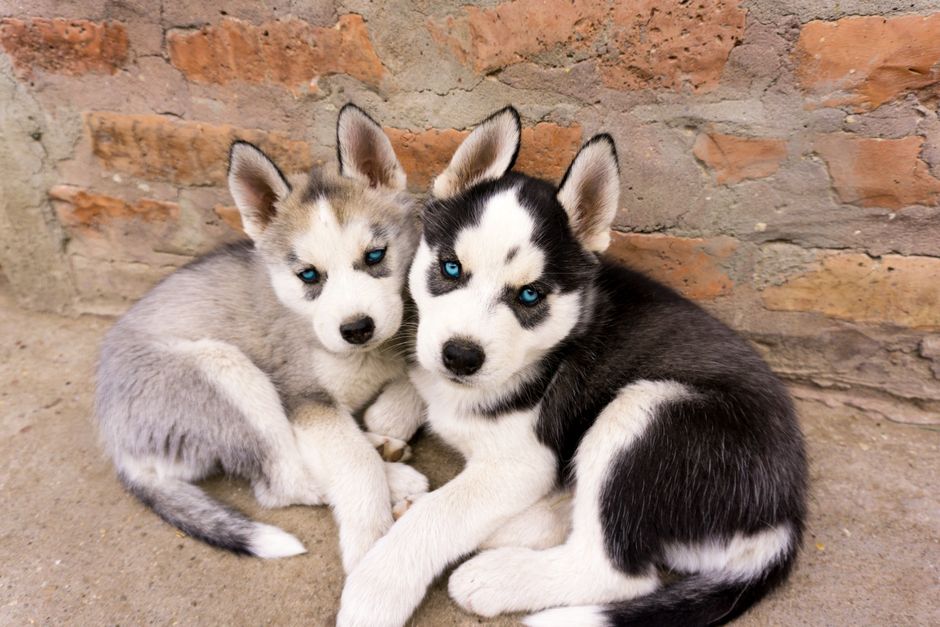
Understanding Your Husky Puppy's Temperament
Huskies were bred to pull sleds over long distances, which means they have incredible stamina, a strong prey drive, and a pack-oriented mindset. They are not typical 'easy' breeds; they are clever, mischievous, and can be willful. Understanding these traits will help you tailor your training approach. Key points:
- Independence: Unlike some breeds that aim to please, Huskies often think for themselves. Training requires patience and consistency.
- Energy levels: A tired Husky is a well-behaved Husky. Ensure your puppy gets plenty of physical and mental exercise.
- Vocal nature: Huskies are famous for their howls and 'talking.' Excessive noise can be managed with training.
- Pack instinct: They see their human family as their pack. Establish yourself as the pack leader through gentle, confident guidance.
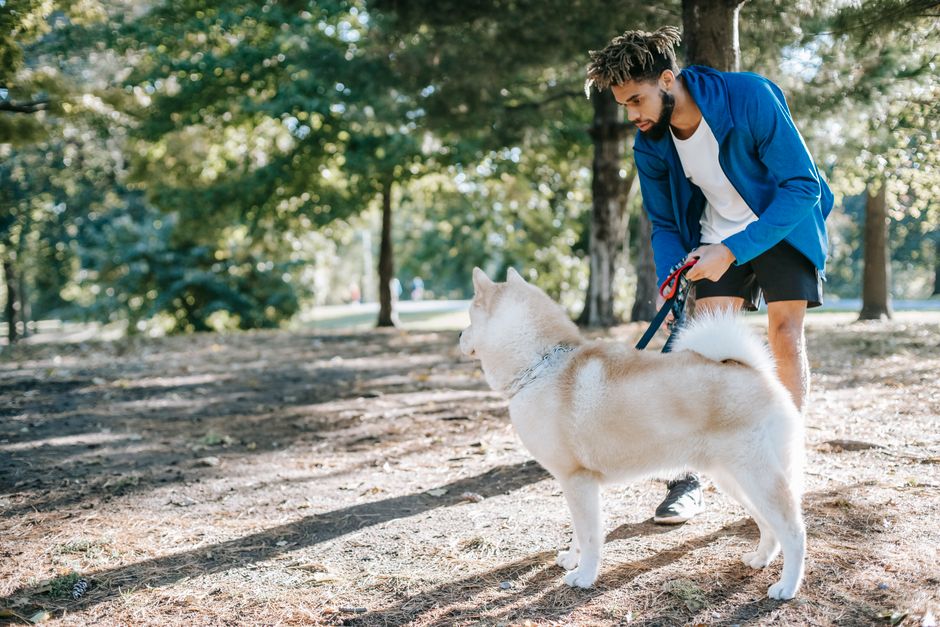
Start with Basic Obedience: Sit, Stay, Come
Begin training as soon as your puppy arrives home, typically around 8 weeks old. Use positive reinforcement (treats, praise, toys) to teach these essential commands.
Sit
Hold a treat close to your puppy's nose. Move your hand up, allowing their head to follow the treat and causing their bottom to lower. Once they are in sitting position, say 'sit', give the treat, and share praise. Repeat in short sessions.
Stay
Ask your Husky to sit. Open your palm in front of their face and say 'stay'. Take a step back. If they stay, return, reward, and praise. Gradually increase distance and duration.
Come
Put a leash on your puppy. Crouch down, say their name and 'come', while gently pulling the leash. When they come to you, reward and praise. Practice in a safe, enclosed area.
Crate Training for Your Husky Puppy
Crate training provides a safe den for your puppy and aids in housebreaking and preventing destructive behavior. Choose a crate large enough for your Husky to stand, turn around, and lie down comfortably. Steps:
- Introduce the crate with an open door, placing treats and toys inside.
- Feed meals near the crate, then inside with the door open.
- Once comfortable, close the door for a few minutes while you are nearby, gradually increasing time.
- Never use the crate as punishment; make it a positive space.
Huskies can suffer from separation anxiety if crated for long periods. Aim for no more than 4-5 hours at a time for puppies, with breaks for exercise and potty.
Housebreaking: Tips for Success
Consistency is key when potty training a Husky puppy. They are smart but can be stubborn. Follow this routine:
| Time | Action |
|---|---|
| After waking up | Take directly to potty spot |
| After eating/drinking | Wait 5-10 minutes, then take out |
| After playtime | Immediately go to potty area |
| Before bedtime | Last bathroom break |
Use a specific word like 'potty' when they eliminate. Reward with treats and praise. Never punish accidents; clean with enzymatic cleaner to remove scent. Crate training helps because dogs naturally avoid soiling their sleeping area.
Leash Training: Preventing Pulling
Huskies are bred to pull, so leash training is crucial. Use a front-clip harness to discourage pulling. Steps:
- Start in a quiet area with few distractions.
- Hold the leash loosely; if your puppy pulls, stop walking and wait. Only move forward when the leash is slack.
- Change direction frequently to keep them focused on you.
- Reward with treats for walking beside you.
Avoid retractable leashes as they encourage pulling. Consistency will turn your Husky into a polite walking companion.
Socialization: Expose Your Puppy to the World
Early socialization prevents fear and aggression. Between 3-16 weeks of age, introduce your puppy to:
- Different people (men, women, children, people in hats/uniforms)
- Other friendly, vaccinated dogs and puppies
- Various environments (parks, busy streets, car rides, vet visits)
- Sounds and surfaces (stairs, gravel, hardwood floors, vacuum cleaners)
Always make experiences positive with treats and praise. If your Husky shows fear, do not force; gradually expose at their pace.
Positive Reinforcement: The Key to Training
Huskies respond best to positive reinforcement—rewarding desired behaviors with treats, play, or affection. Avoid harsh discipline as it can lead to fear and stubbornness. Tips:
- Use high-value treats (small pieces of cheese, chicken, or freeze-dried liver) for training sessions.
- Keep sessions short (5-10 minutes) to maintain focus.
- Be consistent with commands and rewards.
- Incorporate training into daily activities, like asking for a 'sit' before meals.
Remember, training is about building a bond, not forcing compliance.
Common Husky Training Mistakes to Avoid
Even experienced owners can make mistakes with a Husky. Avoid these:
- Inconsistency: All family members must use the same commands and rules.
- Skipping exercise: A bored Husky becomes destructive. Aim for at least 1 hour of exercise daily, split into sessions.
- Using punishment: Harsh corrections can backfire. Focus on redirecting unwanted behaviors.
- Ignoring prey drive: Never let your puppy off-leash in unfenced areas; they may chase small animals.
- Expecting too much too soon: Puppies have short attention spans. Progress gradually.
When to Seek Professional Help
If you encounter persistent issues like aggression, severe separation anxiety, or resource guarding, consult a professional dog trainer with Husky experience. A good trainer offers personalized techniques and can help you understand your puppy's specific needs.
Training a Siberian Husky puppy requires patience, consistency, and a good sense of humor. Embrace their playful spirit, and you'll be rewarded with a loyal, captivating companion. Start early, stay positive, and enjoy the journey.
Recommended Products for Your Husky
As an Amazon Associate, we earn from qualifying purchases. Learn more.
- Puppy Starter Kit — Check price on Amazon
- Puppy Crate — Check price on Amazon
- Puppy Toys — Check price on Amazon
Frequently Asked Questions
How much sleep does a Husky puppy need?
Up to 18–20 hours a day. Over-tired puppies bite and crash; enforce naps in the crate.
When should vaccinations start?
The first round is usually at 6–8 weeks, then boosters every 3–4 weeks until 16 weeks. Avoid dog parks until complete.
How do I socialize a Husky puppy?
Expose them to sounds, surfaces, people, and calm dogs before 16 weeks. Positive experiences now prevent fear later.
Editor's Note
In our experience the four-month fear period blindsides owners. A puppy who loved the vacuum suddenly trembles. We tell clients: don't force it, let them approach. Pushing through it cemented the fear in two cases we handled.
Sources & Further Reading
HuskySpot researches each topic against recognized breed and veterinary authorities. The following organizations inform our content: