Bringing home a Siberian Husky puppy is an exciting adventure, but the teething phase can test your patience. Those sharp little needles—we mean teeth—are a natural part of your husky's development. Understanding the teething process and how to manage it will save your furniture, your hands, and your sanity. This comprehensive guide covers everything you need to know about husky puppy teething.
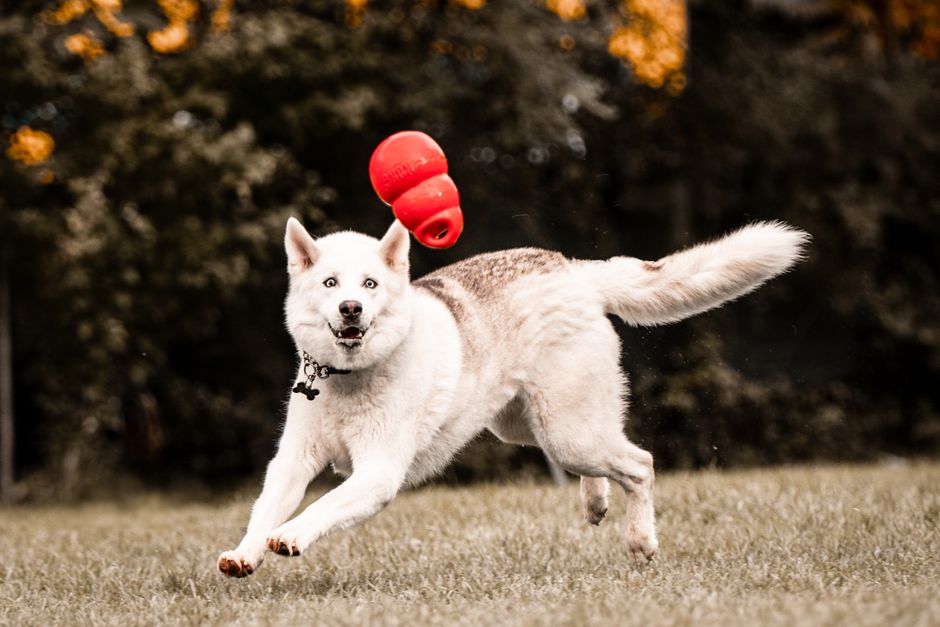
When Do Husky Puppies Start Teething?
Husky puppies are born without teeth. Their first set of 28 baby teeth (deciduous teeth) begin to erupt at around 2 to 4 weeks of age. By 6 to 8 weeks, they typically have a full set of sharp puppy teeth. The teething stage itself—when baby teeth fall out and adult teeth come in—starts around 12 to 16 weeks (3-4 months) and lasts until the puppy is about 6 to 8 months old. Larger breeds like huskies may take a bit longer, sometimes up to 9 months.
Teething Timeline for Husky Puppies
- 2-4 weeks: Incisors start to appear.
- 3-5 weeks: Canines and premolars come in.
- 6-8 weeks: Full set of 28 baby teeth.
- 12-16 weeks: Baby teeth begin to fall out; adult incisors emerge.
- 4-6 months: Adult canines and premolars come through.
- 6-8 months: Molars appear; all 42 adult teeth should be present.
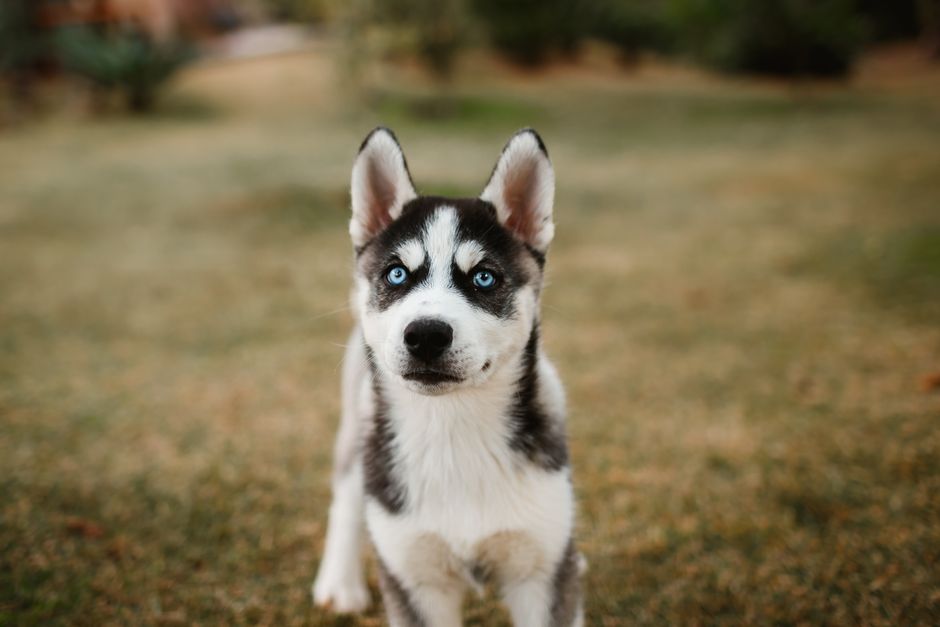
Signs Your Husky Puppy is Teething
Recognizing the signs of teething helps you provide relief early. Common indicators include:
- Excessive chewing on furniture, shoes, or your hands.
- Drooling more than usual.
- Swollen or red gums.
- Loss of appetite or reluctance to eat hard food.
- Whimpering or whining.
- Finding tiny, sharp baby teeth on the floor or in bedding.
- Increased biting and nipping during play.
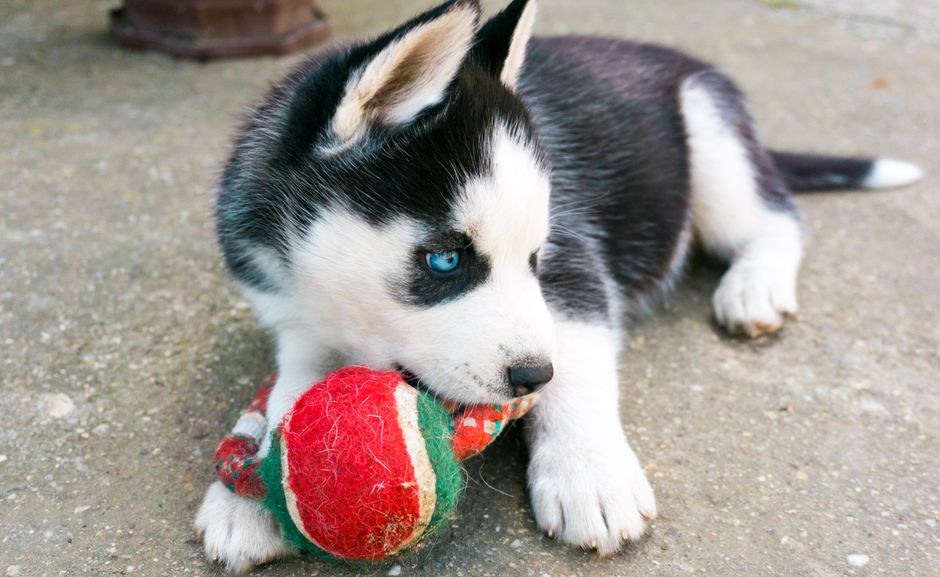
How to Soothe a Teething Husky Puppy
Your husky needs safe and effective ways to relieve gum discomfort. Here are proven methods:
1. Provide Appropriate Chew Toys
Invest in several puppy-safe chew toys. Rubber toys like Kongs, nylabones, and soft teething rings work well. Freeze a wet washcloth or a Kong stuffed with peanut butter (make sure it's xylitol-free) for a cooling effect. Rotate toys to keep your puppy interested.
2. Cold Treats
Cold numbs sore gums. Offer frozen carrots, blueberries, or plain yogurt in a frozen treat dispenser. Ice cubes can be too hard for tiny teeth, so consider ice chips or a dedicated puppy teething toy designed to be chilled.
3. Gentle Gum Massage
Wash your hands and gently rub your puppy's gums with your finger. This can provide comfort and helps you check for any problems like retained baby teeth.
4. Teething Gels and Sprays
Consult your vet about puppy-safe teething gels or sprays that contain mild numbing agents. Use sparingly and only as directed.
Recommended Chew Toys Comparison
| Material | Example | Best For |
|---|---|---|
| Rubber | Kong Puppy Toy | Stuffing with treats, durable |
| Nylon | Nylabone Puppy Teething Bone | Long-lasting, textured |
| Soft plastic | Benebone Puppy Teething Ring | Gentle on gums, flexible |
| Fabric | Frozen washcloth | Super soft, easy to grip |
What NOT to Do During Teething
- Never punish your puppy for chewing. Chewing is instinctual; punishment creates fear and can worsen behavior.
- Avoid giving items that look like household objects. Old shoes or socks confuse puppies into thinking it's okay to chew your current shoes.
- Don't use ice cubes directly. They can be a choking hazard or damage teeth; opt for frozen treats in appropriate sizes.
- Skip ropes or string toys that can shred and be swallowed, causing intestinal blockages.
- Avoid hard bones or antlers that can fracture puppy teeth.
Teething and Behavior: Why Your Husky May Bite More
Teething amplifies your husky's natural mouthiness. Puppies explore the world with their mouths, and sore gums make them want to chew even more. Combined with the husky's independent and stubborn streak, this phase can feel overwhelming. Understand that biting is not aggression—it's a symptom of discomfort and a normal developmental stage.
Your husky may also become more accident-prone with house training or sleep more due to fatigue from teething. Be patient and adjust your routine to include more nap time and gentle play.
How to Train Your Husky Puppy Not to Bite
Training bite inhibition is crucial during teething. Use these techniques consistently:
- Redirection: When your puppy nips, immediately offer a chew toy. Praise them when they take it.
- Yelp and stop play: Let out a high-pitched yelp (like a littermate would) and stop all play for 10-15 seconds. This teaches that biting ends fun.
- Time-outs: If nipping continues, calmly place your puppy in a quiet area (not the crate) for a minute. Return and resume positive interaction.
- Reward gentle play: Use treats and praise when your puppy licks or mouths softly. Reinforce calm behavior.
- Enforce naps: Tired puppies bite more. Ensure your husky gets 18-20 hours of sleep per day.
Caring for Your Husky's Teeth: Long-term Dental Health
Once all adult teeth are in, establish a dental care routine to prevent periodontal disease. Huskies are prone to dental issues if neglected.
- Brush your husky's teeth at least 2-3 times per week using a dog-specific toothpaste.
- Provide dental chews approved by the Veterinary Oral Health Council (VOHC).
- Schedule annual professional cleanings with your vet.
- Monitor for signs of retained baby teeth (double teeth) which can cause misalignment and infection. Consult your vet if you see them beyond 6 months.
Conclusion
Teething is a temporary but challenging stage in your husky puppy's life. By offering appropriate chews, using positive training methods, and staying patient, you can help your furry friend through this phase while protecting your belongings and building a trusting bond. Remember, every husky is different—what works for one may not work for another. Stay consistent, and soon you'll have a beautiful adult smile from your husky.
Recommended Products for Your Husky
As an Amazon Associate, we earn from qualifying purchases. Learn more.
- Puppy Starter Kit — Check price on Amazon
- Puppy Crate — Check price on Amazon
- Puppy Toys — Check price on Amazon
Frequently Asked Questions
When can Husky puppies leave their mother?
Not before 8 weeks — earlier weaning harms socialization. Many breeders hold to 10–12 weeks for stability.
How much sleep does a Husky puppy need?
Up to 18–20 hours a day. Over-tired puppies bite and crash; enforce naps in the crate.
When should vaccinations start?
The first round is usually at 6–8 weeks, then boosters every 3–4 weeks until 16 weeks. Avoid dog parks until complete.
Editor's Note
We've learned the hard way that husky puppies need a six-foot fence, not four. The escape artists we manage all started with a climbable boundary. Bury chicken wire along the line and thank us later.
Sources & Further Reading
HuskySpot researches each topic against recognized breed and veterinary authorities. The following organizations inform our content: