Why a Routine is important for Your Husky Puppy
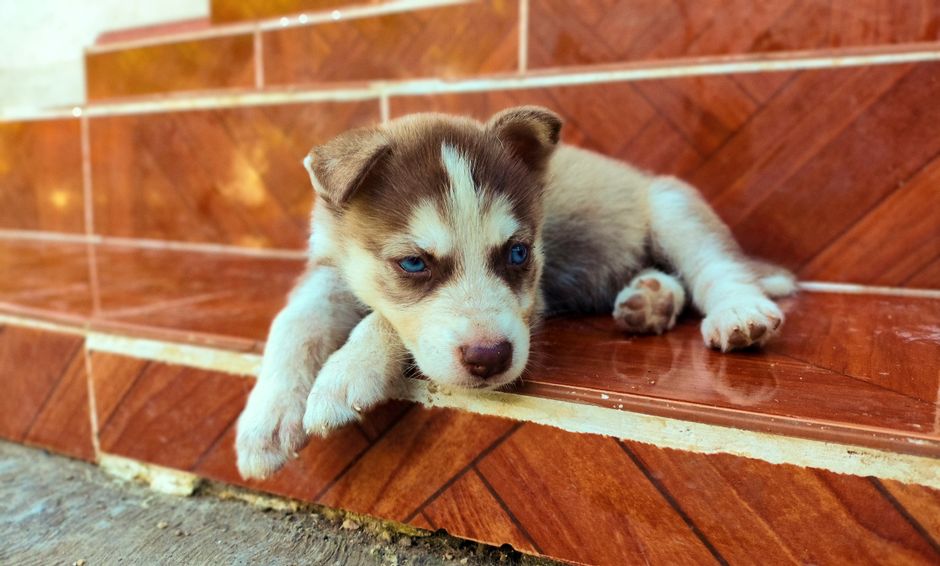
Husky puppies are energetic, intelligent, and independent—traits that make a consistent daily routine non-negotiable. A predictable schedule helps your pup feel secure, reduces anxiety, and prevents destructive behaviors. Huskies thrive on structure, especially during their formative months. By establishing a routine from day one, you'll set the foundation for a well-behaved adult dog.
Morning Routine: Starting the Day Right
Your husky puppy's day should begin at the same time each morning. Consistency helps regulate their internal clock and makes potty training easier. As soon as your puppy wakes up, take them outside to their designated potty spot. Reward immediately with praise and a small treat to reinforce good behavior.
Potty Break First
Don't wait—puppies have small bladders and need to go out immediately after sleeping. Even if they don't seem urgent, take them out. Use a command like "go potty" to associate the action with the cue.
Morning Hygiene and Check-Up
While your puppy is outside, do a quick health check: bright eyes, clean ears, and a cool, wet nose. Huskies are prone to eye issues, so look for redness or discharge. Wipe your puppy's paws after coming inside, especially in winter or rainy weather.
Morning Feeding and Hydration
Feed your husky puppy at the same times every day. Puppies under six months need three meals daily; older pups can transition to two meals. Choose a high-quality puppy formula with at least 22% protein and 8% fat for energy. Huskies are prone to food allergies, so consider limited-ingredient diets with novel proteins like salmon or duck.
Schedule morning feeding about 30 minutes after the potty break. Offer fresh water in a clean bowl, and monitor intake. After eating, take your puppy out again for a second potty break—10-15 minutes post-meal is prime elimination time.
Portion Control
Use the feeding guide on your puppy food bag, but adjust based on your puppy's body condition. You should be able to feel their ribs without seeing them. Divide the daily portion equally among meals. Don't free-feed, as it can lead to obesity and inconsistent potty habits.
Exercise and Playtime in the Morning
Husky puppies have bursts of energy. A morning play session is crucial to burn off excitement before you go to work or start your day. Aim for 15-20 minutes of structured play: fetch, tug-of-war, or short walks (if fully vaccinated). Avoid strenuous exercise on full bellies—wait at least one hour after feeding.
Use this time for mental stimulation too. Hide treats in a puzzle toy or practice basic commands like sit and stay. Huskies are intelligent and need mental challenges to prevent boredom. A tired puppy is a happy puppy!
Mid-Day: Rest and Mental Stimulation
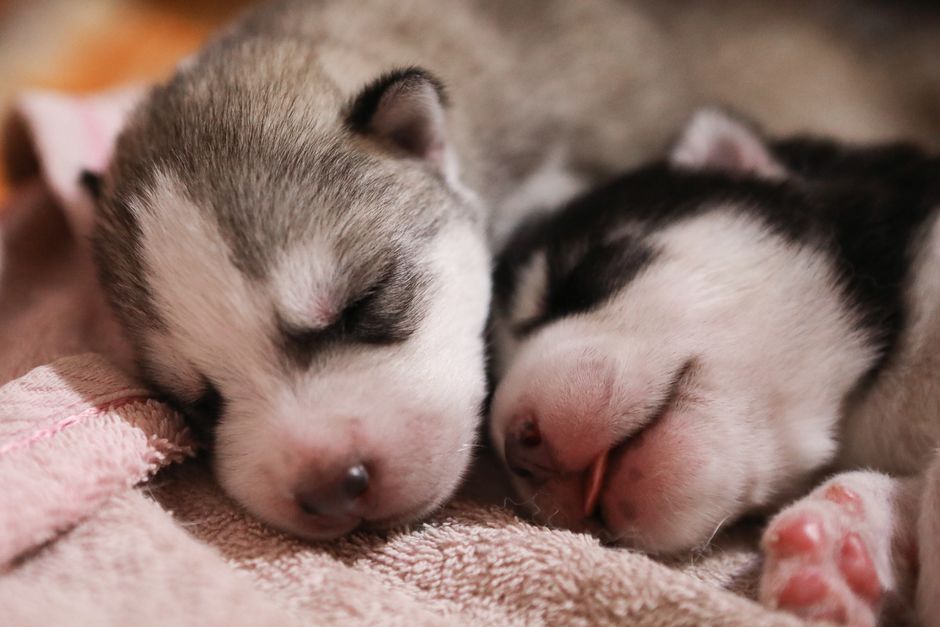
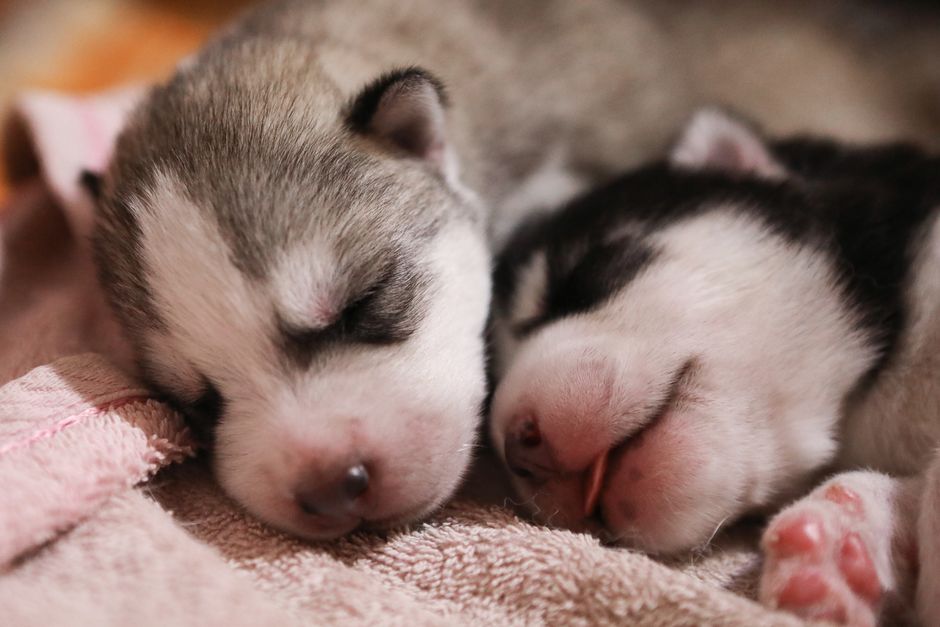
After the morning activity, your puppy will need to nap. Puppies sleep 18-20 hours a day, so enforce quiet time in a crate or puppy-proofed area. Provide a comfortable bed, a safe chew toy, and dim lighting. This rest period helps them recharge and avoids overtiredness, which leads to hyperactivity and accidents.
If you're at home, consider a mid-day training session (5-10 minutes) focusing on impulse control, like waiting at doorways. If you work away from home, arrange a midday visit from a pet sitter or dog walker for a potty break and short play session.
Enrichment Activities
Rotate toys to keep your puppy engaged. Use a snuffle mat for foraging, a Kong filled with frozen yogurt, or a treat-dispensing ball. These activities simulate hunting and licking, which calm dogs.
Afternoon Exercise and Training
Late afternoon is prime time for a longer walk or more intense play. For a husky puppy, 30 minutes of exercise is sufficient at 4 months, increasing gradually up to an hour at 6 months. Break it into two sessions to avoid joint strain. Include on-leash walking, recall training, and socialization with calm, vaccinated dogs.
Incorporate training into this session: practice loose-leash walking, sit-stays, and a reliable recall command. Huskies are independent and can be stubborn, so keep training positive and fun. Use high-value treats like small pieces of chicken or cheese.
Socialization
Expose your puppy to different environments, sounds, and people. Husky puppies can be wary of strangers, so introduce them friendly neighbors, children, and even umbrella openings. Keep experiences positive—pair them with treats. Go at your puppy's pace; avoid overwhelming them.
Evening Routine: Winding Down
Evening should be calm to promote good sleep. Around 6-7 PM, feed the last meal of the day (or second meal if on two meals). After eating, take your puppy out for a potty break. Follow with quiet activities like gentle grooming, massage, or chewing a bully stick. Avoid rough play or high-arousal games.
Brush your husky's coat—they shed heavily seasonally but brush daily to reduce shedding and bond. Check for burrs or matting. Brushing also distributes natural oils and promotes shiny fur.
Final Potty Walk
Right before your bedtime (usually 10-11 PM), take your puppy out for a last potty break. Even if they don't go, spend 5 minutes in the yard. Use a cue like "last call" to signal bedtime. This reduces nighttime accidents.
Bedtime and Crate Training
Huskies are den animals, and a crate suits their instincts. Place the crate in your bedroom so your puppy feels secure. Keep bedtime consistent. Before crating, make sure your puppy has eliminated and had some water (remove the bowl 2 hours before bed). Put a safe toy or a t-shirt that smells like you in the crate.
If your puppy whines, don't immediately respond. Wait for a quiet moment, then take them out only for potty (keep lights low, no play). Gradually they learn that crying doesn't mean fun. Most husky puppies sleep through the night by 4-5 months.
Sample Daily Schedule
Here's a
| Time | Activity |
|---|---|
| 7:00 AM | Wake up, potty break |
| 7:15 AM | Breakfast (1/3 daily portion) + fresh water |
| 7:45 AM | Play/train (15-20 min) |
| 8:30 AM | Potty break, then crate rest (2 hours) |
| 10:30 AM | Potty break, short play (10 min), then free time |
| 12:00 PM | Lunch (second meal) + water |
| 12:30 PM | Potty break, then quiet time/chew |
| 2:00 PM | Potty break, training session (5-10 min) |
| 4:00 PM | Walk/play (20-30 min) |
| 5:30 PM | Potty break |
| 6:00 PM | Dinner (third meal for puppies under 6 months) |
| 6:30 PM | Potty break, calm play (e.g., puzzle toys) |
| 8:00 PM | Evening walk (short), grooming, snuggles |
| 10:00 PM | Last potty break, crate for night |
Adjusting the Routine as Your Puppy Grows
As your husky puppy matures, adapt the routine. At 6 months, reduce meals to two, extend walks to 30-40 minutes, and introduce jogging only after 18 months (growth plates close). Remember, huskies reach full size by 12 months but remain playful throughout life. Keep training sessions short and varied. Adjust potty breaks as bladder control improves—by 6 months, many can hold it 6-8 hours during the day.
Common Challenges and Solutions
Early morning wake-ups: Reset your puppy's clock by gradually moving wake-up time later by 15 minutes each day. Ignore early crying (unless it's urgent potty).
Refusing to eat: Huskies are picky. Add a little warm water or low-sodium broth to kibble. Never skip meals—your puppy will eat when hungry.
Destructive chewing: Increase exercise and offer appropriate chews. Use bitter apple spray on furniture and supervise closely. Provide frozen carrots or ice cubes for teething pain.
Separation anxiety: Practice leaving your puppy alone for short periods. Start with 5 minutes, then gradually increase. Leave a special toy or treat only available when you're away.
Consistency is key. Stick to the routine even on weekends to build strong habits.
Recommended Products for Your Husky
As an Amazon Associate, we earn from qualifying purchases. Learn more.
- Puppy Starter Kit — Check price on Amazon
- Puppy Crate — Check price on Amazon
- Puppy Toys — Check price on Amazon
Frequently Asked Questions
How much sleep does a Husky puppy need?
Up to 18–20 hours a day. Over-tired puppies bite and crash; enforce naps in the crate.
When should vaccinations start?
The first round is usually at 6–8 weeks, then boosters every 3–4 weeks until 16 weeks. Avoid dog parks until complete.
How do I socialize a Husky puppy?
Expose them to sounds, surfaces, people, and calm dogs before 16 weeks. Positive experiences now prevent fear later.
Editor's Note
In our experience the four-month fear period blindsides owners. A puppy who loved the vacuum suddenly trembles. We tell clients: don't force it, let them approach. Pushing through it cemented the fear in two cases we handled.
Sources & Further Reading
HuskySpot researches each topic against recognized breed and veterinary authorities. The following organizations inform our content: