Bringing home a Siberian Husky puppy is an exciting adventure, but it comes with unique training challenges. Many new owners unknowingly make mistakes that can lead to behavioral problems down the road. This guide covers the most common husky puppy training mistakes and how to avoid them, ensuring your puppy grows into a well-behaved, happy dog.
1. Starting Training Too Late
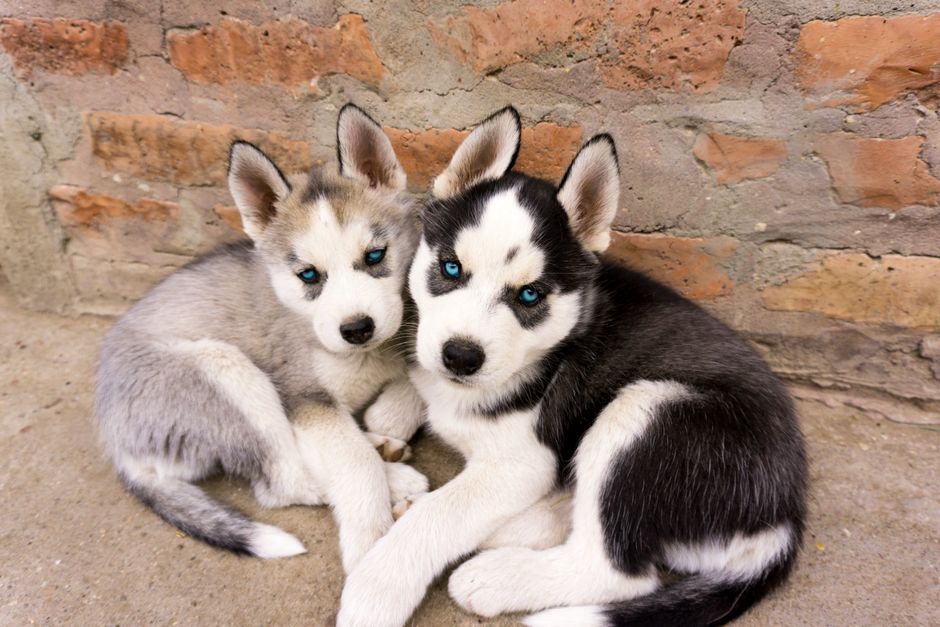
Huskies are intelligent and independent, which means early training is crucial. Waiting until your puppy is several months old allows bad habits to form. Start basic commands like 'sit', 'stay', and 'come' as soon as you bring your puppy home, usually around 8 weeks old. Consistent, positive reinforcement from day one sets the foundation for a well-mannered adult dog.
2. Using Harsh Punishment
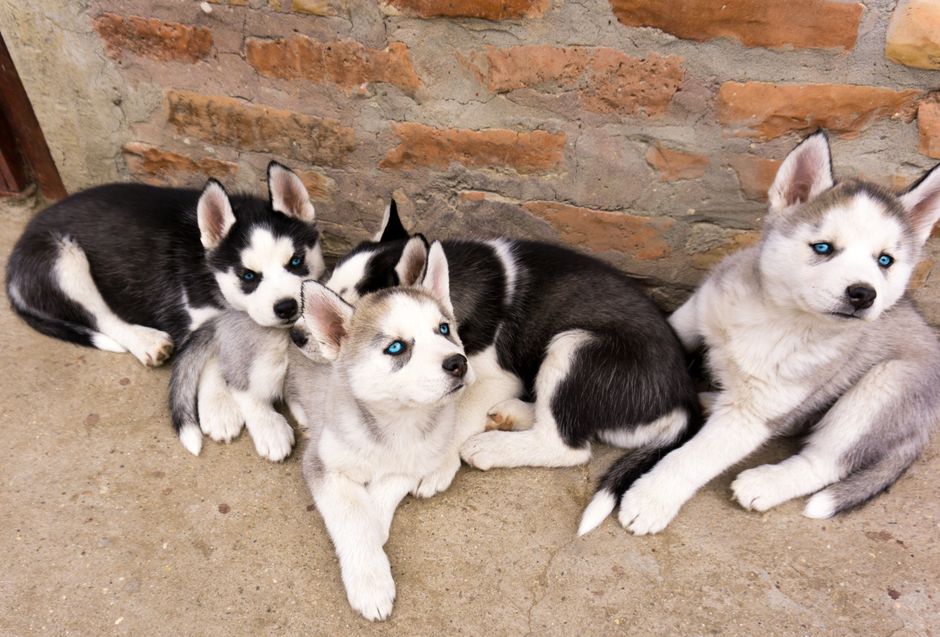
Huskies are sensitive despite their tough appearance. Yelling, hitting, or using aversive tools can damage trust and lead to fear or aggression. Instead, use reward-based training with treats, praise, and play. When your puppy makes a mistake, redirect them to the correct behavior and reward that. For example, if they jump up, turn away and only give attention when all four paws are on the floor.
3. Inconsistent Rules and Routines
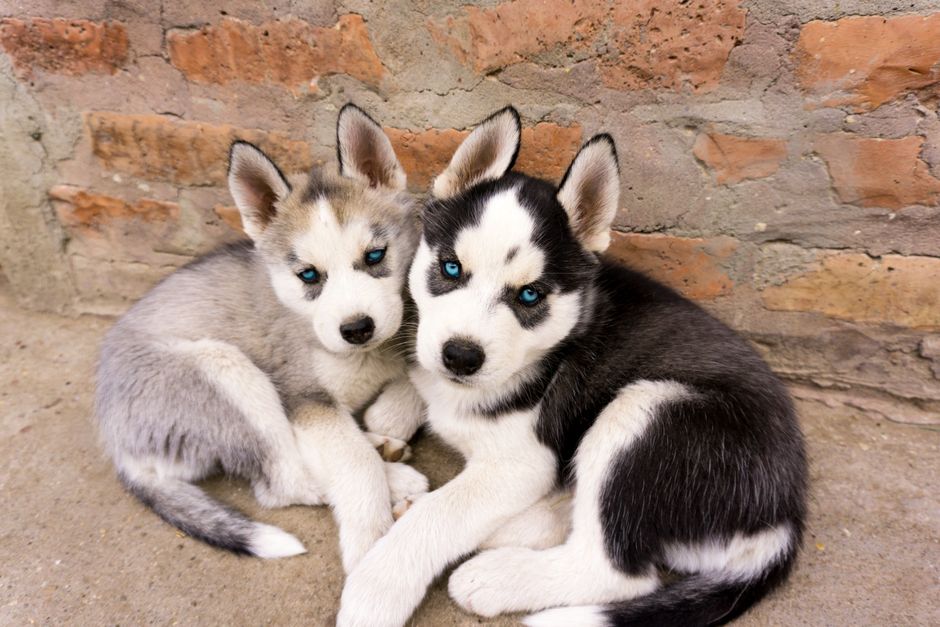
Huskies thrive on consistency. If one family member allows jumping on the couch but another doesn't, the puppy becomes confused. Set clear household rules for everyone to follow. Also, maintain a consistent schedule for feeding, potty breaks, and training sessions. This predictability helps your husky feel secure and learn faster.
4. Neglecting Socialization
Without proper socialization, huskies can become wary or reactive. Expose your puppy to various people, dogs, environments, and sounds between 8 and 16 weeks old. Use positive experiences — treat your puppy when they calmly meet a new person or hear a loud noise. Enroll in a puppy socialization class to safely introduce them to new experiences under professional guidance.
5. Skipping Crate Training
Crate training is important for husky puppies. It provides a safe den-like space and aids in housebreaking and preventing destructive behavior. Many owners skip it because they feel guilty, but a properly introduced crate becomes your puppy's sanctuary. Start with short periods, make it comfortable, and never use the crate as punishment.
6. Not Addressing Separation Anxiety Early
Huskies are pack-oriented and can develop separation anxiety if left alone abruptly. To prevent this, gradually acclimate your puppy to solitude. Begin with brief departures (a few minutes) and increase duration slowly. Provide interactive toys or a stuffed Kong to keep them occupied. Do not make a big fuss when leaving or returning; keep it low-key.
7. Overlooking Exercise Needs
A tired puppy is a well-behaved puppy. Huskies are high-energy and require plenty of physical and mental stimulation. Insufficient exercise leads to hyperactivity, chewing, and barking. Aim for at least 30–60 minutes of exercise daily, split into multiple sessions. Include walks, runs, and mentally stimulating games like fetch or puzzle toys.
8. Using the Wrong Training Methods
Huskies are clever and will quickly lose interest in repetitive drills. They respond best to short, fun training sessions (5–10 minutes) with varied commands and high-value rewards. Avoid harsh corrections or long boring sessions. Use games like 'find it' or 'hide and seek' to make training engaging. Patience and creativity are key.
9. Forgetting Leash Training Basics
Husky puppies often pull on the leash due to their sled dog heritage. Many owners make the mistake of letting them pull or using retractable leashes. Start leash training indoors with a loose leash. Use a front-clip harness to reduce pulling. Stop moving when the leash tightens, and resume only when it's loose. Reward walking beside you. Consistency will teach your puppy that pulling gets them nowhere.
10. Ignoring Bite Inhibition
Husky puppies explore the world with their mouths and often nip during play. If not corrected, this can become a problem as they grow. Teach bite inhibition by yelping loudly and withdrawing attention when they bite too hard. Then offer a chew toy as an alternative. Never encourage play biting with hands or feet.
Recommended Products for Your Husky
As an Amazon Associate, we earn from qualifying purchases. Learn more.
- Puppy Starter Kit — Check price on Amazon
- Puppy Crate — Check price on Amazon
- Puppy Toys — Check price on Amazon
Final Thoughts
Avoiding these common husky puppy training mistakes will set you and your dog up for a lifelong bond. training is a journey, not a destination. Stay patient, consistent, and positive. If you encounter persistent issues, consider working with a professional trainer who understands the husky temperament.
| Mistake | Why It Matters | How to Fix It |
|---|---|---|
| Starting too late | Bad habits become ingrained | Begin training at 8 weeks |
| Harsh punishment | Damages trust and causes fear | Use positive reinforcement |
| Inconsistency | Confuses the puppy | Set clear rules for everyone |
| Neglecting socialization | Leads to reactivity | Expose to new experiences early |