Raising a Siberian Husky puppy is an exciting journey, but feeding mistakes can lead to health problems that last a lifetime. Huskies are a unique breed with specific nutritional needs, yet many well-meaning owners unknowingly make errors that cause obesity, digestive issues, or developmental problems. This guide covers the most common husky puppy feeding mistakes and how to avoid them.
1. Overfeeding: The #1 Mistake
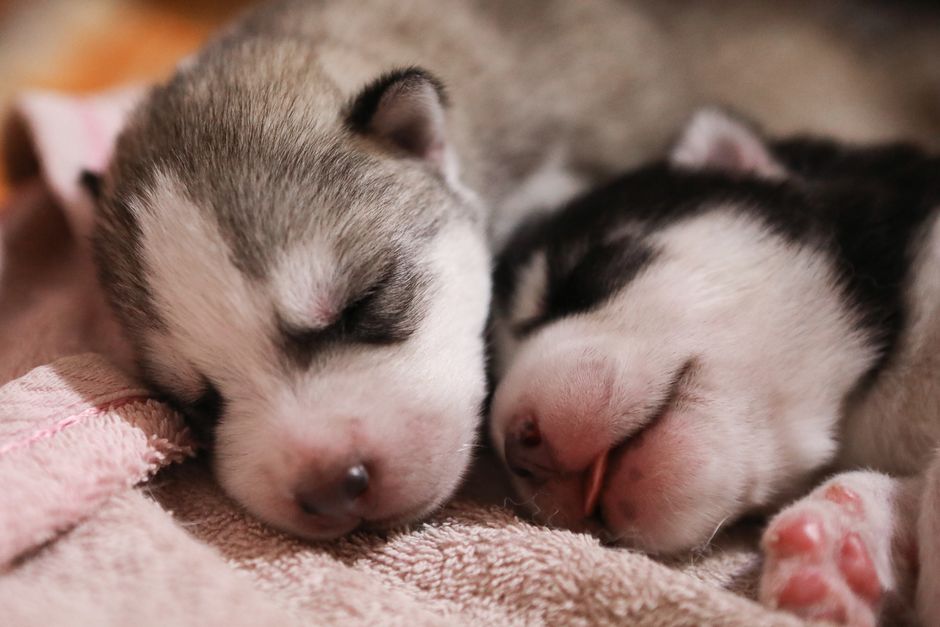
Husky puppies are naturally enthusiastic eaters, but their growth rate makes them prone to obesity if overfed. Overfeeding a husky puppy can lead to rapid weight gain, putting stress on developing joints and leading to hip dysplasia or other skeletal issues. Puppies should eat just enough to maintain a lean body condition—you should be able to feel their ribs without pressing hard.
Tip: Follow the feeding guidelines on your high-quality puppy food bag, but adjust based on your puppy's individual metabolism and activity level. A good rule of thumb: feed 3-4 meals per day for the first 6 months, then reduce to 2 meals.
2. Free-Feeding (Leaving Food Out All Day)
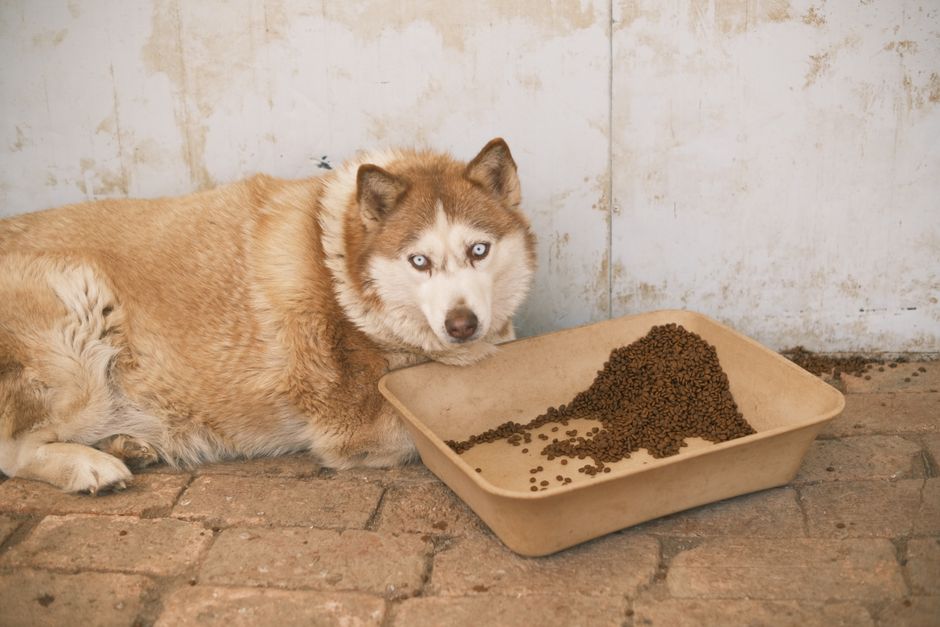
Unlike some breeds, huskies are not naturally good at self-regulating their food intake. Leaving a bowl full of kibble all day encourages overeating and can lead to bloat, a life-threatening condition. Free-feeding also makes it difficult to monitor appetite changes that could signal illness.
Solution: Use scheduled meal times. Offer the food for 15-20 minutes, then remove what isn't eaten. This also helps with house training because you'll know when to expect potty breaks.
3. Choosing the Wrong Type of Food
Not all puppy foods are created equal, and huskies have specific needs. They require high-quality protein (e.g., chicken, fish, lamb) for muscle development, moderate fat for energy, and lower carbs to prevent weight gain. Avoid foods with by-products, fillers like corn or soy, and artificial additives.
Ideal food: Look for dry kibble with AAFCO approval for growth, at least 30% protein and 15-20% fat. Examples: Orijen Puppy, Taste of the Wild High Prairie, or Blue Buffalo Wilderness.
4. Ignoring Growth Stages
Husky puppies grow quickly, and their nutritional needs change from weaning to adolescence. Feeding a large-breed puppy formula (if your husky is from larger lines) can help control growth rate to reduce joint stress. Small-breed formulas provide too much energy and calcium, which can cause skeletal problems.
Guidelines:
- 8-12 weeks: 4 meals/day (puppy milk replacer if weaning).
- 3-6 months: 3 meals/day.
- 6-12 months: 2 meals/day.
- 12+ months: Switch to adult maintenance food around 14-18 months.
5. Feeding Table Scraps or Human Food
It's tempting to share your dinner with your cute puppy, but many human foods are dangerous for huskies. Onions, garlic, grapes, raisins, chocolate, and xylitol can be toxic. Even safe foods like cheese or bread can cause digestive upset or calorie overload. Puppies also learn bad habits like begging.
Healthy treats: Use small pieces of cooked chicken, carrots, blueberries, or commercial training treats with low calories.
6. Not Establishing a Consistent Feeding Schedule
Huskies thrive on routine. Inconsistent feeding times can cause digestive issues, anxiety, and make potty training harder. A set schedule helps regulate their metabolism and bowel movements, making it easier to predict when they need to go outside.
Example schedule for a 3-month-old:
- 7:00 AM: Breakfast
- 12:00 PM: Lunch
- 5:00 PM: Dinner
- 9:00 PM: Small snack (if needed)
7. Changing Food Too Quickly
Husky puppies have sensitive stomachs. Abruptly switching from one brand or protein source to another can cause vomiting, diarrhea, and refusal to eat. A gradual transition over 7-10 days is essential.
Transition method: Start with 75% old food / 25% new, then 50/50, then 25/75, finally 100% new. Monitor stool quality throughout.
8. Ignoring Water Intake
Husky puppies need constant access to fresh water, especially when eating dry kibble. Dehydration is a common issue, leading to urinary tract problems and heat stress. However, don't let them drink excessive water immediately after eating, as it can dilute stomach acid and cause bloat.
Tip: Encourage water breaks between meals and after exercise. Wash water bowls daily to prevent bacterial growth.
9. Forgetting to Adjust for Activity Level
Husky puppies are highly active and need more calories on days with lots of exercise. But if your puppy is less active (e.g., rainy days or recovery after spay/neuter), reduce food portions. Use body condition scoring: feel for ribs and look for a visible waist.
Pro tip: Measure food with a kitchen scale for accuracy. Feed 2-3% of current body weight per day (puppy formula), split across meals.
10. Overdoing Supplements
Many owners think they need to add vitamins, calcium, or fish oil to their puppy's diet. But a high-quality balanced puppy food already contains all essential nutrients. Adding extra calcium can cause skeletal deformities; too much vitamin A leads to toxicity. Consult your vet before any supplementation.
Sample Feeding Chart for Husky Puppies
| Age (months) | Meals per day | Daily kibble amount (cups)* |
|---|---|---|
| 2 | 4 | 1.5 - 2 |
| 3 | 4 | 2 - 2.5 |
| 4 | 3 | 2.5 - 3 |
| 5 | 3 | 2.5 - 3 |
| 6 | 3 | 2.5 - 3.5 |
| 7-9 | 2 | 2.5 - 4 |
| 10-12 | 2 | 2.5 - 4.5 |
*Cups based on a high-quality food with 350-400 kcal/cup. Adjust based on individual puppy and food density.
When to Consult a Veterinarian
If you notice any of these signs, seek professional advice: persistent diarrhea, vomiting, lack of appetite for more than 24 hours, excessive weight loss or gain, or a dull coat. Your vet can recommend a personalized feeding plan and check for underlying issues.
Avoiding these husky puppy feeding mistakes will set your dog up for a healthy, happy life. Remember: proper nutrition is the foundation of good health. Be consistent, measure portions, and always prioritize quality over quantity. Your husky will thank you with energy, a shiny coat, and a wagging tail.
Recommended Products for Your Husky
As an Amazon Associate, we earn from qualifying purchases. Learn more.
- Puppy Starter Kit — Check price on Amazon
- Puppy Crate — Check price on Amazon
- Puppy Toys — Check price on Amazon
Frequently Asked Questions
When should I spay or neuter?
Many vets suggest 6–12 months for Huskies to protect joint and hormone development. Discuss timing with your vet.
What should I buy before a Husky puppy?
A crate, chew toys, a harness (not a collar for pulling), a groomer-grade brush, and puppy food. Skip the tiny water bowl — they grow fast.
How do I housebreak a Husky puppy?
Take them out every hour, after meals, and on waking; reward immediately. Crate overnight so they won't soil their den.
Editor's Note
We've recommended early socialization classes to every husky puppy owner we work with. The pack-oriented ones who learned dog language young handle the dog park calmly; the isolated ones arrive reactive and stressed.
Sources & Further Reading
HuskySpot researches each topic against recognized breed and veterinary authorities. The following organizations inform our content: