Understanding Husky Growth Stages
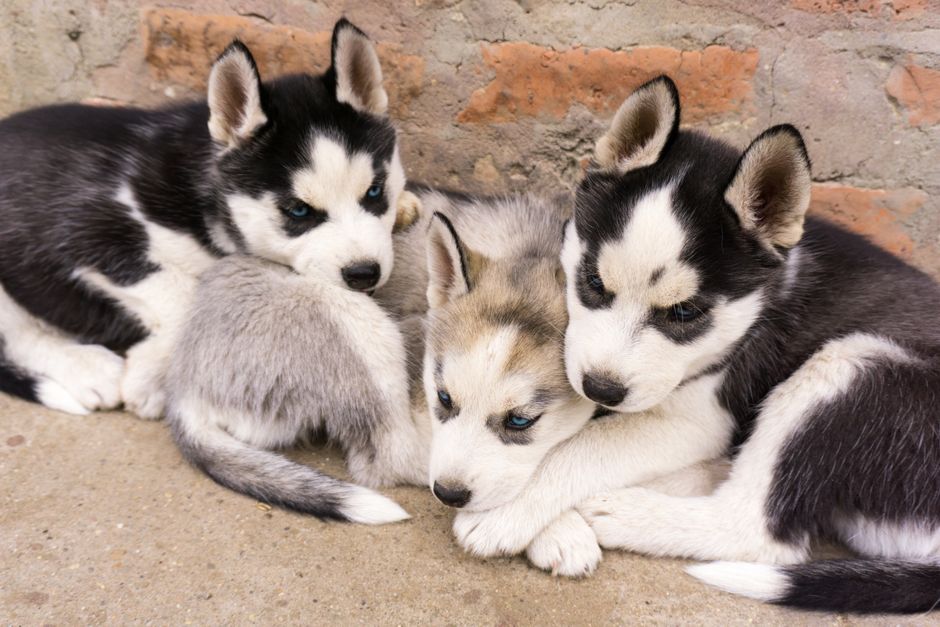
Your Siberian Husky puppy will go through several distinct growth phases: neonatal (0-2 weeks), transitional (2-4 weeks), socialization (4-12 weeks), juvenile (3-6 months), adolescent (6-12 months), and young adult (12-18 months). Each stage has unique nutritional and developmental needs. During the first few weeks, puppies rely entirely on their mother's milk. After weaning, a high-quality puppy food supports rapid bone and muscle development. The socialization period is critical for exposing your pup to new experiences.
Husky Puppy Growth Chart
The table below shows average weight and height ranges for male and female Siberian Huskies from 2 months to 18 months. Note that individual puppies may vary. Use this as a general guideline.
| Age (Months) | Weight (lbs) – Male | Weight (lbs) – Female | Height (inches) – Male | Height (inches) – Female |
|---|---|---|---|---|
| 2 | 10–15 | 8–12 | 8–10 | 7–9 |
| 3 | 17–22 | 14–18 | 11–13 | 10–12 |
| 4 | 23–30 | 19–25 | 13–15 | 12–14 |
| 5 | 30–38 | 25–32 | 15–17 | 14–16 |
| 6 | 35–45 | 28–36 | 17–19 | 16–18 |
| 7 | 38–48 | 30–38 | 18–20 | 17–19 |
| 8 | 40–50 | 32–40 | 19–21 | 18–20 |
| 9 | 42–53 | 34–42 | 20–22 | 19–21 |
| 10 | 44–55 | 35–44 | 20–22 | 19–21 |
| 11 | 45–57 | 36–45 | 21–23 | 20–22 |
| 12 | 46–59 | 36–46 | 21–23 | 20–22 |
| 18 | 45–60 | 35–50 | 21–23.5 | 20–22 |
Most Huskies reach their full height by 12 months, but continue filling out until 18–24 months. Regular weigh-ins help track progress.
Factors Affecting Growth
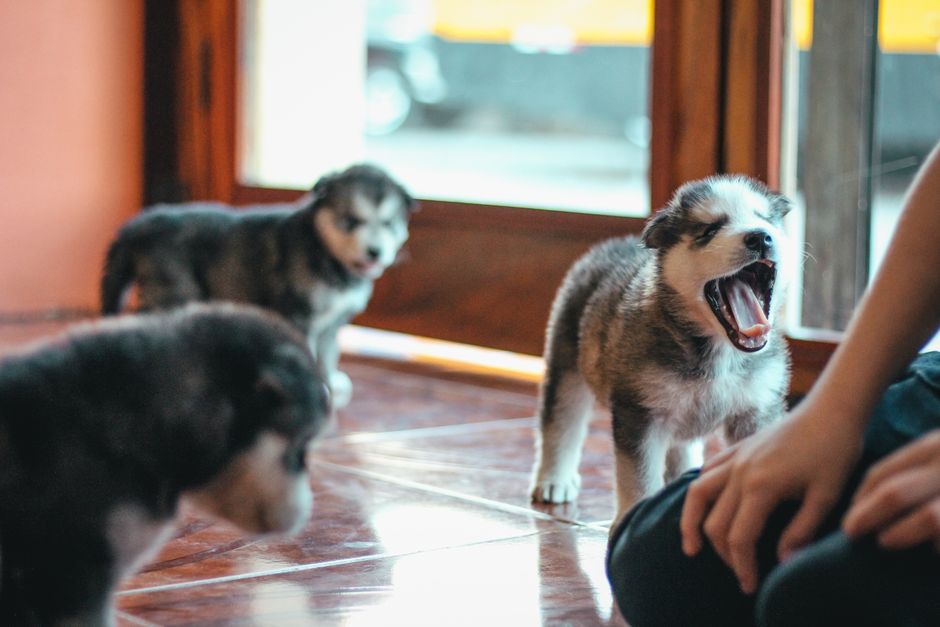
Several variables influence how your husky pup grows: genetics (size of parents), nutrition (quality and quantity of food), exercise, and overall health. Overfeeding can cause rapid growth and joint issues, while underfeeding stunts development. Always consult your vet for personalized advice. Neutering/spaying before maturity may also affect growth plates closure.
Feeding for Healthy Growth
Feed your husky puppy a high-quality, large-breed puppy formula (even though Huskies are medium-sized, they have similar growth patterns). Follow the feeding guidelines on the food bag, but adjust based on body condition. Divide daily portions into 3 meals until 6 months, then 2 meals. Avoid free-feeding. Supplements are usually unnecessary if you feed a complete diet. Ensure constant access to fresh water.
Sample Feeding Schedule
- 2-3 months: 1/2–1 cup per meal, 3 meals/day
- 4-6 months: 1–1.5 cups per meal, 3 meals/day
- 7-12 months: 1.5–2 cups per meal, 2 meals/day
- 12+ months: 1.5–2.5 cups per meal, 2 meals/day (adjust for activity)
Common Growth Concerns
While most huskies grow without issues, watch for signs of hip dysplasia (limping, bunny-hopping), panosteitis (wandering leg lameness), and obesity. Rapid growth increases the risk of skeletal disorders. Keep your puppy lean; you should be able to feel ribs without a thick fat layer. If your pup seems too small or too large relative to the chart, consult your vet.
When to Expect Full Maturity
Siberian Huskies reach adult height around 12 months but continue to gain muscle and fill out until about 18–24 months. Mental maturity takes even longer—some Huskies retain puppy-like energy until age 2 or 3. Growth plates close between 12-18 months, so avoid strenuous high-impact exercise (like long runs or jumping) until then.
Tips for Monitoring Your Husky's Growth
- Weigh your puppy weekly using a digital scale or at the vet.
- Measure height at the withers monthly.
- Take monthly photos for visual documentation.
- Keep a growth journal with weight, height, and food intake.
- Visit the vet for regular check-ups and vaccines.
Remember, every puppy is unique. Use the chart as a reference, not a strict rule. Focus on overall health, behavior, and body condition rather than numbers. With proper care, your Siberian Husky will grow into a strong, beautiful companion.
Recommended Products for Your Husky
As an Amazon Associate, we earn from qualifying purchases. Learn more.
- Puppy Starter Kit — Check price on Amazon
- Puppy Crate — Check price on Amazon
- Puppy Toys — Check price on Amazon
Frequently Asked Questions
When can Husky puppies leave their mother?
Not before 8 weeks — earlier weaning harms socialization. Many breeders hold to 10–12 weeks for stability.
How much sleep does a Husky puppy need?
Up to 18–20 hours a day. Over-tired puppies bite and crash; enforce naps in the crate.
When should vaccinations start?
The first round is usually at 6–8 weeks, then boosters every 3–4 weeks until 16 weeks. Avoid dog parks until complete.
Editor's Note
We've learned the hard way that husky puppies need a six-foot fence, not four. The escape artists we manage all started with a climbable boundary. Bury chicken wire along the line and thank us later.
Sources & Further Reading
HuskySpot researches each topic against recognized breed and veterinary authorities. The following organizations inform our content: