Bringing home a Siberian Husky puppy is an exciting adventure, but many owners face a common challenge: separation anxiety. This condition can lead to destructive behavior, excessive barking, and distress for both you and your pup. This comprehensive guide will help you understand, prevent, and manage separation anxiety in your husky puppy.
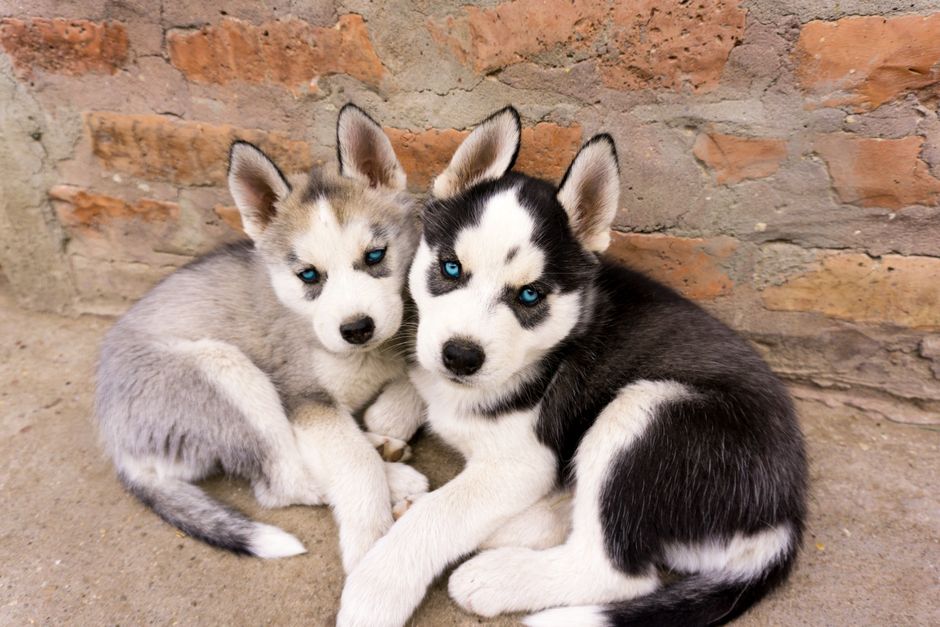
Understanding Separation Anxiety
Separation anxiety is a behavioral disorder where a dog experiences extreme stress when separated from their owner. For husky puppies, this often manifests as panic rather than boredom. Unlike simple misbehavior, separation anxiety involves genuine fear and distress, requiring specific management and training approaches.
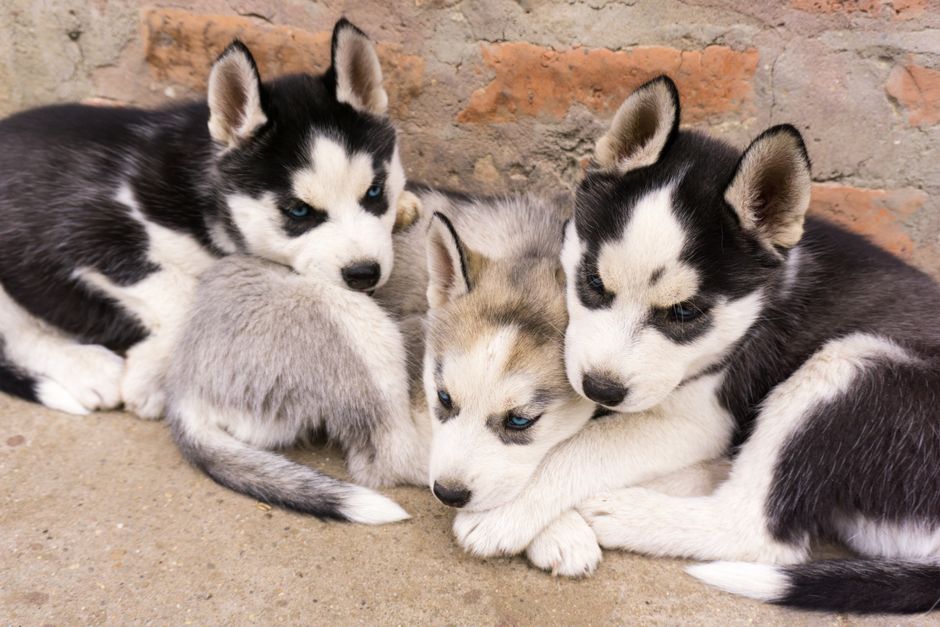
Why Huskies Are Prone
Siberian Huskies are pack-oriented dogs bred to work closely with humans and other dogs. Their social nature makes them particularly susceptible to separation anxiety. Additionally, huskies are intelligent and energetic, so without proper mental and physical outlets, they may develop anxious behaviors when left alone.
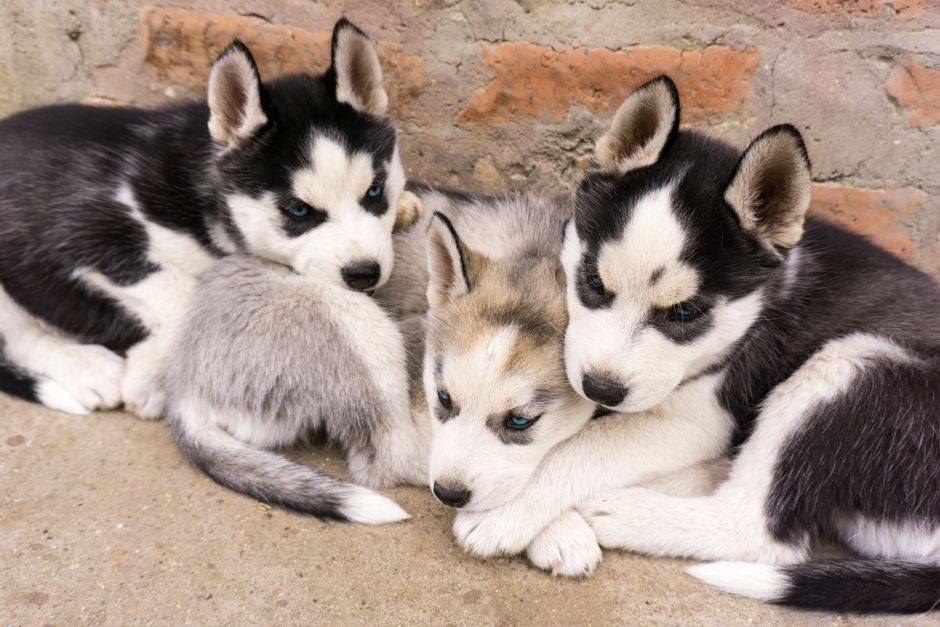
Recognizing Symptoms
It’s crucial to distinguish separation anxiety from normal puppy mischief. Common signs include:
- Excessive barking, howling, or whining when you leave
- Destructive behavior focused on exits (doors, windows)
- Accidents in the house despite being house-trained
- Pacing, drooling, or panting before you depart
- Attempts to escape the crate or room
| Behavior | Possible Cause |
|---|---|
| Chewing shoes | Boredom (not anxiety) |
| Scratching at door | Desire to follow owner |
| Howling for hours | Distress from separation |
| Accidents in crate | Stress-related loss of control |
Prevention from Day One
Start early to build your husky puppy’s confidence and independence. Key prevention strategies include:
- Alone time training: Gradually accustom your puppy to being alone for short periods, even while you’re home.
- Safe space: Create a cozy den-like area with a crate or gated zone where your pup feels secure.
- Positive associations: Give high-value treats or puzzle toys only when you leave, so departures signal good things.
- Low-key departures: Avoid emotional goodbyes; leave and return calmly to reduce anxiety cues.
Training Techniques
Gradual Departures
Practice leaving your puppy for very short durations (seconds) and gradually increase. Use a cue like “I’ll be back” and return before anxiety starts. Over days or weeks, extend the time while ensuring your pup remains relaxed.
Crate Training
Crates can be a haven if introduced properly. Make the crate comfortable with bedding and toys. Feed meals inside, and never use it for punishment. For huskies, ensure the crate is escape-proof as they are clever escape artists.
Desensitization
Desensitize your puppy to pre-departure cues like picking up keys or putting on shoes. Perform these actions without leaving, so they lose their anxiety-provoking meaning. Pair them with treats to create positive associations.
Counter-Conditioning
Teach your puppy that your departure predicts something wonderful. Give a stuffed Kong or a chew toy only when you leave. Over time, your puppy will look forward to your departure instead of fearing it.
Management Strategies
In addition to training, manage your husky’s environment to reduce stress:
- Exercise before leaving: A tired puppy is less anxious. Aim for at least 30-60 minutes of vigorous exercise before you go.
- Mental stimulation: Use interactive feeders, nose work toys, or obedience games to tire their mind.
- Calming aids: Consider pheromone diffusers (Adaptil), anxiety wraps, or calming music designed for dogs.
- Dog sitter or daycare: If your puppy cannot be left alone, arrange for someone to visit or use a reputable daycare.
When to Seek Professional Help
If your husky puppy’s anxiety is severe—causing self-harm, destruction, or extreme panic—consult a veterinarian or certified animal behaviorist. Medication may be necessary temporarily, combined with behavior modification. Never punish anxious behavior; it worsens the problem.
Conclusion
Separation anxiety in husky puppies is challenging but manageable. With patience, consistent training, and proper management, most puppies learn to feel secure when alone. Remember, each husky is unique; adapt techniques to your puppy’s personality. You can overcome separation anxiety and build a confident, happy companion.
Recommended Products for Your Husky
As an Amazon Associate, we earn from qualifying purchases. Learn more.
- Puppy Starter Kit — Check price on Amazon
- Puppy Crate — Check price on Amazon
- Puppy Toys — Check price on Amazon
Frequently Asked Questions
How much sleep does a Husky puppy need?
Up to 18–20 hours a day. Over-tired puppies bite and crash; enforce naps in the crate.
When should vaccinations start?
The first round is usually at 6–8 weeks, then boosters every 3–4 weeks until 16 weeks. Avoid dog parks until complete.
How do I socialize a Husky puppy?
Expose them to sounds, surfaces, people, and calm dogs before 16 weeks. Positive experiences now prevent fear later.
Editor's Note
In our experience the four-month fear period blindsides owners. A puppy who loved the vacuum suddenly trembles. We tell clients: don't force it, let them approach. Pushing through it cemented the fear in two cases we handled.
Sources & Further Reading
HuskySpot researches each topic against recognized breed and veterinary authorities. The following organizations inform our content: