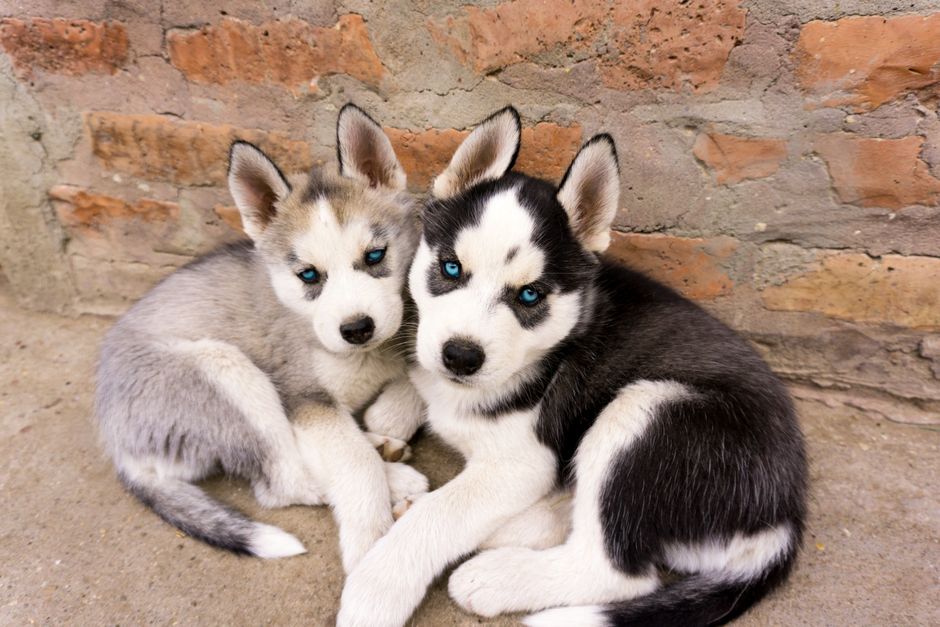
Bringing home a Siberian Husky puppy is an exciting adventure, but it also comes with a unique set of behavior challenges. Known for their intelligence, independence, and boundless energy, Husky puppies can test your patience with behaviors like biting, chewing, and howling. This comprehensive guide dives into the most common husky puppy behavior problems, explains why they happen, and provides practical, proven solutions to raise a well-adjusted canine companion.
Understanding the Husky Temperament
Before tackling behavior issues, it's crucial to understand what drives your Husky. Bred to pull sleds over long distances, Huskies are working dogs with high energy, strong prey drive, and a stubborn streak. They are pack animals that thrive on structure and leadership. Without proper outlets, their natural traits can turn into problem behaviors. Remember, a tired Husky is a good Husky—mental and physical exercise are non-negotiable.
Common Husky Puppy Behavior Problems
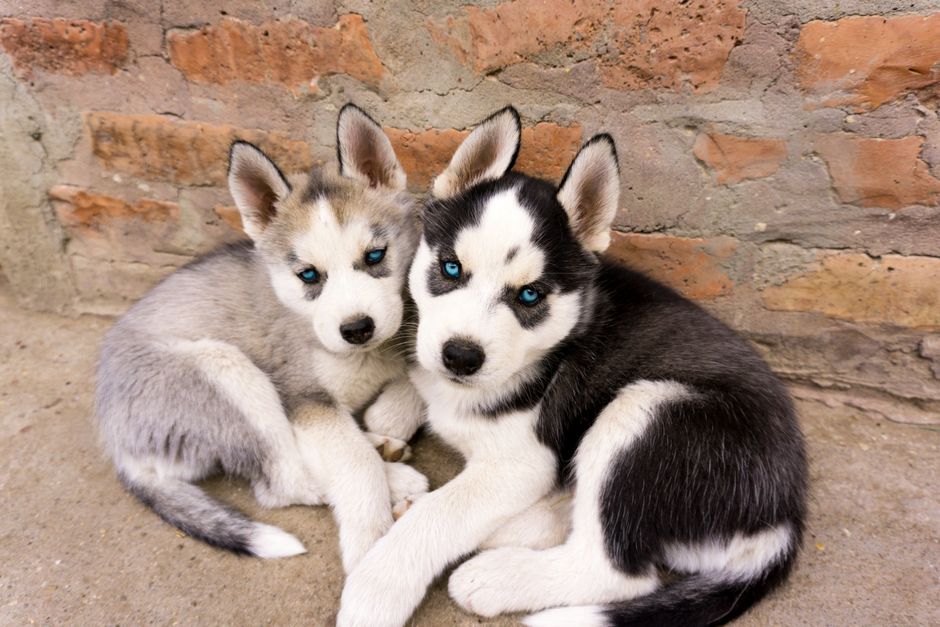
Here are the most frequent challenges new Husky owners face, along with detailed strategies to address them.
1. Biting and Nipping
Husky puppies explore the world with their mouths, and their sharp baby teeth can be painful. Biting is often a result of teething, overexcitement, or lack of bite inhibition.
- Redirect: Offer a chew toy or frozen treat when your puppy mouths your hands.
- Yelp and ignore: Mimic a puppy's yelp (a high-pitched “ow!”) and then withdraw attention for a few seconds.
- Provide teething relief: Use frozen washcloths or rubber toys filled with peanut butter.
- Enforce calm greetings: Reward only when mouth is off skin.
2. Chewing and Destructive Behavior
Huskies are natural chewers. If they don't have appropriate items, they'll find your shoes, furniture, or baseboards.
- Puppy-proof your home: Keep valuables out of reach and use bitter apple spray on furniture legs.
- Offer variety: Provide rubber chew toys (KONG, Nylabone), rope toys, and puzzle toys.
- Supervise and crate train: When you can't watch, crate your puppy with a safe chew.
- Increase exercise: A bored Husky chews; ensure daily walks, playtime, and training sessions.
3. Potty Training Accidents
Huskies can be stubborn to housebreak. Consistency and a strict schedule are key.
| Time | Action |
|---|---|
| First thing in the morning | Immediately go to potty spot |
| After each meal | Take out within 15 minutes |
| After naps | Straight outside |
| After play sessions | Potty break |
| Before bedtime | Last potty trip |
- Use a command: “Go potty” and reward immediately after elimination.
- Never punish accidents: Clean with enzymatic cleaner; scolding can create fear.
- Crate training: Use a crate as a tool, not a prison. A properly sized crate discourages soiling.
4. Excessive Barking and Howling
Huskies are vocal dogs. They howl, talk, and sometimes bark excessively due to boredom, separation anxiety, or attention-seeking.
- Identify triggers: Is it when you leave? When strangers pass? Address the root.
- Teach “quiet” command: Say “quiet” when they bark, wait for silence (even a second), then reward. Gradually increase duration.
- Provide mental stimulation: Puzzle toys, hide-and-seek games, and training exercises tire their brain.
- Avoid yelling: Your Husky may think you're joining the howl.
5. Separation Anxiety
Huskies are pack-oriented and can become distressed when left alone. Symptoms include destructive chewing, excessive howling, and potty accidents.
- Gradual departures: Practice leaving for short periods and gradually increase time.
- Create a positive association: Give a special treat (like a stuffed KONG) only when you leave.
- Calm arrivals and departures: Ignore your dog for 5 minutes before leaving and after returning.
- Provide a safe space: Crate or a confined area with familiar toys.
- Consider canine daycare or a dog walker if you're away long hours.
6. Jumping and Mouthing
Energetic Husky puppies often jump on people to greet them. While cute when small, it's dangerous as they grow.
- Withdraw attention: Turn away and fold your arms when they jump. Only give attention when all four paws are on the floor.
- Ask for a sit: Teach your puppy to sit before being petted or greeted.
- Enlist guests: Have visitors ignore the jumping and reward sitting.
- Be consistent: All family members must follow the same rules.
General Training Tips for Husky Puppies
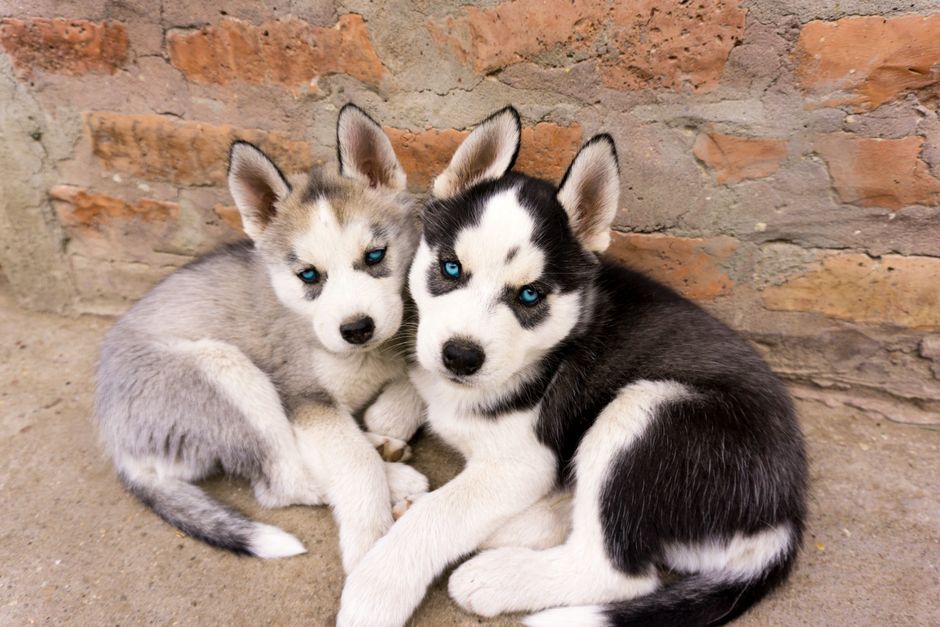
These foundational strategies will make all behavior training more effective.
- Start early: Puppies are most receptive between 8-16 weeks. Enroll in a puppy class.
- Positive reinforcement: Use treats, praise, and play. Avoid harsh punishments—Huskies become resentful.
- Keep sessions short: 5-10 minutes, multiple times per day.
- Exercise first: A tired puppy learns better.
- Socialize widely: Expose to different people, places, sounds, and well-mannered dogs.
When to Seek Professional Help
If your Husky puppy's behavior problems escalate—aggression, severe resource guarding, or extreme fear—consult a certified dog trainer or veterinary behaviorist. Some issues may be rooted in pain or medical conditions, so a vet check is wise.
Conclusion
Raising a Siberian Husky puppy is rewarding but requires patience, consistency, and understanding of their unique nature. By addressing behavior problems early with the right techniques, you'll build a strong bond and a well-mannered adult dog. Remember, every challenge is an opportunity to deepen your relationship. Stay calm, be persistent, and enjoy the journey—your Husky will thank you with loyalty and love.
Recommended Products for Your Husky
As an Amazon Associate, we earn from qualifying purchases. Learn more.
- Puppy Starter Kit — Check price on Amazon
- Puppy Crate — Check price on Amazon
- Puppy Toys — Check price on Amazon
Frequently Asked Questions
When can Husky puppies leave their mother?
Not before 8 weeks — earlier weaning harms socialization. Many breeders hold to 10–12 weeks for stability.
How much sleep does a Husky puppy need?
Up to 18–20 hours a day. Over-tired puppies bite and crash; enforce naps in the crate.
When should vaccinations start?
The first round is usually at 6–8 weeks, then boosters every 3–4 weeks until 16 weeks. Avoid dog parks until complete.
Editor's Note
We've learned the hard way that husky puppies need a six-foot fence, not four. The escape artists we manage all started with a climbable boundary. Bury chicken wire along the line and thank us later.
Sources & Further Reading
HuskySpot researches each topic against recognized breed and veterinary authorities. The following organizations inform our content: