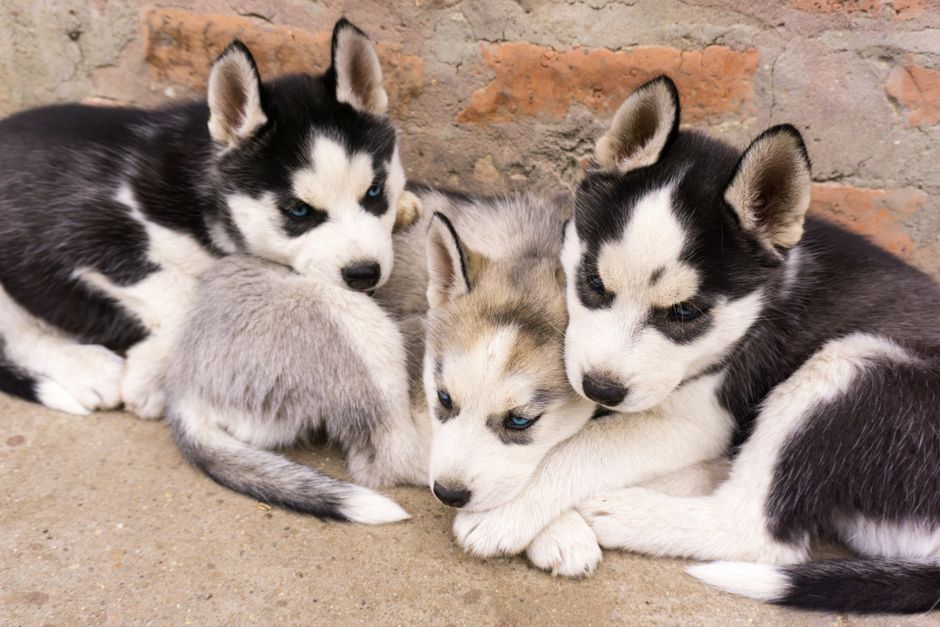
Understanding Why Your Husky Puppy Barks at Strangers
Husky puppies are naturally vocal and expressive, but barking at strangers can be a common concern for new owners. This behavior often stems from a combination of instinct, lack of socialization, fear, or excitement. Huskies were bred as working dogs in harsh environments, and they possess strong protective instincts. However, inappropriate barking can develop into a nuisance if not addressed early. Understanding the root cause is the first step to correcting the behavior.
Common Triggers for Barking at Strangers
- Fear or Anxiety: A puppy that hasn't been exposed to different people may perceive strangers as threats.
- Alertness: Huskies are naturally alert; they bark to notify you of someone approaching.
- Excitement: Some puppies bark out of joy and anticipation when they see new faces.
- Territorial Behavior: Even at a young age, puppies can feel protective of their home and family.
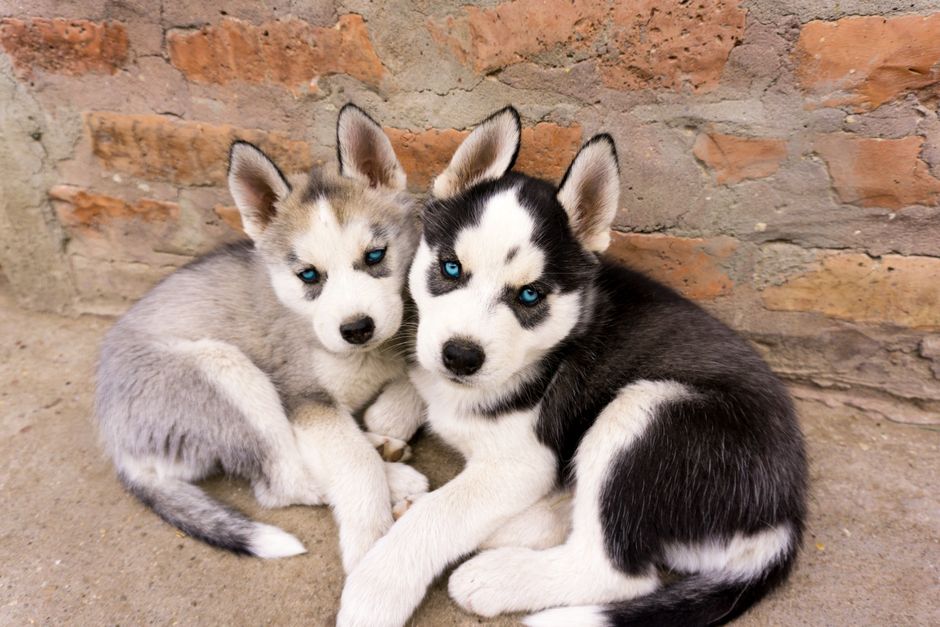
The Difference Between Alert Barking and Aggressive Barking
It's crucial to differentiate between these two types of barking. Alert barking is typically short, high-pitched, and stops once you acknowledge the visitor. Aggressive barking is deeper, continuous, and often accompanied by growling or stiff body language. Puppies rarely show true aggression, but early intervention is key to prevent escalation. Observe your puppy's posture: a wagging tail and relaxed body suggest excitement, while a tucked tail and raised hackles indicate fear.
How to Socialize Your Husky Puppy Properly
Socialization is the most effective way to reduce fear-based barking. The critical socialization window for puppies is between 3 and 16 weeks of age. During this period, expose your husky to several people, environments, and sounds in a positive manner.
Step-by-Step Socialization Plan
- Start at home: Invite friends of different ages, genders, and appearances to meet your puppy. Have them offer treats and use a calm voice.
- Use positive reinforcement: Reward your puppy for calm behavior around strangers. If they bark, redirect to a toy or command like “sit” before giving a treat.
- Gradual exposure: Begin with quiet settings and slowly increase the level of distraction. Use short, frequent sessions to avoid overwhelming your puppy.
- Puppy classes: Enroll in a reputable puppy kindergarten class where supervised interactions are common.
Training Techniques to Reduce Unnecessary Barking
Training should focus on teaching your husky puppy an alternative behavior to barking.
The “Quiet” Command
Wait for a moment of silence, say “quiet” in a firm but calm voice, and reward with a treat. Practice in short sessions, gradually increasing the duration of silence required. Once reliable, use it when a stranger approaches.
Desensitization and Counterconditioning
Pair the presence of a stranger with something positive, like high-value treats. Start with the stranger at a distance where your puppy notices but doesn't bark. Reward calm behavior, then slowly decrease the distance. This changes your puppy's emotional response from fear to anticipation.
The “Look at Me” Cue
Teach your puppy to make eye contact with you when they see a stranger. This redirects their attention and gives you the opportunity to reward them for not barking.
Common Mistakes to Avoid
| Mistake | Why It's Counterproductive |
|---|---|
| Yelling or punishing | Increases anxiety and may reinforce the barking as attention. |
| Forcing interactions | Can worsen fear; always let the puppy approach at their own pace. |
| Inconsistent rules | Confuses the puppy; if you sometimes allow barking, they won't learn when it's acceptable. |
| Using aversive collars | Can cause pain and fear, leading to aggression. |
When to Seek Professional Help
If your husky puppy's barking escalates to growling, snapping, or if you feel unsafe, consult a certified professional dog trainer or a veterinary behaviorist. They can assess underlying issues and create a tailored plan. Also, if the barking is accompanied by destructive behavior or extreme fear, professional guidance is warranted.
Conclusion
Husky puppy barking at strangers is a manageable behavior with early socialization and consistent positive reinforcement training. patience is key – huskies are intelligent but independent. By understanding the reasons behind the barking and applying these techniques, you can help your puppy become a calm and well-adjusted adult dog. Celebrate small victories and continue building a strong bond based on trust and respect.
Recommended Products for Your Husky
As an Amazon Associate, we earn from qualifying purchases. Learn more.
- Puppy Starter Kit — Check price on Amazon
- Puppy Crate — Check price on Amazon
- Puppy Toys — Check price on Amazon
Frequently Asked Questions
When can Husky puppies leave their mother?
Not before 8 weeks — earlier weaning harms socialization. Many breeders hold to 10–12 weeks for stability.
How much sleep does a Husky puppy need?
Up to 18–20 hours a day. Over-tired puppies bite and crash; enforce naps in the crate.
When should vaccinations start?
The first round is usually at 6–8 weeks, then boosters every 3–4 weeks until 16 weeks. Avoid dog parks until complete.
Editor's Note
We've learned the hard way that husky puppies need a six-foot fence, not four. The escape artists we manage all started with a climbable boundary. Bury chicken wire along the line and thank us later.
Sources & Further Reading
HuskySpot researches each topic against recognized breed and veterinary authorities. The following organizations inform our content: