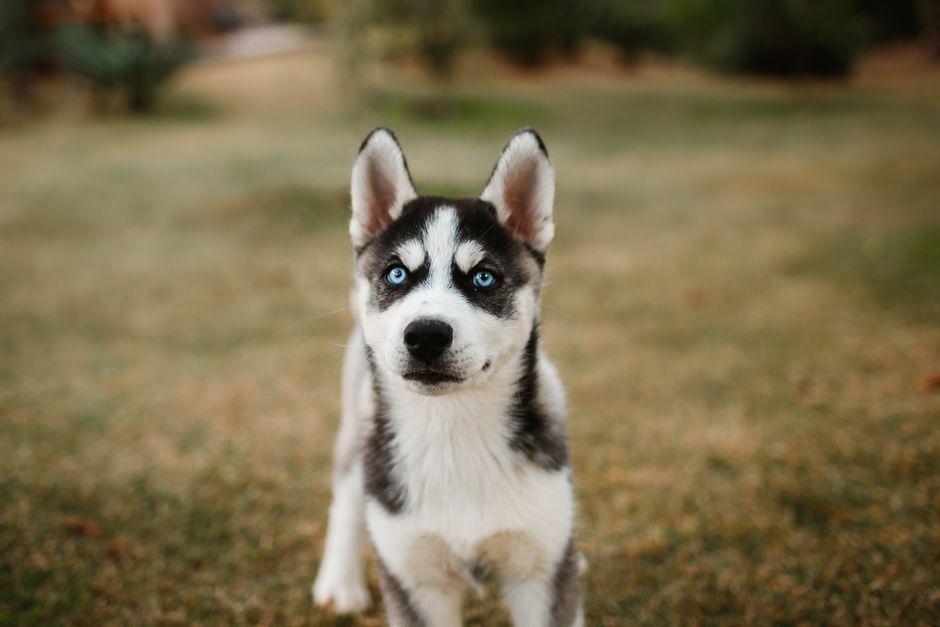
Why Do Husky Puppies Jump on People?
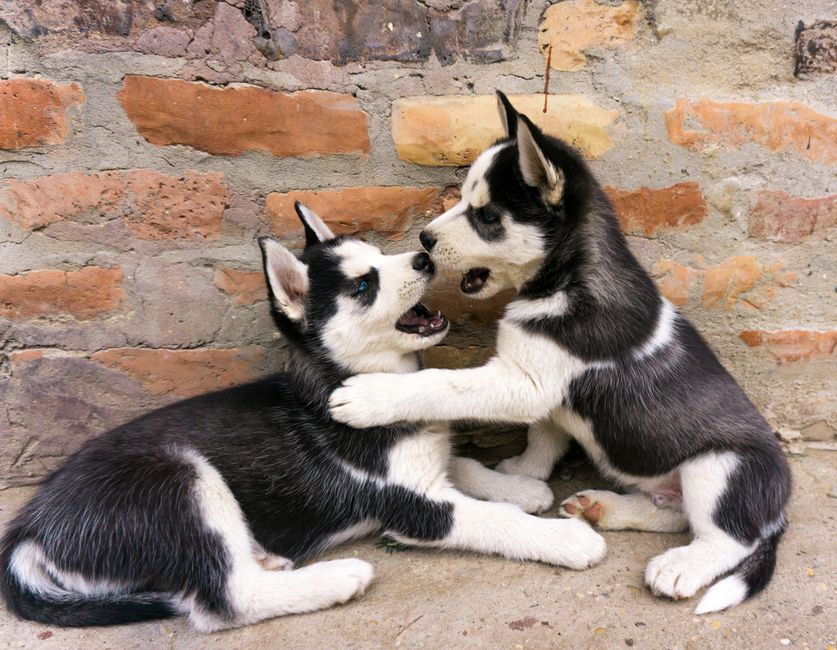
Jumping is a natural behavior for husky puppies. As pack animals, they jump to greet members of their pack face-to-face. In the wild, puppies jump to lick their mother's mouth to stimulate regurgitation of food. However, in a human home, this behavior can be annoying, dangerous (especially for children or elderly), or ruin clothes. Understanding the root cause is the first step to correcting it.
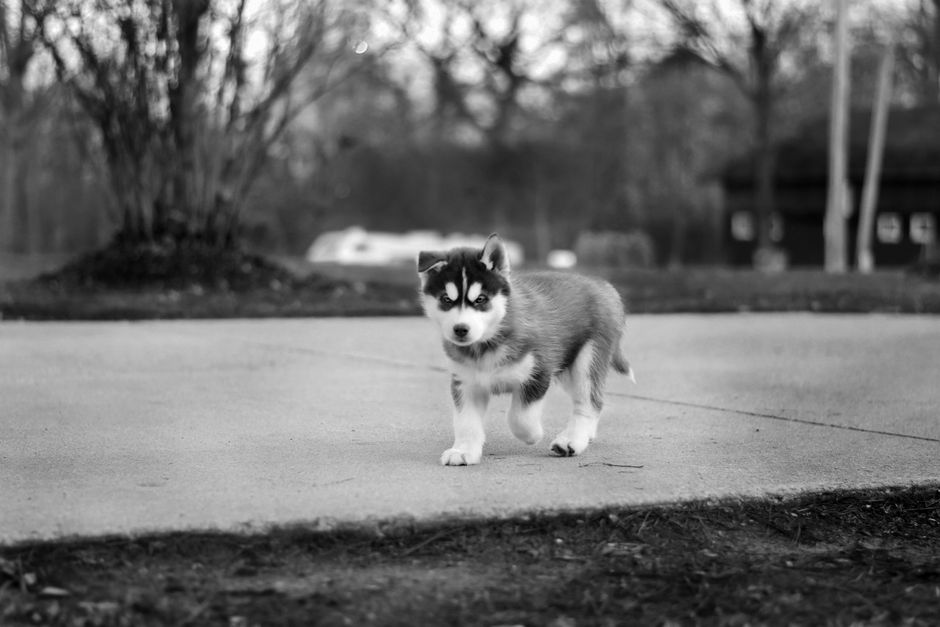
The Importance of Early Training
Start training your husky puppy as soon as you bring them home. The sooner you address jumping, the easier it is to prevent it from becoming a lifelong habit. Huskies are intelligent but stubborn, so consistent, positive reinforcement methods work best.
Training Techniques to Stop Jumping
1. The "Off" Command
Teach your puppy a clear "off" command. When they jump, say "off" firmly, then immediately turn your back and ignore them. Do not push them away or make eye contact; any attention can be rewarding. Wait until all four paws are on the floor, then calmly praise and give a treat.
2. Reward Four on the Floor
Whenever your puppy approaches you with all feet on the ground, reward them with treats and affection. This reinforces the behavior you want. Use high-value treats like chicken or cheese to make the contrast clear.
3. Use a Leash for Control
When guests arrive, keep your puppy on a leash. Stand on the leash so they have enough slack to sit or lie down, but not enough to jump. If they try to jump, the leash prevents them from making contact. Once they calm down, reward.
4. Teach an Alternative Behavior
Instead of jumping, teach your puppy to sit when greeting. Ask for a sit before any petting or attention. If they jump, immediately stop interaction. This teaches that sitting gets rewards, while jumping gets nothing.
5. Exercise and Mental Stimulation
A tired husky is a well-behaved husky. Ensure your puppy gets enough physical exercise (walks, runs) and mental stimulation (puzzle toys, training sessions). A bored puppy is more likely to jump for attention.
Common Mistakes to Avoid
- Yelling or pushing: This can be seen as play or aggression, escalating the behavior.
- Inconsistent rules: If you allow jumping sometimes but not others, your puppy will be confused.
- Ignoring the behavior completely: Some huskies interpret ignoring as a challenge, so be sure to give an alternative.
When Guests Arrive
Have guests ignore your puppy until they calm down. Instruct guests to turn away if jumped on. Use a baby gate or crate if your puppy is too excited. After a few minutes of calm, allow gentle greetings with a treat.
The Role of Impulse Control
Huskies have high energy and low impulse control. Work on exercises like "leave it," "stay," and "wait" to build self-control. A puppy who can wait for your cue to go through a door is less likely to jump on people.
Age and Developmental Stages
| Age | Typical Jumping Behavior | Training Focus |
|---|---|---|
| 8-12 weeks | Exploratory jumping, excited greetings | Basic commands, socialization |
| 3-6 months | Teething, testing boundaries | Consistency, impulse control |
| 6-12 months | Adolescence, stubbornness | Reinforce basics, manage environment |
Tools and Aids
- Head halter: Gentle control; use with proper introduction.
- Harness with front clip: Reduces pulling and jumping.
- Treat pouch: Keep rewards handy for immediate reinforcement.
What If Training Doesn’t Work?
If your husky puppy continues jumping despite consistent training, consider consulting a professional dog trainer or behaviorist. Sometimes underlying anxiety or excitement issues need specialized help.
Recommended Products for Your Husky
As an Amazon Associate, we earn from qualifying purchases. Learn more.
- Puppy Starter Kit — Check price on Amazon
- Puppy Crate — Check price on Amazon
- Puppy Toys — Check price on Amazon
Final Thoughts
Jumping is a common puppy problem, but with patience and consistency, your husky can learn polite greetings. Always use positive reinforcement; never punish. Remember, your puppy isn’t being bad—they are simply acting on instinct. Guide them gently toward better choices.