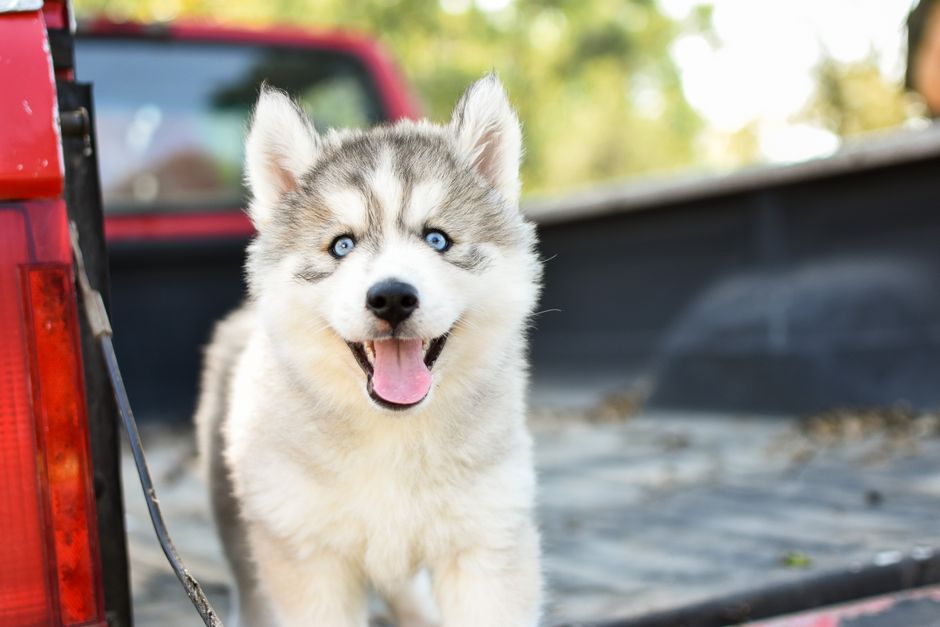
Introduction: The Sled Dog That Lives in Your Living Room
If you own a Siberian Husky puppy, you know the struggle: as soon as you clip on the leash, your adorable furball transforms into a miniature sled dog, nose to the ground, pulling forward with surprising strength. This breed was built to pull sleds across snow, so pulling is in their DNA. But with the right techniques, you can teach your husky puppy to walk politely on a loose leash. This guide covers everything from understanding the root cause to step-by-step training methods and common pitfalls.
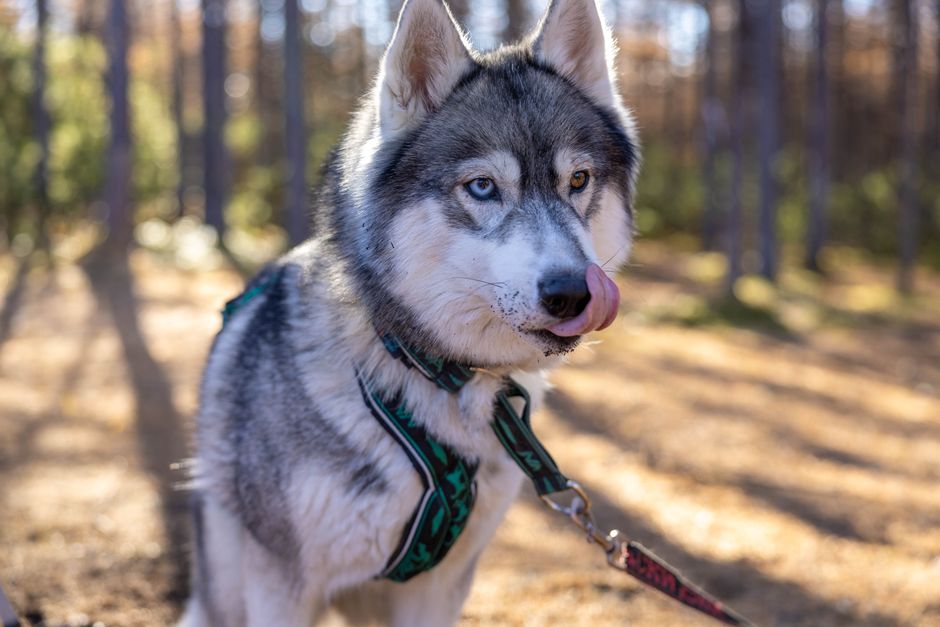
Understanding Why Your Husky Puppy Pulls
Huskies are working dogs bred for endurance and pulling. Their instinct is to lean into the harness and go. A pulling husky puppy is not being naughty—he’s just doing what generations of sled dogs have done. Additionally, puppies have short attention spans and high energy levels. Pulling can also be a result of excitement, lack of training, or improper gear. Recognizing that this behavior is natural helps you approach training with patience rather than frustration.
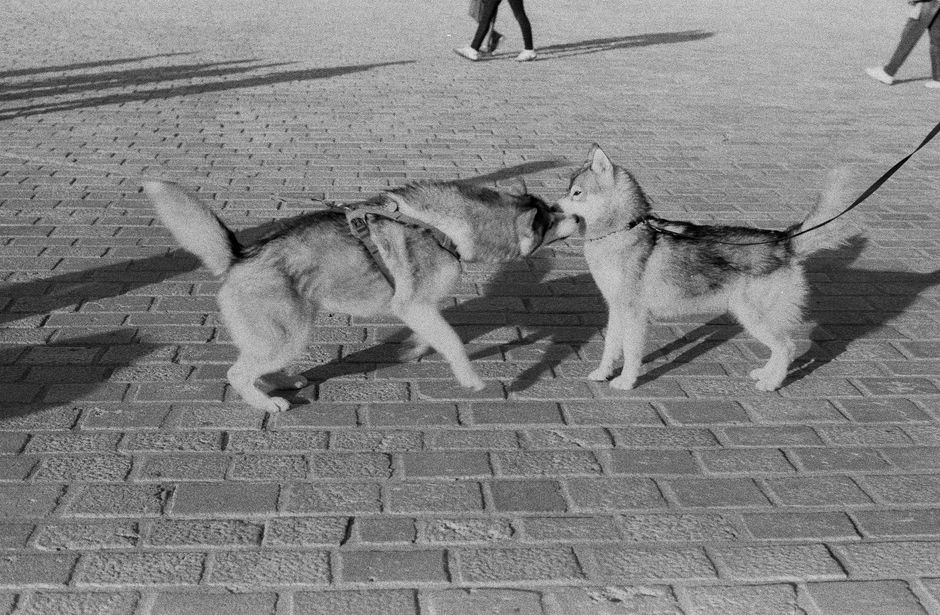
Start Early: The Foundation of Loose-Leash Walking
Begin leash training indoors or in a quiet, low-distraction area. The goal is to teach your puppy that walking next to you (heel position) is rewarding. Use high-value treats like small pieces of chicken or cheese. Start by letting your puppy wear a lightweight collar or harness indoors to get used to it. Then, clip on a light leash and let them drag it around under supervision. This desensitizes them to the feel of the leash.
Essential Gear for Leash Training
Harness vs. Collar
A standard collar can put pressure on a husky’s trachea if they pull. Instead, use a front-clip harness (like the Walk Your Dog With Love harness) or a head halter (like Halti or Gentle Leader). Front-clip harnesses gently redirect your puppy’s front end back toward you when they pull. Head halters work similarly but require more careful conditioning.
Leash Choice
Use a standard 4–6 foot leash made of nylon or leather. Avoid retractable leashes during training because they encourage pulling and can be dangerous for both of you. A longer leash (15–30 feet) can be used in secure, open spaces for recall practice but not for street walking.
Gear Comparison Table
| Gear Type | Pros | Cons |
|---|---|---|
| Flat collar | Simple, cheap | Risk of trachea injury, encourages pulling |
| Front-clip harness | Discourages pulling, safe | Can restrict shoulder movement if poorly designed |
| Head halter | Great control, gentle | Requires desensitization, can slip off |
Step-by-Step Leash Training Techniques
1. The 'Stop and Go' Method
When your puppy pulls, stop dead in your tracks. Don’t move until the leash is loose again (even if they sit or turn back to look at you). Mark the loose leash with a clicker or say “yes!” and reward. Then take a few steps forward. Repeat. This teaches that pulling stops the fun, and loose leash means forward movement.
2. Changing Direction
Instead of stopping, abruptly turn 180 degrees and walk the other way. Your puppy will be caught off guard and will follow. Every time they pull, surprise them with a turn. This keeps them guessing and forces them to pay attention to you rather than forging ahead.
3. The 'Look at Me' Cue
Teach your puppy to make eye contact on cue. Hold a treat near your eyes and say “watch me.” Once they consistently look, use it during walks when you see a distraction. Reward sustained eye contact. This shifts focus from the environment to you.
4. Positive Reinforcement for LooseLeash Position
Reward your puppy for staying in the 'heel' position (by your side) even for a few steps. Use a hand target (hold a treat in your hand near your leg) to encourage them to walk with their shoulder aligned with your leg. Gradually increase the number of steps between rewards.
Advanced Tips for Stubborn Huskies
If your puppy is particularly strong-willed, consider reducing energy before walks. Engage in a short fetch or play session to burn off some of that Husky energy before leash training. Also, work on impulse control games like 'leave it' and 'stay' at doorways. Huskies are intelligent; they need mental stimulation as much as physical exercise. Use puzzle toys and training sessions throughout the day.
Managing Distractions
Start in boring environments and gradually add distractions. Recruit a friend with a calm dog to practice parallel walking. Use the 'penalty yard' technique: if your puppy pulls, turn and walk back to the start of the session (like returning to the car). This teaches that pulling ends the walk.
Common Mistakes to Avoid
- Allowing pulling to continue: Every time your puppy pulls and you keep walking, you reinforce the pulling.
- Using punishment: Yelling, yanking, or prong collars can cause fear and aggression. Huskies respond poorly to harsh methods.
- Inconsistent rules: If you allow pulling on some walks but not others, your puppy gets confused.
- Too long walks for a puppy: A puppy’s joints need controlled exercise. Keep training sessions short (5–10 minutes) and end on a positive note.
- Skipping the warm-up: Let your puppy sniff and explore for a few minutes before training. A satisfied nose is less likely to pull.
When to Seek Professional Help
If your husky puppy’s pulling is extreme or you’ve tried consistent training for several weeks without progress, consult a positive-reinforcement trainer who understands the breed. Also, consult a vet if you suspect physical issues like hip dysplasia that might cause discomfort when walking.
Conclusion
Leash training a husky puppy takes time, consistency, and a lot of treats. But the payoff of peaceful, enjoyable walks is immense. Remember, your puppy isn't trying to be difficult—he’s following his instincts. By redirecting those instincts with patience and positive methods, you’ll build a trusting bond and a walking partner for life. Start today, stay consistent, and soon those pulling episodes will be a thing of the past.
Recommended Products for Your Husky
As an Amazon Associate, we earn from qualifying purchases. Learn more.
- Heavy Duty Dog Leash — Check price on Amazon
- Retractable Leash — Check price on Amazon
- Double-Handle Leash — Check price on Amazon
Frequently Asked Questions
How much sleep does a Husky puppy need?
Up to 18–20 hours a day. Over-tired puppies bite and crash; enforce naps in the crate.
When should vaccinations start?
The first round is usually at 6–8 weeks, then boosters every 3–4 weeks until 16 weeks. Avoid dog parks until complete.
How do I socialize a Husky puppy?
Expose them to sounds, surfaces, people, and calm dogs before 16 weeks. Positive experiences now prevent fear later.
Editor's Note
In our experience the four-month fear period blindsides owners. A puppy who loved the vacuum suddenly trembles. We tell clients: don't force it, let them approach. Pushing through it cemented the fear in two cases we handled.
Sources & Further Reading
HuskySpot researches each topic against recognized breed and veterinary authorities. The following organizations inform our content: