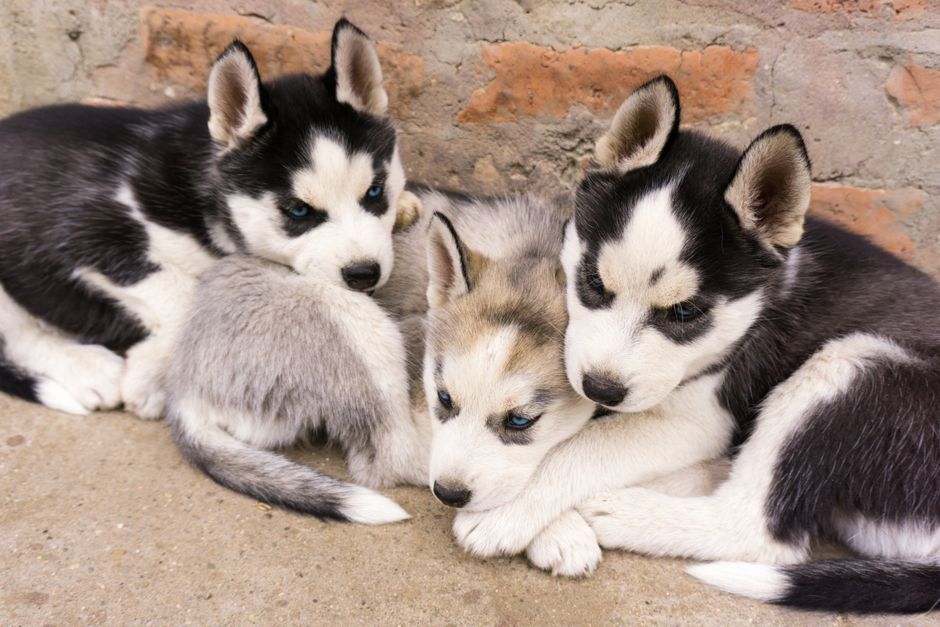
Understanding Fleas and Their Impact on Husky Puppies
Fleas are more than just a nuisance for your Husky puppy; they can cause serious health issues. These tiny parasites feed on blood, leading to itching, allergic reactions, anemia, and even tapeworms. For a growing Husky puppy, a severe flea infestation can stunt growth and cause significant discomfort. Because Huskies have a thick double coat, fleas can hide and multiply quickly, making early detection and treatment crucial.
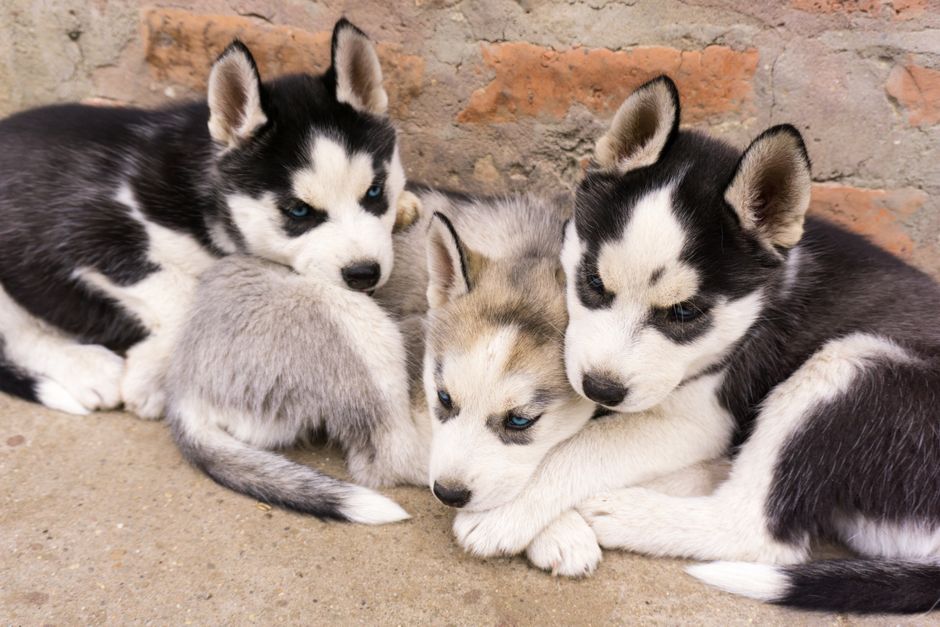
Signs Your Husky Puppy Has Fleas
Watch for these common indicators:
- Excessive scratching, biting, or licking – especially around the tail, back, and hind legs.
- Red, irritated skin or small bumps (flea allergy dermatitis).
- Flea dirt – tiny black specks that turn reddish on a wet paper towel (flea feces).
- Visible fleas – fast-moving dark brown insects, often seen on the belly or inner thighs.
- Hair loss or hot spots from constant scratching.
- Pale gums – a sign of anemia (common in very young puppies with heavy infestations).
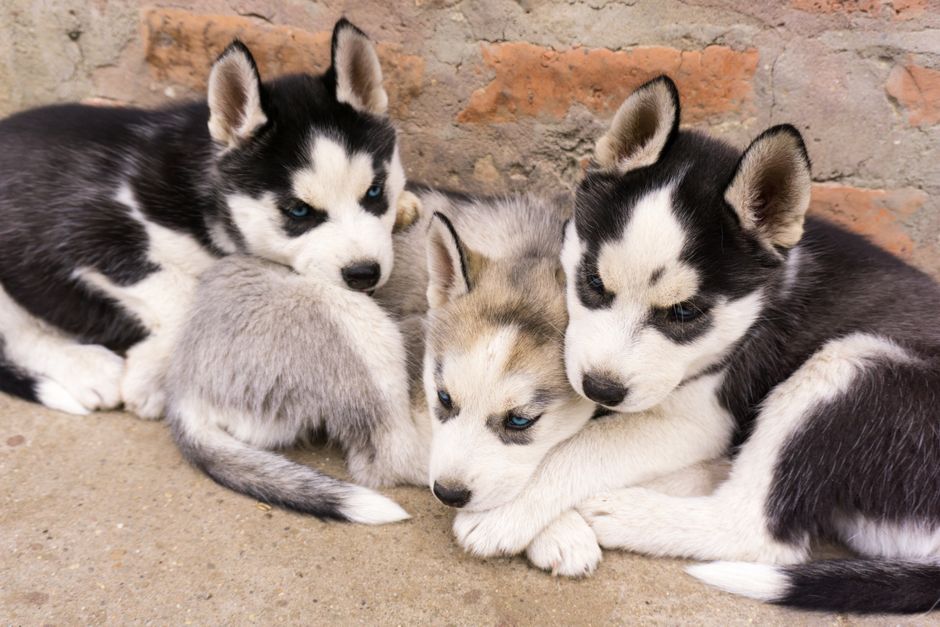
Safe Flea Treatment Options for Husky Puppies
Not all flea treatments are safe for puppies. Always check the label for age and weight restrictions. Below is a comparison of common treatment types.
| Type | Pros | Cons | Age/Weight Guidelines |
|---|---|---|---|
| Topical Spot-On | Easy to apply; long-lasting (30 days); kills fleas quickly. | Can irritate sensitive skin; may leave residue; some require fleas to bite to die. | Usually safe for puppies ≥8 weeks and ≥2-4 lbs. |
| Oral Tablets | Fast-acting (within 30 minutes); no residue; good for severe infestations. | Must be swallowed; some puppies may vomit; requires prescription for some brands. | Safe for puppies ≥8 weeks and ≥2 lbs (check specific product). |
| Flea Shampoos | Immediate relief; kills fleas on contact; gentle formulas available. | Only kills fleas at bath time; no lasting protection; may dry out coat. | Safe for puppies ≥12 weeks (some as young as 2 weeks with mild formula). |
| Flea Collars | Long-lasting (up to 8 months); water-resistant; continuous protection. | Some have strong odor; can cause skin irritation; risk of entanglement. | Safe for puppies ≥12 weeks (some from 6 weeks). |
Always consult your veterinarian before starting any new treatment, especially for puppies under 8 weeks old. Products containing permethrin are toxic to cats but safe for dogs; however, they are not recommended for very young puppies.
Natural and Home Remedies for Flea Control
While natural remedies can help reduce flea populations, they are rarely sufficient for an active infestation. Use them as supplemental measures:
- Diatomaceous earth (food grade) – Sprinkle on your puppy's bedding and vacuum after a few hours. Do not apply directly to your puppy's skin as it can be drying.
- Apple cider vinegar spray – Mix equal parts water and apple cider vinegar; spray lightly on your puppy's coat (avoid eyes and open wounds). It may repel fleas but won't kill them.
- Regular combing with a flea comb – Use a fine-toothed comb daily to catch adult fleas and flea dirt. Dip the comb in soapy water to kill fleas.
- Lemon spray – Boil sliced lemons in water, let steep overnight, and use as a rinse. Citric acid can repel fleas but is not a long-term solution.
Caution: Never use essential oils (tea tree, eucalyptus, etc.) undiluted or on puppies without veterinary approval, as they can be toxic.
Step-by-Step Guide to Treating Fleas on Your Husky Puppy
Follow these steps for effective flea removal:
- Identify the infestation level – Use a flea comb to check the severity. If you see dozens of fleas or flea dirt, start treatment immediately.
- Give a flea bath – Use a gentle puppy-safe flea shampoo (e.g., with oatmeal or mild insecticidal soap). Lukewarm water, massage thoroughly, especially around the neck, back, and tail. Let the shampoo sit for 5-10 minutes for better kill. Rinse well.
- Apply a topical or oral treatment – After the bath (and once the coat is dry), apply a vet-recommended spot-on treatment or give an oral tablet. Follow package instructions exactly.
- Comb daily – Use a flea comb to remove dead fleas and eggs. Clean the comb with hot water between strokes.
- Wash all bedding – Wash your puppy's bedding, blankets, and soft toys in hot water with detergent. Dry on high heat.
- Vacuum thoroughly – Vacuum carpets, rugs, upholstery, and cracks in flooring. Dispose of the vacuum bag or empty the canister outside immediately.
- Repeat treatment – Flea life cycles can last several weeks. Repeat the treatment as directed (usually monthly). If using a spot-on, don't bathe your puppy for 48 hours after application to allow absorption.
Preventing Future Flea Infestations
Prevention is easier than treatment. Implement these habits:
- Year-round flea preventive – Use a monthly topical or oral product even in winter (fleas survive indoors).
- Regular grooming – Brush your Husky puppy's coat weekly. The dense double coat can hide fleas; grooming helps detect them early.
- Keep your environment clean – Vacuum regularly, wash bedding every 1-2 weeks, and treat your yard with nematodes (natural flea predators) if you have outdoor space.
- Avoid contact with infested animals – Keep your puppy away from stray dogs, wildlife, and other pets that might have fleas.
- Use a flea comb during checks – Weekly combing can catch fleas before they multiply.
When to Consult a Veterinarian
See a vet if:
- Your puppy is less than 8 weeks old (veterinary guidance is essential).
- Your puppy shows signs of anemia (pale gums, weakness, lethargy).
- Over-the-counter treatments aren't working after two rounds.
- Your puppy has a severe skin infection, hair loss, or open sores.
- You're unsure which product is safe for your puppy's age/weight.
Your vet can prescribe fast-acting oral treatments like Capstar (nitenpyram) or recommend safe topical products like Revolution (selamectin) for young puppies.
Frequently Asked Questions
Can I use a flea treatment meant for adult dogs on my Husky puppy?
No. Adult dog treatments often have higher concentrations of active ingredients that can be toxic to puppies. Always use products labeled for puppies or ask your vet for a safe alternative.
How soon will I see results after treatment?
Topical treatments can kill fleas within 12-24 hours. Oral tablets work in 30 minutes to 6 hours. However, it may take weeks to eliminate all life stages (eggs, larvae).
Are home remedies safe for my Husky puppy?
Some are safe when used carefully (e.g., flea combing, diatomaceous earth on bedding). But many home remedies (e.g., garlic, essential oils) are toxic to dogs. Stick to vet-approved methods.
My Husky puppy still has fleas after treatment. What should I do?
Check if you applied the product correctly, used the right weight dose, and treated the environment. If the infestation persists, consult your vet for a different product or additional steps.
Conclusion
Flea treatment for your Husky puppy doesn't have to be stressful. By recognizing the signs early, choosing a safe product, and maintaining a clean environment, you can keep your puppy comfortable and healthy. Always prioritize veterinary advice, especially for very young puppies or heavy infestations. With consistent prevention, your Husky can grow up flea-free and happy.
Recommended Products for Your Husky
As an Amazon Associate, we earn from qualifying purchases. Learn more.
- Healthy Dog Treats — Check price on Amazon
- Dental Chews — Check price on Amazon
- Training Treats — Check price on Amazon
Editor's Note
We've learned the hard way that husky puppies need a six-foot fence, not four. The escape artists we manage all started with a climbable boundary. Bury chicken wire along the line and thank us later.
Sources & Further Reading
HuskySpot researches each topic against recognized breed and veterinary authorities. The following organizations inform our content: