Husky puppies are undeniably adorable, with their fluffy coats and striking blue eyes. However, their needle-sharp teeth and tendency to bite everything in sight can quickly turn that adoration into frustration. If you're currently dealing with a nippy little furball, take heart: this behavior is normal and can be managed with the right approach. In this comprehensive guide, we'll explore why husky puppies bite, when the phase typically ends, and most importantly, how to train your puppy to stop biting.
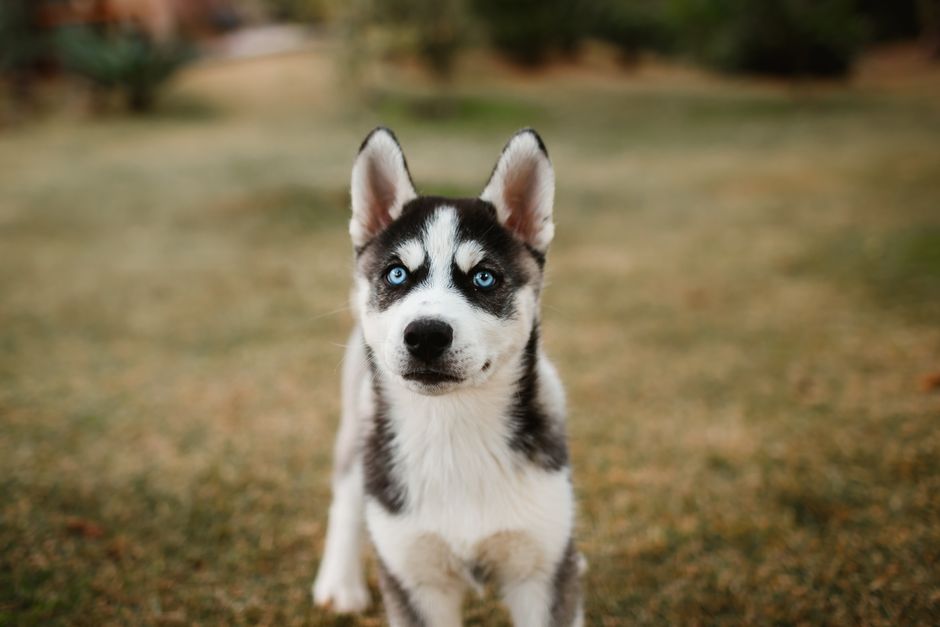
Why Do Husky Puppies Bite?
Understanding the reasons behind biting is the first step to addressing it. Here are the primary causes:
- Teething: Like human babies, puppies go through a teething phase where their gums are sore. Chewing and biting provide relief. This usually occurs between 3-6 months of age.
- Exploration: Puppies explore the world with their mouths. They have no hands, so they use their teeth to investigate objects, including your hands and feet.
- Play and Energy: Huskies are high-energy dogs. Biting is often part of their play behavior, especially in littermates. They learn bite inhibition from their siblings, and when taken away too early, they may not have learned that skill fully.
- Herding Instincts: Huskies have a strong prey drive and may nip at heels or ankles to herd you, especially when excited.
- Attention-Seeking: If biting gets a reaction, even a negative one, your puppy may repeat it to get your attention.
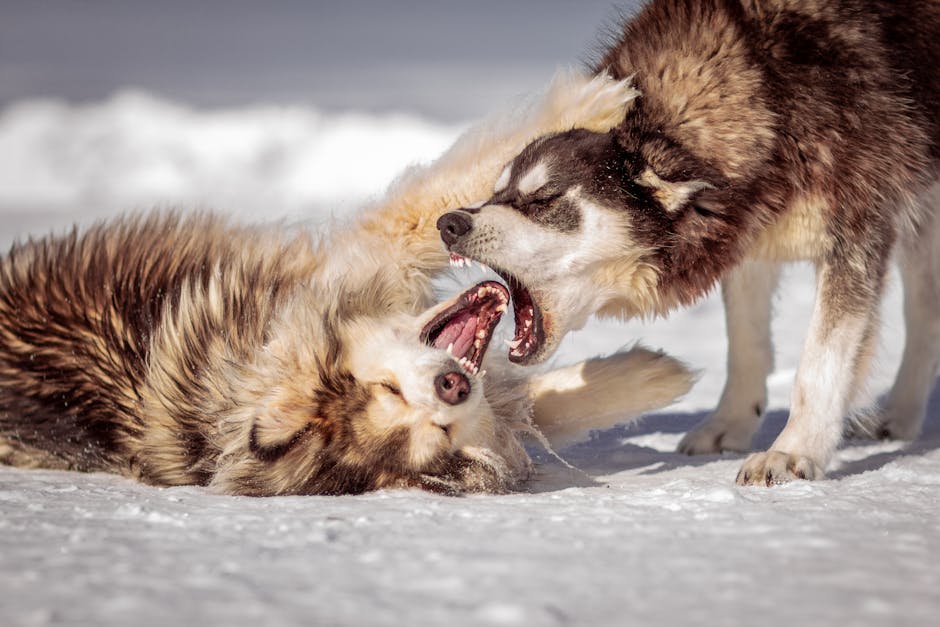
When Does the Biting Phase Start and End?
The biting phase typically starts around 8 weeks of age when you bring your puppy home. It intensifies during teething (3-6 months) and usually subsides after all adult teeth have come in, around 6-7 months. However, if not properly trained, the habit can persist. Consistent training is important for ensure your husky outgrows this behavior.
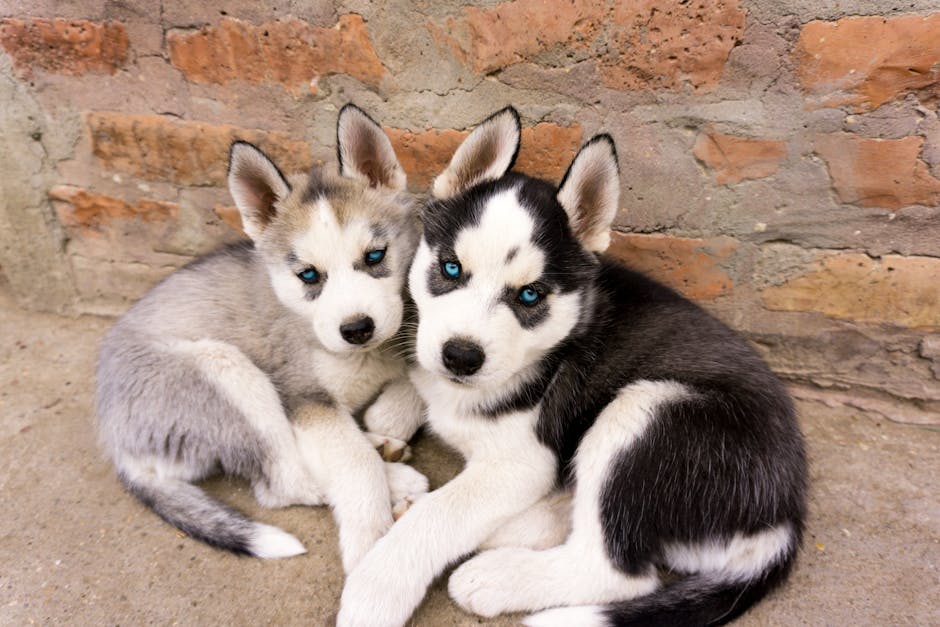
How to Stop Husky Puppy Biting
Effective training requires patience and consistency. Here are proven techniques:
1. Redirect with Toys
Whenever your puppy starts biting your hand or clothing, immediately offer an appropriate chew toy. This teaches them what is acceptable to bite. Keep several toys handy—soft plush toys, rubber bones, and interactive puzzles. When they chew on the toy, praise them warmly.
2. Socialization and Bite Inhibition
Socialize your puppy with other vaccinated dogs and puppies. In play, if a puppy bites too hard, the other dog will yelp and stop playing. This natural feedback teaches bite inhibition. You can mimic this by letting out a high-pitched "ow!" and withdrawing your attention for a few seconds when your puppy bites too hard.
3. Use Time-Outs
If redirecting doesn't work, calmly remove yourself from the situation. Place your puppy in a quiet, puppy-proofed room (like a bathroom or playpen) for 30-60 seconds. This teaches that biting leads to a loss of social interaction. After the time-out, release them and try again.
4. Avoid Punishment
Never hit, yell at, or physically punish your puppy for biting. This can increase fear and aggression, damaging your bond. Huskies respond best to positive reinforcement. Reward desired behavior with treats and affection.
Common Mistakes to Avoid
- Using hands as toys: If you play rough with your hands, your puppy learns that hands are for mouthing. Always use toys instead.
- Inconsistency: All family members must use the same rules. If one person allows biting and another doesn't, it confuses the puppy.
- Ignoring the cause: Sometimes biting stems from over-tiredness, hunger, or over-stimulation. Make sure your puppy is getting enough sleep (18-20 hours for young puppies) and has a routine.
- Stopping socialization: Don't isolate your puppy because it bites. Proper socialization actually helps reduce biting.
When to Seek Professional Help
If your puppy's biting is severe, draws blood, or is accompanied by growling with stiff body language, consider consulting a certified professional dog trainer or veterinary behaviorist. Some husky puppies may have underlying anxiety or lack proper bite inhibition that requires expert guidance.
Teething and Chewing: Tips for Relief
To help your teething husky, provide plenty of cold or frozen toys. Wet a washcloth and freeze it, then give it to your puppy to chew on. Frozen carrots or specifically designed teething rings can also soothe tender gums. Always supervise to avoid choking hazards.
Remember: your husky puppy is not biting to be mean. It's a natural phase that you can guide them through. With patience, consistency, and positive training, your little land shark will grow into a well-mannered dog who only uses their mouth for kisses and toys.
Recommended Products for Your Husky
As an Amazon Associate, we earn from qualifying purchases. Learn more.
- Puppy Starter Kit — Check price on Amazon
- Puppy Crate — Check price on Amazon
- Puppy Toys — Check price on Amazon
Frequently Asked Questions
How much sleep does a Husky puppy need?
Up to 18–20 hours a day. Over-tired puppies bite and crash; enforce naps in the crate.
When should vaccinations start?
The first round is usually at 6–8 weeks, then boosters every 3–4 weeks until 16 weeks. Avoid dog parks until complete.
How do I socialize a Husky puppy?
Expose them to sounds, surfaces, people, and calm dogs before 16 weeks. Positive experiences now prevent fear later.
Editor's Note
In our experience the four-month fear period blindsides owners. A puppy who loved the vacuum suddenly trembles. We tell clients: don't force it, let them approach. Pushing through it cemented the fear in two cases we handled.
Sources & Further Reading
HuskySpot researches each topic against recognized breed and veterinary authorities. The following organizations inform our content: