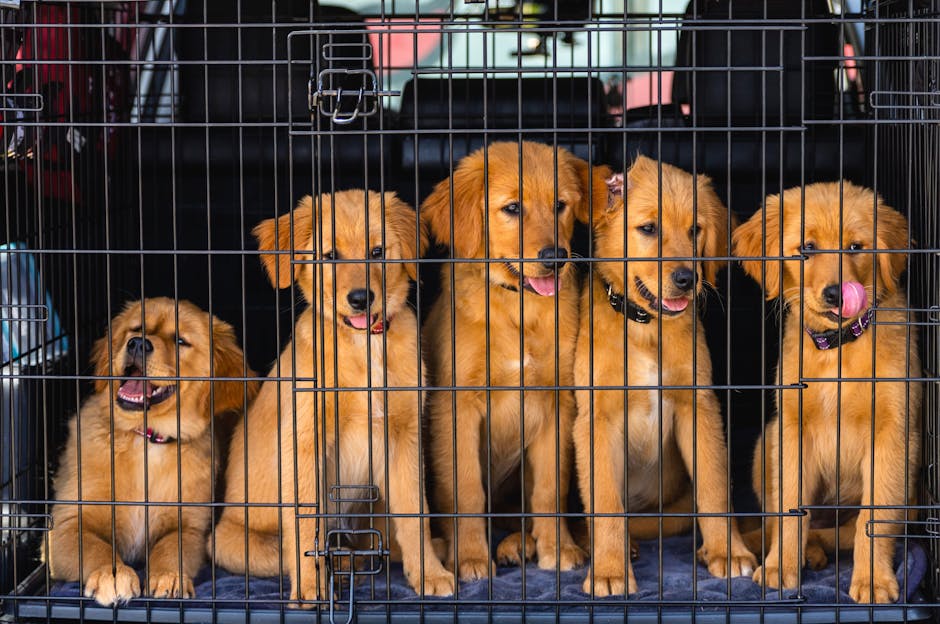
Why Crate Training is important for Your Husky Puppy
Crate training is one of the most effective ways to housebreak your husky puppy, provide a safe den, and prevent destructive behaviors. Huskies are intelligent, energetic, and independent—traits that can make training challenging without structure. A crate mimics a den, satisfying your puppy's natural instinct to keep their sleeping area clean. It also prevents accidents when you can't supervise, reduces separation anxiety, and keeps your pup safe from household hazards. When done correctly, crate training creates a positive association and a lifelong coping mechanism for your husky.
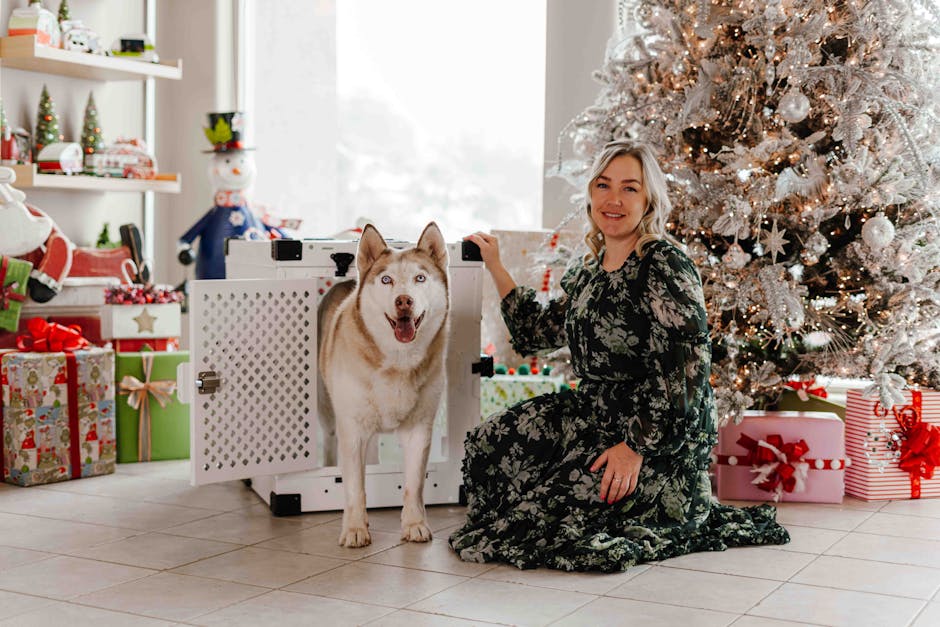
Choosing the Right Crate for Your Husky
Selecting the appropriate crate is critical. Huskies are medium-large dogs that need enough room to stand, turn around, and lie down comfortably—but not so large that they can use one end as a bathroom. Measure your puppy's adult size (typically 21–24 inches tall at the shoulder) and choose a crate accordingly. Consider these types:
- Wire Crates: Best for ventilation and visibility; many come with a divider to adjust space as your puppy grows.
- Plastic Crates (airline-approved): Cozier and more den-like, but less ventilated. Good for travel.
- Heavy-Duty Crates: Recommended for escape-artist huskies. Look for reinforced locks and thicker gauge wire.
For most husky owners, a 42-inch wire crate with a divider is ideal. Ensure the door is secure—huskies are clever and can learn to open simple latches.
Crate Accessories
- A comfortable, washable dog bed or crate pad
- A crate cover (optional) to create a dark, quiet den
- Chew-proof stainless steel bowls if you plan to feed in the crate
- Attachable water bottle to prevent spills
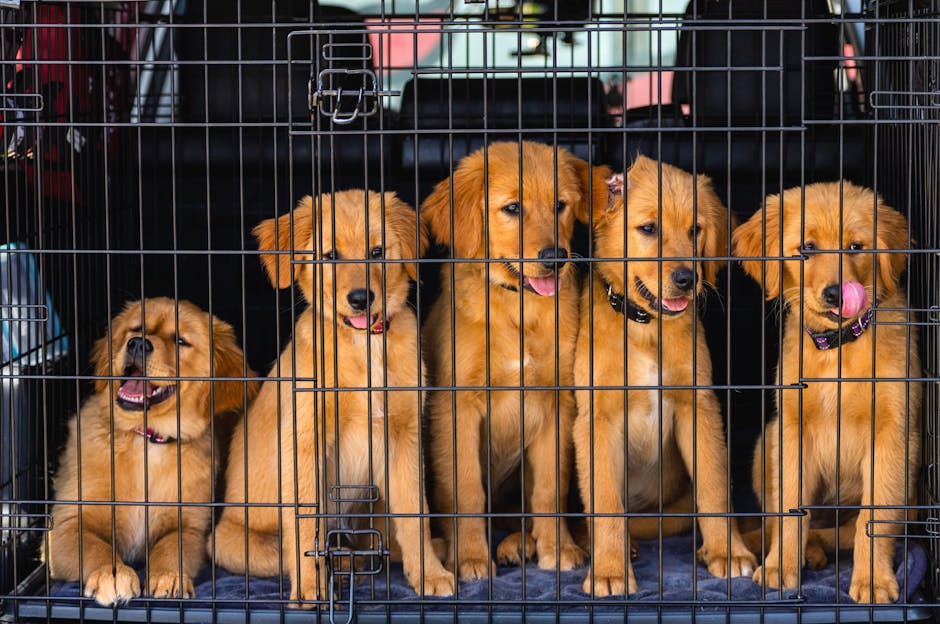
Preparing the Crate for Arrival
Before bringing your husky puppy home, set up the crate in a family area (not a secluded room) where they can see and hear you. Place soft bedding, a few safe chew toys, and a treat inside. Keep the door propped open initially. Sprinkle some of your puppy's food or a dab of peanut butter inside to encourage exploration. Make the crate inviting—avoid using it as punishment.
Step-by-Step Crate Training Guide
Step 1: Positive Introduction (Days 1–3)
Let your puppy investigate the crate on their own terms. Toss treats near the entrance, then just inside the doorway. Praise any interactions. Once your puppy willingly goes inside, close the door for 5 seconds while tossing treats through the bars, then open. Gradually increase the time to 30 seconds, then 1 minute. Never force your puppy inside.
Step 2: Short Confinement (Days 4–7)
Start closing the door for short periods (2–5 minutes) while you sit nearby. Use a special chew toy (like a stuffed Kong) that they only get in the crate. If your puppy whines, wait for a pause before letting them out—do not release while they're crying, as that rewards the behavior. After a few successful sessions, leave the room briefly and return.
Step 3: Extending Time (Week 2–3)
Increase crate time to 10–15 minutes while you're home and busy. Practice leaving the house for short errands (15–30 minutes). Your husky puppy should only be crated for a maximum of 1 hour per month of age (e.g., a 2-month-old can handle 2 hours). Use a calm verbal cue like “kennel up” and reward when they enter.
Step 4: Nighttime Crating
For the first few nights, place the crate in your bedroom so your puppy feels secure. Before bed, ensure they have pottied. Set an alarm for a middle-of-the-night bathroom break—puppies cannot hold it all night. Respond to whining only if you think it's a potty emergency; otherwise, ignore. Over time, your husky will sleep through the night without needing a break.
Step 5: Crate Training During the Day
Use the crate for scheduled naps and when you cannot supervise. Stick to a routine: potty, play, then crate with a chew toy. Huskies need a lot of exercise—a tired puppy is a calm puppy. A well-exercised husky is less likely to resent the crate.
Common Challenges and How to Overcome Them
Whining and Barking
Huskies are vocal. If your puppy whines in the crate, first assess if they need potty, food, or water. If not, ignore the noise—any attention (even negative) reinforces it. Ensure they have had enough physical and mental stimulation before crating. If whining persists, check that the crate isn't too hot or cold.
Escape Attempts
Huskies are notorious escape artists. If your puppy chews on the crate or tries to push through bars, upgrade to a heavy-duty crate or use a crate cover to reduce stimulation. Provide durable chew toys to satisfy their need to gnaw. Never use a crate with a damaged door or loose bars.
Accidents in the Crate
If your husky soils their crate, the space may be too large. Use the divider to create a smaller area—just enough to stand, turn, and lie down. Clean thoroughly with an enzymatic cleaner to remove odor. Revisit your potty schedule; puppies have tiny bladders and need frequent breaks.
Reluctance to Enter
If your puppy avoids the crate, make it more rewarding. Feed meals inside the crate with the door open. Play crate games: toss a treat inside, let them retrieve it, then call them out. Never use the crate as punishment.
Crate Training Schedule by Age
| Age | Maximum Crate Time (Daytime) | Nighttime/Potty Breaks |
|---|---|---|
| 8–10 weeks | 30–60 minutes | Every 2–3 hours |
| 11–14 weeks | 1–2 hours | Every 3–4 hours |
| 15–20 weeks | 2–3 hours | Once or twice per night |
| 5–6 months | 3–4 hours | May sleep through night |
| 6+ months | 4–6 hours (max) | Typically no breaks |
Note: These are maximums—always provide supervised time outside the crate. A husky should never be crated more than 4–6 hours during the day as an adult.
Do's and Don'ts of Crate Training
Do's
- Do make the crate comfortable with bedding and toys.
- Do use the crate consistently as part of a routine.
- Do praise and reward calm behavior in the crate.
- Do exercise your husky before crating.
- Do use a crate cover to create a den-like atmosphere.
Don'ts
- Don't use the crate for punishment.
- Don't leave a husky puppy crated longer than they can hold their bladder.
- Don't rush the process—go at your puppy's pace.
- Don't ignore signs of distress (pacing, excessive whining).
- Don't leave collars, harnesses, or loose items inside the crate that could get caught.
Crate training a husky puppy requires patience, consistency, and understanding of their unique temperament. With the right approach, your crate will become a safe haven for your husky, making house training easier and giving your puppy a sense of security. Start early, stay positive, and enjoy the journey of raising your energetic husky companion.
Recommended Products for Your Husky
As an Amazon Associate, we earn from qualifying purchases. Learn more.
- Heavy-Duty Dog Crate — Check price on Amazon
- Collapsible Wire Crate — Check price on Amazon
- Divider Panel Crate — Check price on Amazon
Frequently Asked Questions
How do I housebreak a Husky puppy?
Take them out every hour, after meals, and on waking; reward immediately. Crate overnight so they won't soil their den.
When can Husky puppies leave their mother?
Not before 8 weeks — earlier weaning harms socialization. Many breeders hold to 10–12 weeks for stability.
How much sleep does a Husky puppy need?
Up to 18–20 hours a day. Over-tired puppies bite and crash; enforce naps in the crate.
Editor's Note
Our team's teething survival tip is low-tech: frozen washcloths. We've handed them to dozens of owners and the puppies chew the cloth, not the furniture. Redirect, don't scold—they're not being bad, they're in pain.
Sources & Further Reading
HuskySpot researches each topic against recognized breed and veterinary authorities. The following organizations inform our content: