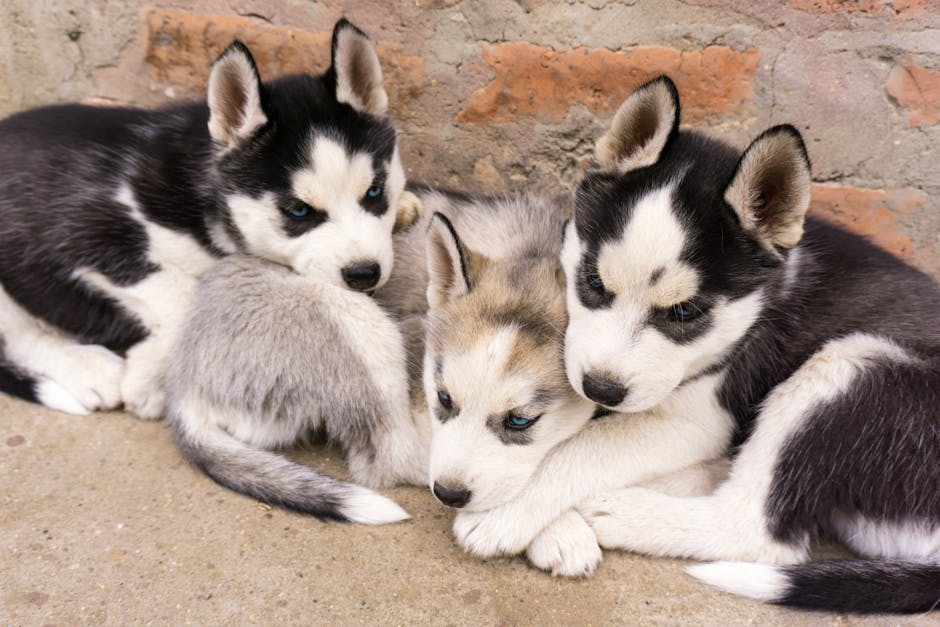
If your Siberian Husky puppy seems to be constantly scratching, biting, or licking their skin, you're not alone. Itchy skin is one of the most common concerns among Husky owners, especially during the puppy stage. While a little scratching is normal, persistent itching can indicate an underlying issue that needs attention. In this comprehensive guide, we'll explore the causes, symptoms, treatments, and prevention strategies for husky puppy itchy skin, so you can help your furry friend feel comfortable and happy.
Common Causes of Itchy Skin in Husky Puppies
Understanding why your husky puppy is itching is the first step to finding the right solution. There are several possible culprits, often working alone or in combination.
1. Allergies
Huskies are prone to environmental allergies (pollen, dust mites, mold) as well as food allergies. Common food triggers include chicken, beef, dairy, and grains. Allergic reactions often manifest as itchy skin, ear infections, and gastrointestinal upset.
2. Parasites
Fleas, ticks, and mites (like sarcoptic mange) can cause intense itching. Even one flea can trigger a reaction in a sensitive puppy. Check for small black specks (flea dirt) or visible insects.
3. Dry Skin
Indoor heating, low humidity, or harsh shampoos can strip natural oils, leading to flaky, itchy skin. Husky puppies with double coats are especially susceptible to dryness.
4. Skin Infections
Bacterial or yeast infections can develop secondary to scratching, allergies, or moisture trapped in the coat. Look for redness, bumps, or a foul odor.
5. Diet and Nutritional Deficiencies
A lack of essential fatty acids (Omega-3 and Omega-6) can compromise skin health. Poor-quality food with fillers may also trigger sensitivities.
6. Grooming and Environmental Factors
Over-bathing, using human shampoo, or exposure to irritants like carpet cleaners, perfumes, or cigarette smoke can cause contact dermatitis.
Recognizing Symptoms of Itchy Skin
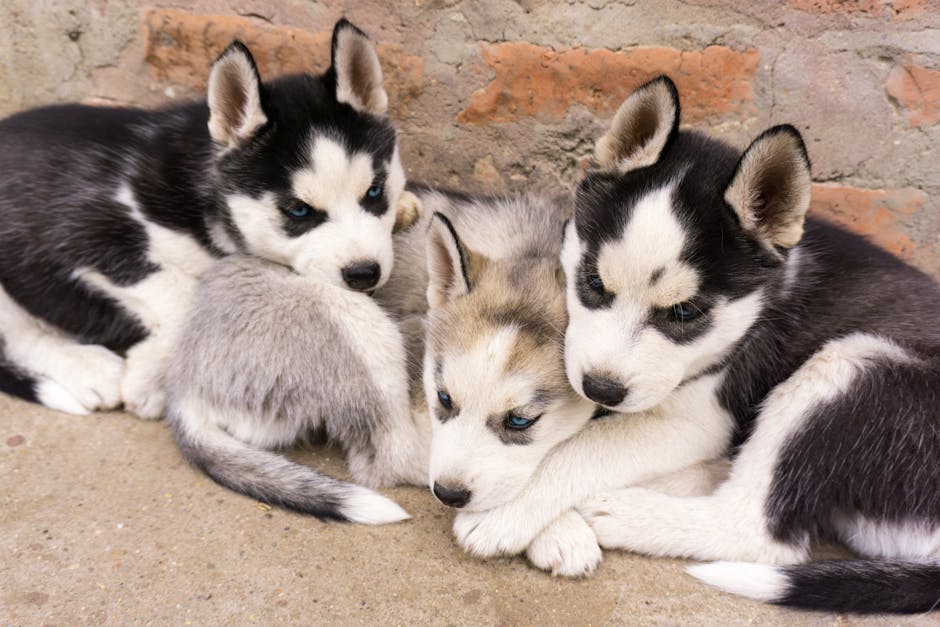
It's important to distinguish normal scratching from problematic itching. Watch for these signs:
- Frequent scratching, licking, or biting at specific areas (paws, belly, base of tail)
- Red, inflamed skin or rash
- Dry, flaky dandruff
- Hot spots (moist, red, oozing lesions)
- Hair loss or thinning coat
- Ear infections (head shaking, dark discharge)
- Bumps, scabs, or crusts
If you notice any of these symptoms persisting for more than a few days, a veterinary check-up is recommended.
When to Visit the Vet
While some mild itching can be managed at home, certain situations require professional diagnosis:
- Intense, non-stop scratching that disrupts sleep or eating
- Signs of infection (pus, redness, swelling, odor)
- Hair loss in patches
- Lethargy or appetite loss
- Secondary skin issues like hot spots that are spreading
- If your puppy is very young (under 12 weeks) or has other health conditions
Your veterinarian can perform skin scrapings, allergy testing, or blood work to pinpoint the cause.
Home Remedies and Natural Treatments
For mild cases or as supportive care, these remedies can soothe your husky puppy's skin:
Oatmeal Baths
Colloidal oatmeal (finely ground oats) is a classic anti-itch remedy. Fill a tub with lukewarm water, add a cup of oatmeal, and let your puppy soak for 10–15 minutes. Rinse thoroughly. Avoid hot water as it can worsen dryness.
Coconut Oil
Apply a thin layer of virgin coconut oil to dry, irritated spots. It has natural antibacterial and moisturizing properties. You can also add a teaspoon to their food for internal benefits.
Omega-3 Fatty Acids
Fish oil or flaxseed oil supplements help reduce inflammation and improve skin barrier function. Consult your vet for the correct dosage for your puppy's weight.
Hypoallergenic Diet
If food allergies are suspected, switch to a limited-ingredient or novel protein diet (e.g., salmon and potato). Avoid common allergens for at least 8 weeks to see if symptoms improve.
Humidifier
Adding moisture to the air in your home can alleviate dry skin, especially during winter.
Apple Cider Vinegar Rinse
Dilute raw, unfiltered apple cider vinegar with equal parts water and use as a final rinse after bathing. It helps restore pH balance and has mild antibacterial properties. Avoid open wounds.
Preventive Care for Your Husky Puppy
Prevention is always better than treatment. Follow these proactive steps to keep your husky's skin healthy:
- Regular Grooming: Brush your husky 2-3 times a week to remove loose fur and distribute natural oils. A slicker brush or undercoat rake works well.
- Proper Bathing: Bathe only once every 4-6 weeks or as needed, using a mild, oatmeal-based or hypoallergenic dog shampoo. Never use human products.
- Flea and Tick Prevention: Use vet-recommended preventatives year-round, even if your puppy is mostly indoors.
- High-Quality Food: Choose a balanced diet rich in animal protein and omega fatty acids. Avoid artificial fillers and by-products.
- Clean Environment: Wash bedding regularly, vacuum carpets, and avoid harsh chemicals. Use a HEPA filter to reduce airborne allergens.
- Hydration: Ensure fresh water is always available to maintain skin moisture.
The Role of Diet
Food allergies can be a hidden cause of husky puppy itchy skin. Common signs include recurrent ear infections and paw licking. If you suspect diet, try an elimination trial with a single protein and carbohydrate source for 8-12 weeks. Some excellent options for sensitive huskies include:
| Ingredient | Examples |
|---|---|
| Novel Protein | Salmon, duck, venison, rabbit, kangaroo |
| Single Carbohydrate | Sweet potato, potatoes, peas, lentils |
| Added Omega-3 | Fish oil, flaxseed, chia seeds |
| Probiotics | Yogurt, kefir, supplement (check for lactose-free options) |
Read labels carefully. Treats and chews may also contain allergens. A hydrolyzed protein diet (prescribed by vets) can be used for severe cases.
Grooming Tips to Soothe Itchy Skin
Proper grooming techniques can make a huge difference for a husky puppy with sensitive skin:
- Brushing: Use a soft bristle brush or a grooming glove to avoid irritating the skin. Brush gently in the direction of hair growth.
- Bathing Frequency: Over-bathing strips oils. If your puppy has allergies, a medicated shampoo (with chlorhexidine or ketoconazole) may be prescribed by your vet.
- Drying: Pat dry with a soft towel; never rub vigorously. Avoid hair dryers on high heat.
- Paw Care: Clean paws after walks with a damp cloth to remove pollen, road salt, or chemicals. Moisturize paw pads with balm.
- Trimming: Keep fur around ears, paws, and sanitary areas trimmed to reduce moisture and debris buildup.
Medications and Veterinary Treatments
If home remedies and preventive measures aren't enough, your vet may recommend medical interventions:
- Antihistamines: Benadryl (diphenhydramine) or Zyrtec (cetirizine) can help with mild allergies. Dosage must be weight-based and approved by your vet.
- Omega-3 Supplements: Prescription-grade fish oil concentrates can be more effective than over-the-counter options.
- Topical Medications: Sprays, creams, or ointments containing corticosteroids, antibiotics, or antifungals for localized issues.
- Oral Steroids: Short-term prednisone may be used to break the itch-scratch cycle, but long-term use has side effects.
- Allergy Testing and Immunotherapy: For severe environmental allergies, allergy shots or sublingual drops can desensitize your puppy over time.
- Antibiotics or Antifungals: Necessary if secondary infections are present.
Always follow your vet's guidance and never self-medicate, especially with puppies whose immune systems are still developing.
Conclusion
Itchy skin in husky puppies is a common but manageable issue. By identifying the root cause—whether it's allergies, parasites, dryness, or diet—you can implement targeted remedies and preventive strategies. early intervention not only relieves your puppy's discomfort but also prevents more serious complications like infections or chronic skin diseases. Work closely with your veterinarian, maintain a consistent grooming routine, and provide a high-quality diet. With patience and care, your husky puppy can enjoy healthy, itch-free skin and a happy life.
Recommended Products for Your Husky
As an Amazon Associate, we earn from qualifying purchases. Learn more.
- Puppy Starter Kit — Check price on Amazon
- Puppy Crate — Check price on Amazon
- Puppy Toys — Check price on Amazon
Frequently Asked Questions
What should I feed a Husky puppy?
A large-breed puppy formula with controlled calcium supports steady growth and lowers dysplasia risk.
When should I spay or neuter?
Many vets suggest 6–12 months for Huskies to protect joint and hormone development. Discuss timing with your vet.
What should I buy before a Husky puppy?
A crate, chew toys, a harness (not a collar for pulling), a groomer-grade brush, and puppy food. Skip the tiny water bowl — they grow fast.
Editor's Note
One pattern we track: adolescent regression around the first birthday. Training that was solid at eleven months falls apart at thirteen. We warn owners to hold the line, not relax it, and the rough patch passes faster.
Sources & Further Reading
HuskySpot researches each topic against recognized breed and veterinary authorities. The following organizations inform our content: