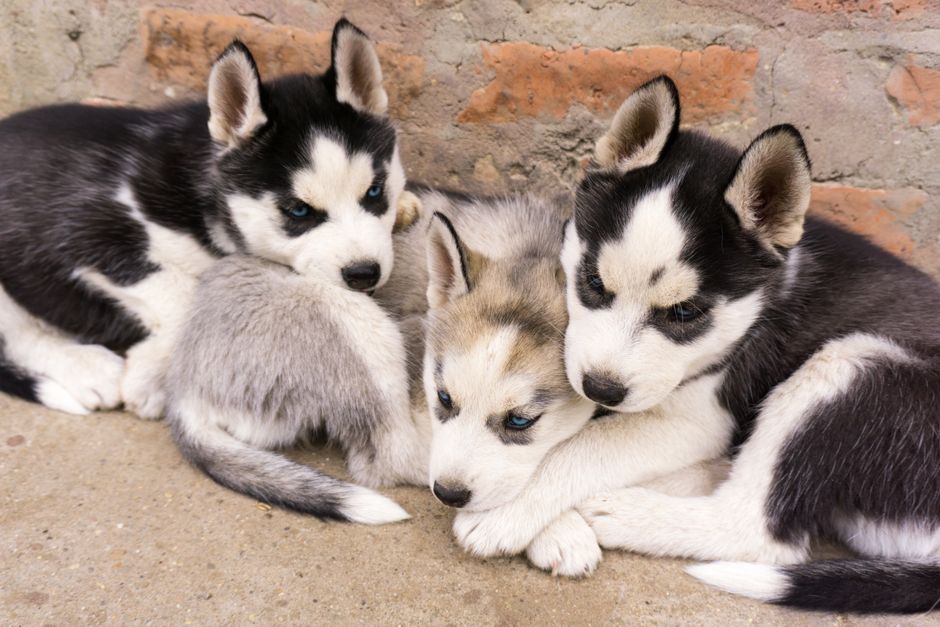
Why Is Your Husky Puppy Not Eating? Common Reasons
It can be alarming when your energetic husky puppy suddenly loses interest in food. While occasional pickiness is normal, a persistent lack of appetite may signal an underlying issue. Understanding the common reasons can help you take the right steps.
Stress and Environmental Changes
Huskies are sensitive to change. Moving to a new home, introducing new pets or family members, or even rearranging furniture can cause stress. A stressed puppy may refuse to eat until they feel secure.
Dietary Preferences and Picky Eating
Some husky puppies develop strong preferences for certain textures or flavors. Abruptly switching food brands or using low-quality kibble can lead to refusal. Additionally, giving too many treats can spoil their appetite.
Teething Discomfort
Between 3-6 months, puppies go through teething. Sore gums make chewing painful, causing them to avoid dry kibble. Offering softer foods or wetting the kibble can help.
Health Issues
Illnesses like gastrointestinal upset, parasites, infections, or even fever can cause appetite loss. Vaccinations may also temporarily reduce appetite. If your puppy shows other symptoms (vomiting, diarrhea, lethargy), consult a vet.
Overfeeding or Free Feeding
Leaving food out all day (free feeding) can lead to picky eating. Similarly, offering too large portions might overwhelm a small stomach. Stick to scheduled meals with appropriate amounts.
When to Worry: Signs That Require Veterinary Attention
While occasional skipped meals aren't dangerous, certain red flags warrant a vet visit:
- More than 24 hours without eating (puppies under 6 months should see a vet after 12 hours)
- Lethargy, weakness, or lack of interest in play
- Vomiting or diarrhea (especially with blood)
- Signs of pain (whining, hunched posture)
- Weight loss or visible ribs/spine
- Refusal to drink water – this is an emergency
If your husky puppy shows any of these, contact your veterinarian immediately.
Practical Tips to Encourage Your Husky Puppy to Eat
1. Create a Calm Feeding Environment
Place the bowl in a quiet, low-traffic area. Avoid distractions like loud noises or active children. Some huskies prefer to eat in a crate or a designated spot.
2. Enhance the Food's Appeal
- Add a small amount of warm water or low-sodium chicken broth to soften kibble and release aroma.
- Mix in a spoonful of wet puppy food or plain canned pumpkin (not pie filling).
- Top with a small amount of plain, cooked chicken or a raw egg (if approved by your vet).
- Try food puzzles or snuffle mats to engage their natural foraging instincts.
3. Stick to a Consistent Feeding Schedule
Offer food at the same times twice or three times daily (depending on age). Remove uneaten food after 15-20 minutes. This teaches your puppy that mealtime is limited and prevents grazing.
4. Gradually Transition Foods
If you need to change food, do it slowly over 7-10 days: start with 25% new food mixed with 75% old, gradually increasing proportion. Sudden changes can upset their stomach.
5. Reduce Treats and Table Scraps
Too many treats can ruin appetite. Limit training treats to small, healthy options like freeze-dried liver or carrot pieces. Avoid giving human food at the table.
6. Positive Reinforcement
Use praise and gentle encouragement when your puppy eats. Avoid forcing food or scolding – this can create negative associations.
Feeding Schedule and Portion Control for Husky Puppies
Husky puppies grow quickly but are prone to obesity if overfed. Follow these general guidelines, adjusting for your dog's individual needs and activity level.
| Age | Meals per Day | Amount per Meal (cups of dry food) | Total Daily Amount (cups) |
|---|---|---|---|
| 8–12 weeks | 3–4 | 0.25–0.5 | 1–1.5 |
| 3–6 months | 3 | 0.5–0.75 | 1.5–2 |
| 6–12 months | 2 | 0.75–1 | 1.5–2 |
| Adult (12+ months) | 2 | 1–1.25 | 2–2.5 |
Note: These are estimates. Always check the feeding guide on your food packaging and adjust based on your puppy's body condition.
What to Do If Your Husky Puppy Refuses to Eat for More Than 24 Hours
If your puppy hasn't eaten for 24 hours (12 hours for very young puppies), take the following steps:
- Check for other symptoms: Look for vomiting, diarrhea, lethargy, or pain. If present, go to the vet immediately.
- Contact your veterinarian: Describe the duration and any additional signs. They may recommend a checkup to rule out medical issues.
- Try a bland diet: If no serious symptoms, offer a small amount of boiled white rice and plain chicken (no skin or bones). This is easy to digest and often tempting.
- Hydration is crucial: Ensure your puppy is drinking water. If not, use a syringe (without needle) to offer small amounts or consult a vet.
- Consider appetite stimulants: Only use under vet guidance. Never give human medications.
Remember, prolonged anorexia can lead to hypoglycemia (low blood sugar) in small puppies, so don't delay professional help.
Long-Term Solutions: Building Healthy Eating Habits
Consistent Routine
Huskies thrive on routine. Feed at the same times daily, followed by a walk or play session. This creates a predictable pattern that encourages appetite.
High-Quality Nutrition
Choose a balanced puppy food formulated for medium-to-large breeds. Look for real meat as the first ingredient and avoid fillers like corn or soy. A good diet supports health and appetite.
Exercise and Mental Stimulation
A tired husky is a hungry husky. Ensure your puppy gets age-appropriate exercise – walks, fetch, or playtime. Mental stimulation through training or puzzle toys also boosts appetite.
Regular Veterinary Checkups
Annual exams help catch health issues early. Your vet can also advise on ideal weight and feeding adjustments. Discuss any ongoing pickiness with them.
Patience and Bonding
Never force-feed or punish your puppy. Building trust through positive interactions will make mealtime a positive experience. If pickiness persists, try rotating two different healthy foods to add variety.
By understanding your husky puppy's needs and following these strategies, you can overcome feeding challenges and ensure your furry friend grows up healthy and strong.
Recommended Products for Your Husky
As an Amazon Associate, we earn from qualifying purchases. Learn more.
- Puppy Starter Kit — Check price on Amazon
- Puppy Crate — Check price on Amazon
- Puppy Toys — Check price on Amazon
Frequently Asked Questions
How do I socialize a Husky puppy?
Expose them to sounds, surfaces, people, and calm dogs before 16 weeks. Positive experiences now prevent fear later.
What should I feed a Husky puppy?
A large-breed puppy formula with controlled calcium supports steady growth and lowers dysplasia risk.
When should I spay or neuter?
Many vets suggest 6–12 months for Huskies to protect joint and hormone development. Discuss timing with your vet.
Editor's Note
We've found puppy-proofing saves more than shoes—it saves vet bills. Locked cabinets, cord covers, sago palm removed. The households we set up right in week one never had the ingestion scares the others did.
Sources & Further Reading
HuskySpot researches each topic against recognized breed and veterinary authorities. The following organizations inform our content: