Bringing home a Siberian Husky puppy is an exciting experience, but when that adorable fluffball starts showing aggressive behaviors, many owners feel overwhelmed. Understanding why your husky puppy acts aggressively and how to address it early can prevent long-term issues. This comprehensive guide covers everything you need to know about husky puppy aggressive behavior, from causes to solutions.
Why Do Husky Puppies Show Aggression?
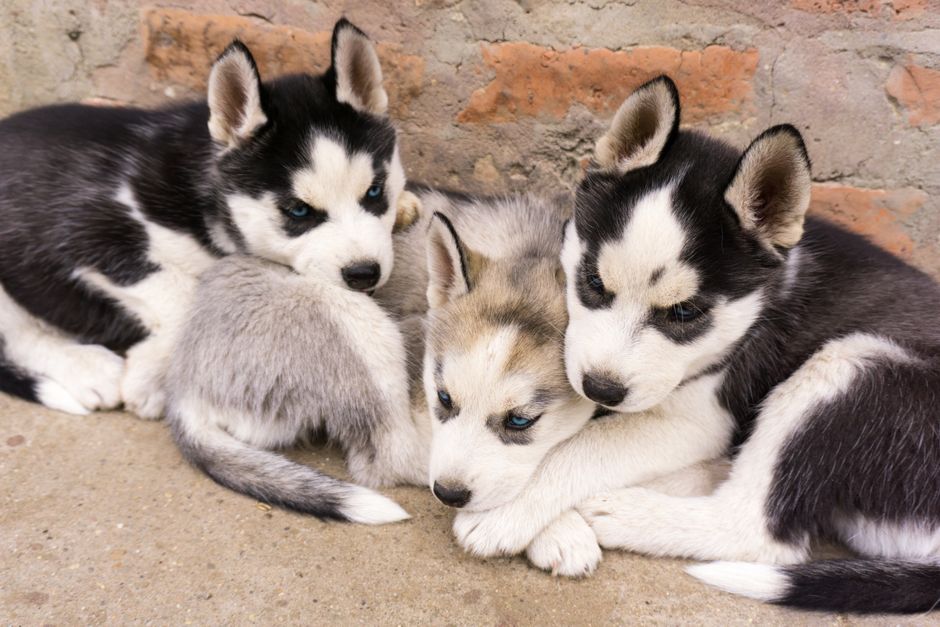
Husky puppies are not naturally aggressive, but like all puppies, they explore the world with their mouths and may exhibit behaviors that look aggressive. Common reasons include teething (which peaks around 4-6 months), fear, resource guarding, lack of socialization, or simple overexcitement. Huskies are also a high-energy breed; pent-up energy can lead to nippy, pushy behavior. It's crucial to differentiate between normal puppy play and true aggression.
Common Types of Aggression in Husky Puppies
1. Play Aggression (Mouthing and Nipping)
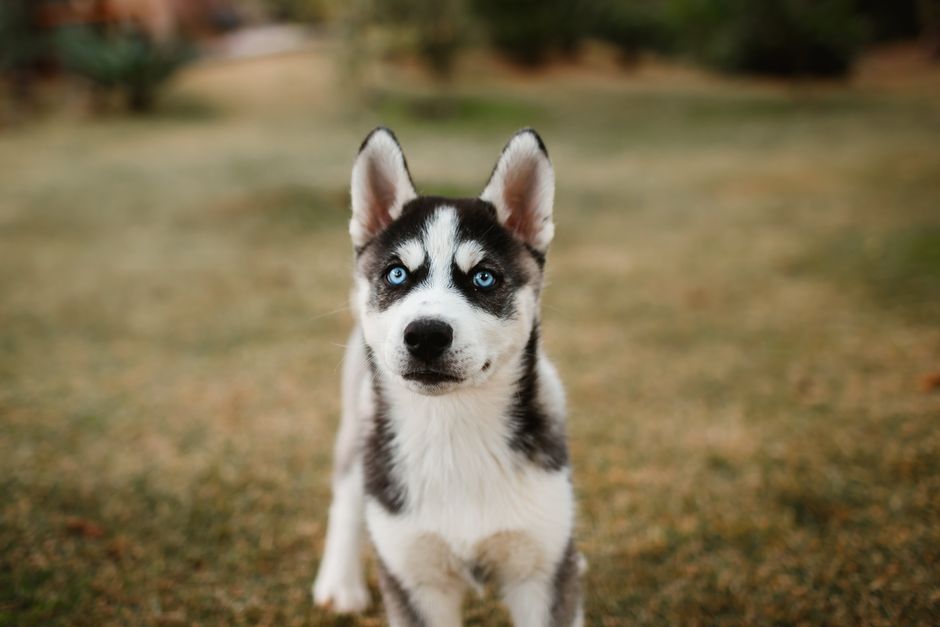
Husky puppies love to play, and mouthing is normal. However, if the puppy bites hard and doesn't respond to yelps or time-outs, it may escalate. Consistent redirection to appropriate chew toys and teaching bite inhibition are key.
2. Resource Guarding
Some husky puppies growl or snap when you approach their food, toys, or bed. This is instinctive but can become problematic. Early counter-conditioning (trading up for higher-value treats) helps prevent guarding.
3. Fear Aggression
A husky puppy that hasn't been properly socialized may react with growling, barking, or lunging at new people, dogs, or environments. Slow, positive exposure is essential.
4. Possessive or Dominance-Related Behavior
Huskies are independent and may test boundaries. Mounting, stiff posture, or not listening can be misinterpreted as aggression. This usually stems from lack of structure and leadership.
How to Prevent Aggression Early
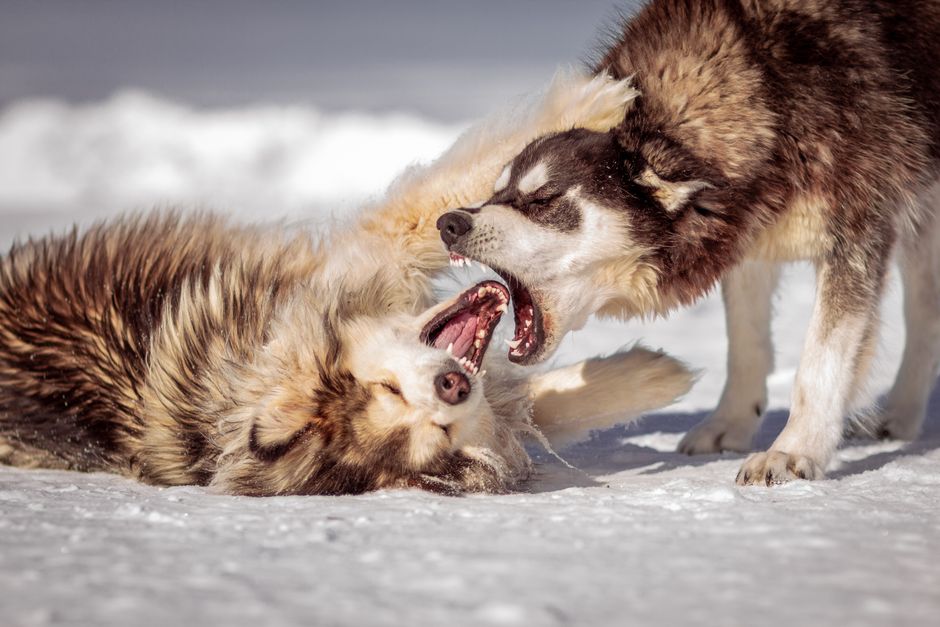
Prevention is far easier than correction. Start these steps as soon as you bring your puppy home:
- Socialization: Expose your puppy to different people, dogs, sounds, and surfaces before 16 weeks of age. Use treats and praise to create positive associations.
- Structured Routine: Huskies thrive on consistency. Regular feeding, potty breaks, training sessions, and exercise reduce anxiety.
- Leadership Without Harshness: Use reward-based training. Avoid punishment, which can increase fear and aggression.
- Proper Exercise: A tired husky is a good husky. Aim for at least 30-60 minutes of activity daily, including walks, runs, and mental games.
Training Techniques to Reduce Aggressive Behavior
1. Bite Inhibition Training
When your puppy mouths too hard, let out a high-pitched yelp and stop play for 10 seconds. This teaches them that rough biting ends fun. Gradually they learn to use a softer mouth.
2. “Leave It” and “Drop It” Commands
Teach these commands to prevent resource guarding. Start with a low-value item, say “leave it,” and reward when the puppy looks away. Practice daily.
3. Desensitization and Counter-Conditioning
For fear-based aggression, expose the puppy to triggers at a distance where they remain calm. Pair the trigger with high-value treats, slowly decreasing distance.
4. Impulse Control Games
Play games like “wait at the door” or “sit before meals.” These teach patience and reduce impulsivity that can lead to aggression.
5. Avoid Over-Arousal
If your puppy gets too excited and starts nipping, end playtime with a calm command like “settle” and crate time with a chew toy. Overstimulation often triggers aggressive outbursts.
When to Seek Professional Help
If your husky puppy's aggression is severe – such as biting that breaks skin, constant growling, or lunging at people – consult a certified dog behaviorist or a veterinarian. They can rule out medical issues (like pain or thyroid problems) and design a tailored plan. Puppies that are aggressive toward humans may need professional intervention before 6 months of age.
| Type of Aggression | Signs | Action |
|---|---|---|
| Play aggressive | Hard biting, not stopping after yelp | Teach bite inhibition, time-outs |
| Resource guarding | Growling when eating, stiff body | Counter-conditioning, trading |
| Fear aggression | Barking, backing away, ears back | Desensitization, positive exposure |
| Territorial | Barking at door, aggressive to visitors | Neutral space training, calm arrivals |
Conclusion
Husky puppy aggressive behavior is often a phase that can be managed with patience, consistency, and positive training. Early socialization, clear boundaries, and understanding your puppy's needs are the foundation. If problems persist, don't hesitate to get professional help. With the right approach, your husky puppy will grow into a well-adjusted, friendly adult dog. Start today and enjoy the journey of raising your spirited husky!
Remember: Aggression in puppies is not a character flaw – it's a signal. Listen to your pup and adjust your training accordingly.
Recommended Products for Your Husky
As an Amazon Associate, we earn from qualifying purchases. Learn more.
- Puppy Starter Kit — Check price on Amazon
- Puppy Crate — Check price on Amazon
- Puppy Toys — Check price on Amazon
Frequently Asked Questions
When can Husky puppies leave their mother?
Not before 8 weeks — earlier weaning harms socialization. Many breeders hold to 10–12 weeks for stability.
How much sleep does a Husky puppy need?
Up to 18–20 hours a day. Over-tired puppies bite and crash; enforce naps in the crate.
When should vaccinations start?
The first round is usually at 6–8 weeks, then boosters every 3–4 weeks until 16 weeks. Avoid dog parks until complete.
Editor's Note
We've learned the hard way that husky puppies need a six-foot fence, not four. The escape artists we manage all started with a climbable boundary. Bury chicken wire along the line and thank us later.
Sources & Further Reading
HuskySpot researches each topic against recognized breed and veterinary authorities. The following organizations inform our content: