Feeding a Siberian Husky puppy is one of the most critical aspects of raising a healthy, energetic dog. Unlike many other breeds, Huskies have unique metabolic traits—they are prone to obesity if overfed, yet require plenty of fuel for their rapid growth and high activity levels. Understanding your husky puppy's calorie needs is the foundation of proper nutrition. This guide provides everything you need to know, from calculating daily calories to recognizing when adjustments are necessary.
Why Calorie Intake Matters for Husky Puppies
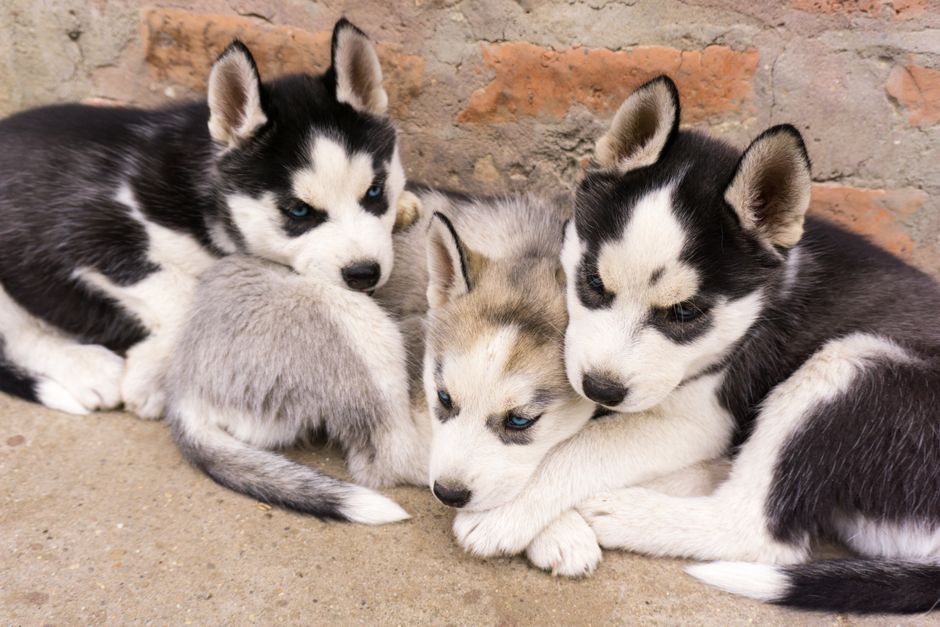
Husky puppies grow quickly during their first year, and their calorie requirements change almost weekly. Providing the right amount of energy ensures steady growth without putting on excess fat, which can stress developing joints. Moreover, Huskies are known for their efficient metabolisms—they can thrive on fewer calories than many breeds of the same size. However, puppies need extra calories per pound of body weight compared to adults to support development. Undefeeding can lead to stunted growth, poor immune function, and lethargy; overfeeding can cause rapid weight gain, increasing the risk of hip dysplasia and other skeletal issues.
Factors Influencing Calorie Needs
Several factors affect how many calories your husky puppy requires daily:
- Age: Younger puppies (2–4 months) need more calories per pound than older puppies (6–12 months) because of faster growth.
- Body Weight: Heavier puppies need more total calories, but the per-pound requirement decreases as they grow.
- Activity Level: A highly active puppy that runs and plays for hours will need significantly more calories than a couch-potato pup.
- Growth Stage: During peak growth (around 4–5 months), calorie needs are highest. After 6 months, growth slows, so caloric density should decrease to prevent obesity.
- Neuter/Spay Status: Many puppies lose about 30% of their calorie needs after being spayed or neutered (around 6 months). Adjust accordingly.
- Health: Illness, digestive issues, or parasites can increase or decrease appetite. Always consult a vet if you notice sudden changes.
General Calorie Guidelines by Age
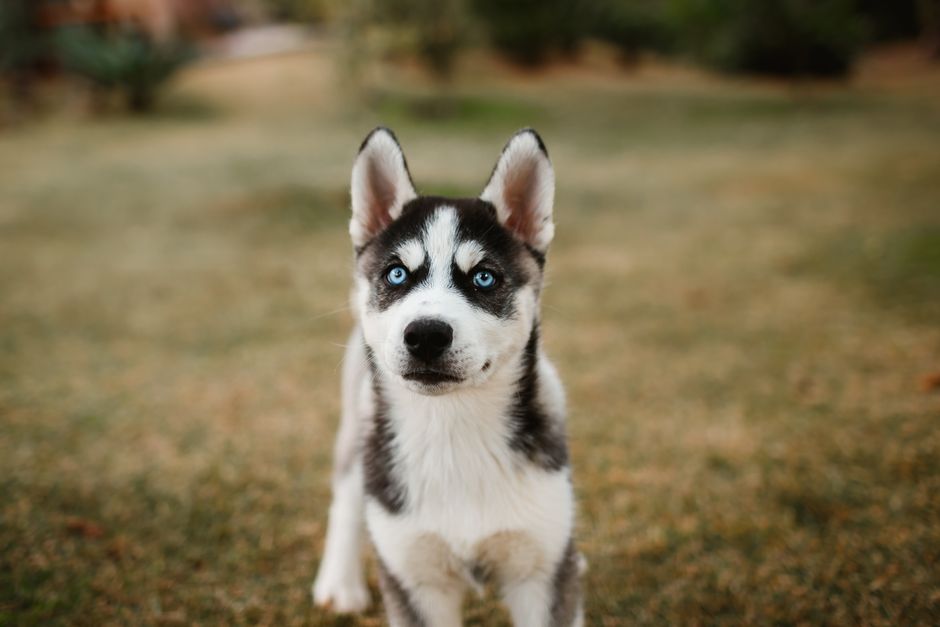
The following table provides estimated daily calorie ranges for a healthy, average-activity husky puppy. These are starting points; monitor your pup's body condition and adjust as needed.
| Age (months) | Typical Weight (lbs) | Daily Calories |
|---|---|---|
| 2 | 10–15 | 400–550 |
| 3 | 15–25 | 550–750 |
| 4 | 25–35 | 700–950 |
| 5 | 30–40 | 800–1100 |
| 6 | 35–45 | 850–1100 |
| 7–12 | 40–50 | 800–1000 |
Note: Female huskies typically weigh less than males. Adjust the weight column accordingly. Always use the weight range for your specific puppy.
How to Calculate Your Husky Puppy's Daily Calories
For a more precise number, you can use the Resting Energy Requirement (RER) formula: RER = 70 x (body weight in kg)^0.75. Then multiply by a growth factor:
- Puppy 2–4 months: 2.5 x RER
- Puppy 4–6 months: 2.0 x RER
- Puppy 6–12 months: 1.5–1.8 x RER
For example: A 3-month-old husky weighing 9 kg (20 lbs). RER = 70 x (9^0.75) ≈ 70 x 5.2 = 364. Multiply by 2.5 = 910 calories per day. This is a starting point; adjust based on activity and body condition.
Feeding Schedule and Portion Control
Husky puppies thrive on routine. Here are practical tips:
- Frequency: Feed 3–4 meals per day until 6 months, then 2 meals. This stabilizes blood sugar and prevents bloat.
- Portions: Divide daily calories into equal meals. Use a kitchen scale for accuracy—measuring cups can vary by 20%.
- Treats: Treats contribute to calorie intake. Limit treats to no more than 10% of daily calories. Use training treats that are low-cal (e.g., a few blueberries or pieces of carrot).
- Water: Always provide fresh water. Puppies need constant access, especially after meals and play.
Common Feeding Mistakes to Avoid
- Free-feeding: Leaving food out all day can lead to overeating. Huskies often self-regulate poorly.
- Too many calories from fat: Overly rich food can cause pancreatitis. Stick to puppy food with moderate fat (15–20% on a dry matter basis).
- Ignoring growth spurts: Your puppy may suddenly eat a lot more for a few days, then less. Adjust portions accordingly, but don't overfeed consistently.
- Feeding adult food too early: Adult food is lower in calcium and phosphorus, which can impair bone development. Use puppy-specific food until 12–18 months.
- Not adjusting after neutering: After surgery, metabolism slows. Reduce calories by about 30% or switch to a lower-calorie food to prevent weight gain.
Signs Your Puppy Is Getting Too Many or Too Few Calories
Body condition scoring (BCS) is essential. Here's what to look for:
Too many calories (overweight)
- Ribs not easily felt under a thin layer of fat
- No visible waist when viewed from above
- Lethargy, reluctance to play
- Excessive panting
- Fat deposits on hips, back, or tail base
Too few calories (underweight)
- Ribs, spine, and hip bones prominently visible
- Obvious waist and belly tuck
- Low energy, poor coat condition
- Not meeting weight milestones for age
Perform a body condition score every two weeks. Ideally, you should be able to feel the ribs with a slight fat covering—like the back of your hand. If you can count each rib without pressing, the puppy is too thin. If you can't feel them easily, they are overweight.
Best Food Types for Husky Puppies
Choose a high-quality commercial puppy food that meets AAFCO standards for growth. Options include:
- Dry kibble: Convenient, crunchy, and helps with dental health. Look for foods with meat as the first ingredient, around 30% protein and 15–20% fat.
- Wet food: More palatable and hydrating, but lower calorie density and more expensive for the same calories. Good for picky eaters or to mix with kibble.
- Raw or homemade: Requires careful balancing to avoid nutrient deficiencies. If chosen, work with a veterinary nutritionist. Many vets recommend waiting until adulthood.
Regardless of type, verify the food provides proper calcium:phosphorus ratio (around 1.2:1) and DHA for brain development. Steer clear of foods with vague labels like "meat meal" or "animal fat" without source specifics.
Conclusion
Every husky puppy is unique, but understanding the principles behind their calorie needs empowers you to make informed decisions. Start with the guidelines provided, monitor your puppy's body condition weekly, and adjust based on growth and activity. Regular veterinary check-ups are important for ensure your pup is on track. Proper nutrition will lay the groundwork for a long, healthy, and active life with your Siberian Husky.
Recommended Products for Your Husky
As an Amazon Associate, we earn from qualifying purchases. Learn more.
- Puppy Starter Kit — Check price on Amazon
- Puppy Crate — Check price on Amazon
- Puppy Toys — Check price on Amazon
Frequently Asked Questions
What should I buy before a Husky puppy?
A crate, chew toys, a harness (not a collar for pulling), a groomer-grade brush, and puppy food. Skip the tiny water bowl — they grow fast.
How do I housebreak a Husky puppy?
Take them out every hour, after meals, and on waking; reward immediately. Crate overnight so they won't soil their den.
When can Husky puppies leave their mother?
Not before 8 weeks — earlier weaning harms socialization. Many breeders hold to 10–12 weeks for stability.
Editor's Note
We've raised enough husky puppies to respect the eight-to-twelve-week window above everything else. The owners who pushed a hundred new experiences in those weeks have the confident adults; the ones who waited got the fearful ones.
Sources & Further Reading
HuskySpot researches each topic against recognized breed and veterinary authorities. The following organizations inform our content: