Bringing home a Siberian Husky puppy is an exciting experience, but it often comes with the challenge of potty accidents. Huskies are intelligent, stubborn, and energetic, which can make housebreaking a test of patience. However, with the right approach, you can minimize accidents and set your puppy up for success. This comprehensive guide covers everything you need to know about managing and preventing husky puppy potty accidents.
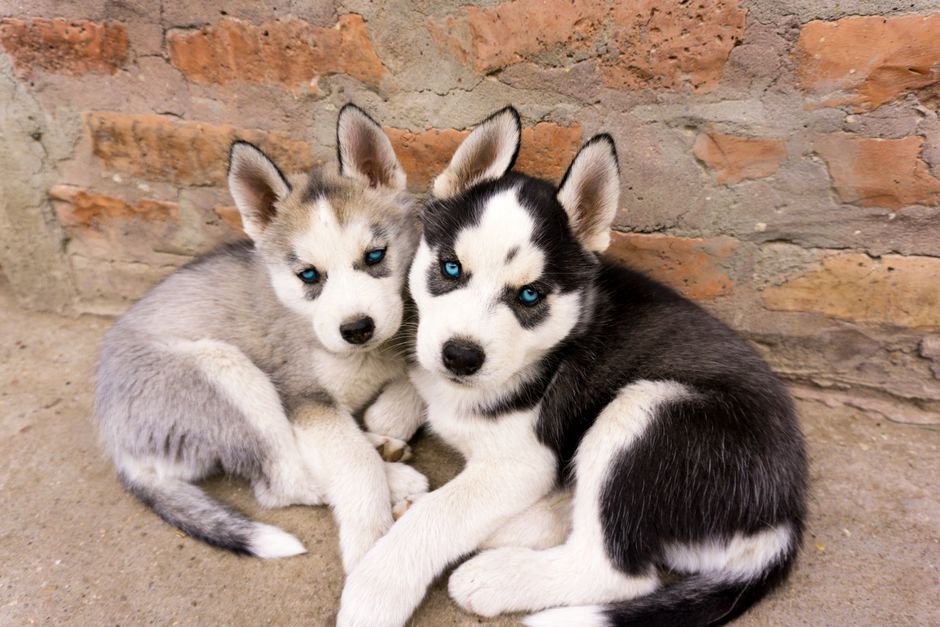
Understanding Why Husky Puppies Have Potty Accidents
Husky puppies, like all young dogs, have small bladders and limited control over their elimination. However, their independent nature and high energy levels can complicate potty training. Common reasons for accidents include:
- Age and bladder size: Puppies under 12 weeks old typically need to eliminate every 1-2 hours.
- Lack of routine: Irregular feeding and bathroom schedules confuse puppies.
- Overexcitement or distraction: Huskies are easily distracted and may forget to signal when they need to go.
- Medical issues: Urinary tract infections or gastrointestinal problems can cause accidents. Consult a vet if accidents persist despite training.
- Incomplete cleaning: Residual scent encourages repeat accidents in the same spot.
Understanding these factors helps you tailor your approach to your husky puppy's unique needs.
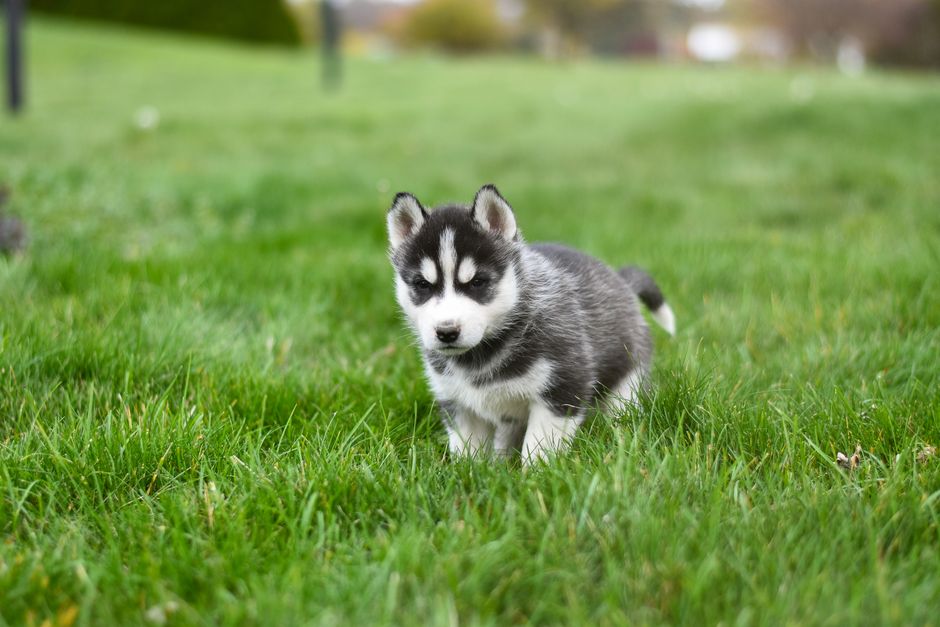
Setting a Potty Training Schedule for Your Husky Puppy
Consistency is the foundation of successful potty training. Create a schedule that aligns with your puppy's natural rhythms:
- Feeding times: Feed meals at the same times each day to establish predictable elimination patterns. Puppies usually need to go 15-30 minutes after eating.
- Water intake: Monitor water intake, especially in the evening. Remove water bowls an hour before bedtime to reduce nighttime accidents.
- Potty breaks: Take your puppy out upon waking, after meals, after play sessions, and before bedtime. During the day, aim for breaks every 2 hours.
- Overnight schedule: Set an alarm for a middle-of-the-night potty break until your puppy can hold it through the night (usually around 4-6 months old).
Use a table to track potty breaks for the first few weeks:
| Time | Activity | Potty Break? |
|---|---|---|
| 7:00 AM | Wake up | Yes |
| 7:30 AM | Breakfast | Yes (after eating) |
| 9:00 AM | Play | Yes (after play) |
| 12:00 PM | Lunch | Yes (after eating) |
| 3:00 PM | Nap | Yes (upon waking) |
| 6:00 PM | Dinner | Yes (after eating) |
| 10:00 PM | Bedtime | Yes |
| 2:00 AM | Night break | Yes (if needed) |
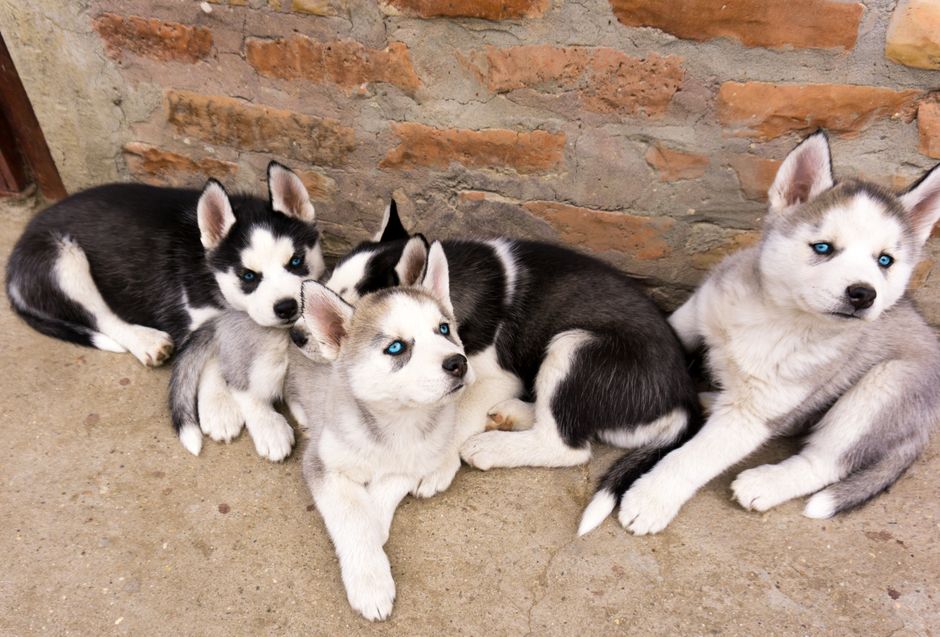
Crate Training: A Key Tool for Accident Prevention
Crate training leverages a husky's natural denning instinct to discourage soiling in a confined space. When used correctly, the crate becomes a safe haven and a powerful potty training aid. Follow these steps:
- Choose the right size: The crate should be large enough for your puppy to stand, turn around, and lie down, but not so large that they can use one corner as a bathroom.
- Introduce the crate gradually: Place treats and toys inside to create positive associations. Start with short periods, then increase duration.
- Use a schedule: Crate your puppy when you cannot supervise them, but never for longer than they can hold their bladder. A general rule is one hour per month of age.
- Never use the crate as punishment: The crate should always be a positive space.
Accidents in the crate can indicate a health issue or that the crate is too large. Clean thoroughly with an enzymatic cleaner to remove odors.
Effective Methods for Potty Training a Husky Puppy
Positive Reinforcement
Huskies respond well to rewards. Whenever your puppy eliminates outdoors, immediately praise them enthusiastically and offer a high-value treat. This teaches them that going potty outside is rewarding. Avoid punishment for indoor accidents; it can make your puppy fearful and hide elimination behavior, making training harder.
Use of Commands
Choose a consistent command like "Go potty" or "Do your business." Say it while your puppy is eliminating, then reward. Over time, they will associate the command with the action. Use this command during outdoor breaks to encourage elimination quickly.
Cleaning Up Accidents Properly
Accidents will happen. Clean them thoroughly with an enzymatic cleaner designed for pet stains. Regular cleaners may not remove all traces of urine, leaving a scent that encourages repeat accidents. Blot up liquid, apply cleaner, and let it air dry. Avoid ammonia-based cleaners, as they smell like urine to dogs.
Common Challenges and Solutions
Husky puppies can be particularly stubborn. Here are common issues and how to address them:
- Refusing to go outside: Some huskies dislike rain or cold. Provide a covered potty area or use a leash to encourage bathroom breaks. Patience is key.
- Accidents when excited: Submissive or excitement urination can occur. Keep greetings calm, avoid direct eye contact, and take them out immediately after excitement.
- Regression: Sometimes a well-trained puppy starts having accidents again. This can be due to stress, illness, or changes in routine. Return to basics and consult a vet if needed.
- Signaling confusion: Your puppy may not give clear signals. Watch for cues like sniffing circling, whining, or scratching at the door. Take them out proactively if you suspect they need to go.
When to Expect Your Husky Puppy to Be Fully Potty Trained
Most husky puppies achieve reliable potty habits between 4 and 6 months of age, but some may take up to a year. Factors that influence progress include consistency, temperament, and training methods. Celebrate small victories and remain patient. By 6 months, many huskies can hold their bladder for 6-8 hours during the day and through the night.
Conclusion
Potty training a husky puppy requires time, consistency, and a positive attitude. By understanding your puppy's needs, establishing a routine, using crate training, and reinforcing good behavior, you can minimize accidents and build a strong foundation for housebreaking. Remember, every accident is a learning opportunity—stay calm, clean up properly, and keep moving forward. With dedication, your husky puppy will master potty training and become a beloved, well-mannered companion.
Recommended Products for Your Husky
As an Amazon Associate, we earn from qualifying purchases. Learn more.
- Puppy Starter Kit — Check price on Amazon
- Puppy Crate — Check price on Amazon
- Puppy Toys — Check price on Amazon
Frequently Asked Questions
When should vaccinations start?
The first round is usually at 6–8 weeks, then boosters every 3–4 weeks until 16 weeks. Avoid dog parks until complete.
How do I socialize a Husky puppy?
Expose them to sounds, surfaces, people, and calm dogs before 16 weeks. Positive experiences now prevent fear later.
What should I feed a Husky puppy?
A large-breed puppy formula with controlled calcium supports steady growth and lowers dysplasia risk.
Editor's Note
Our editors push crate training from day one, never as punishment. Feed meals in it, drop treats in randomly. The huskies we raised this way see the crate as a den; the ones who didn't fought it for months.
Sources & Further Reading
HuskySpot researches each topic against recognized breed and veterinary authorities. The following organizations inform our content: