Introduction
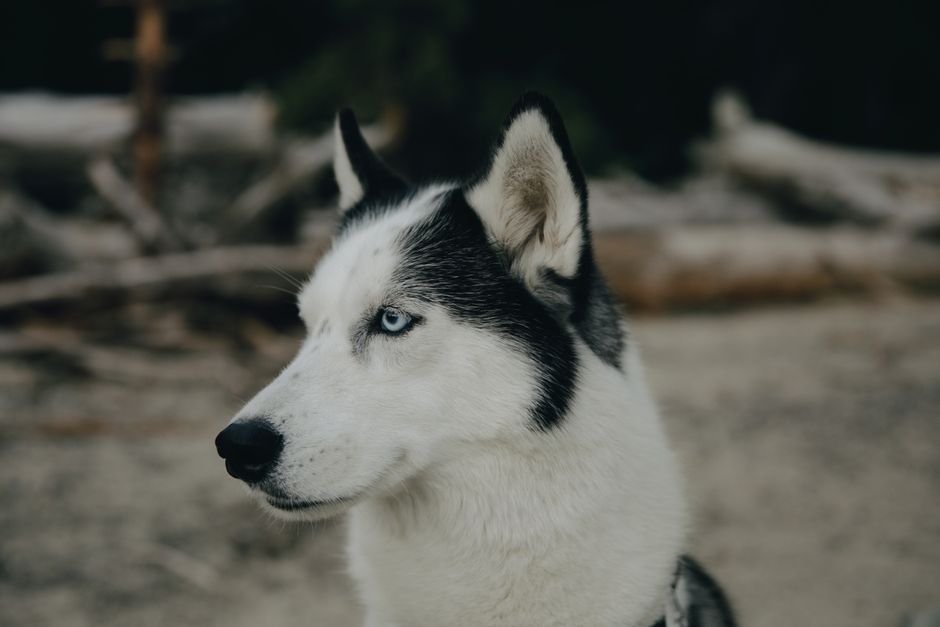
Regular veterinary checkups are vital for keeping your Siberian Husky healthy and happy. Huskies are generally robust dogs, but they are prone to certain genetic conditions and lifestyle-related issues that can be caught early with routine exams. A well-planned vet checkup schedule ensures your husky receives timely vaccinations, parasite prevention, and health screenings at every life stage.
How Often Should a Husky See the Vet?
Puppy Checkups (8 weeks to 16 weeks)
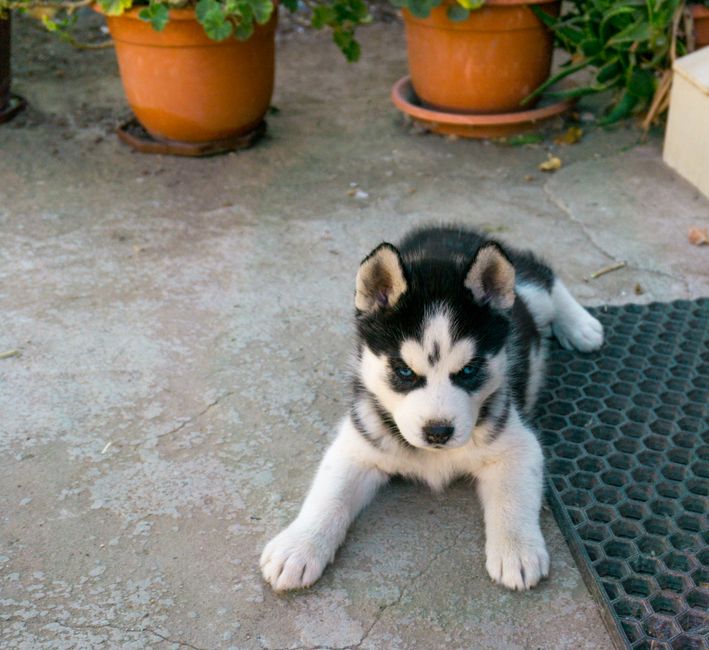
Puppies need frequent visits—typically every 3-4 weeks until they are about 16 weeks old. These visits focus on core vaccinations (DHPP, rabies), deworming, and early health assessments. Your vet will monitor growth, check for congenital issues like hip dysplasia, and provide guidance on socialization and training.
Adult Checkups (1 to 7 years)
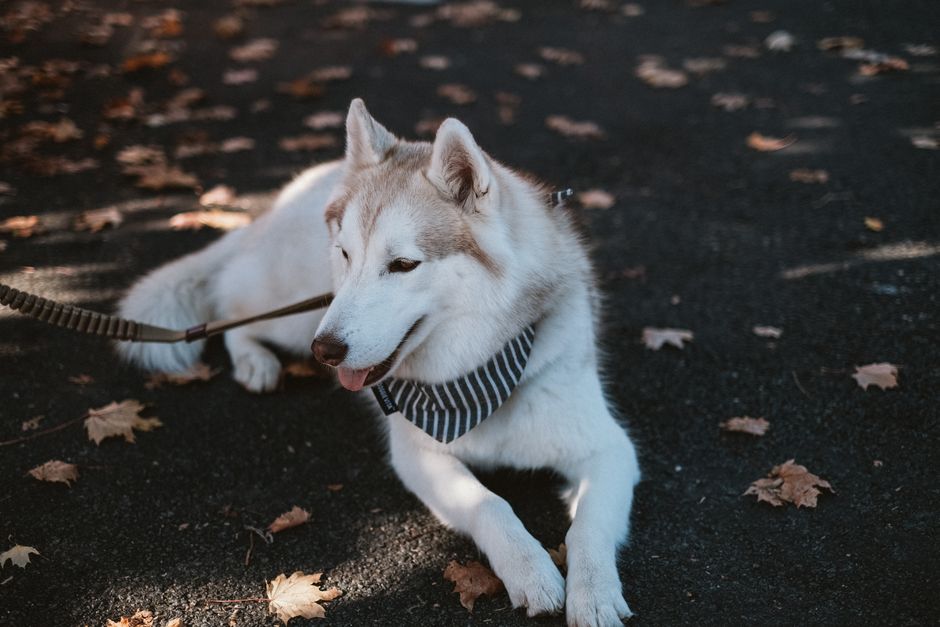
Healthy adult huskies should see the vet at least once a year. This annual visit includes a physical exam, booster vaccinations, heartworm testing, and fecal analysis. For huskies that are active in sports or hunting, semi-annual visits may be recommended to monitor joint health and overall condition.
Senior Checkups (8+ years)
As huskies enter their senior years, bi-annual checkups become essential. Older dogs are at higher risk for arthritis, dental disease, kidney issues, and cognitive decline. Blood work, urine analysis, and blood pressure checks should be part of every senior exam.
Key Components of a Husky Checkup
- Physical Examination: From nose to tail, checking eyes, ears, teeth, heart, lungs, abdomen, and joints.
- Vaccinations: DHPP, rabies, and optional vaccines like Leptospirosis or Bordetella based on lifestyle.
- Parasite Control: Year-round heartworm prevention, flea/tick control, and regular fecal exams.
- Dental Check: Tartar buildup, gum inflammation, and signs of tooth decay.
- Blood Work: For seniors or when symptoms arise; includes CBC, chemistry panel, and thyroid testing.
- Weight Assessment: Huskies should maintain a lean body condition; obesity can worsen joint problems.
Common Health Issues Detected During Checkups
Huskies are prone to several conditions that routine exams can uncover:
- Hip Dysplasia: Palpation and X-rays can identify early signs.
- Eye Problems: Cataracts, progressive retinal atrophy (PRA), and corneal ulcers are common.
- Hypothyroidism: Blood tests detect low thyroid hormone levels, causing weight gain and coat issues.
- Allergies: Skin or food allergies often manifest as itching and ear infections.
- Dental Disease: Periodontal disease affects most dogs by age 3 and can impact overall health.
Preparing Your Husky for a Vet Visit
To reduce stress and make the most of each appointment:
- Bring your husky on an empty stomach if blood work is expected.
- Carry a fresh fecal sample (within 12 hours).
- Bring medical records, especially if visiting a new clinic.
- Use a harness and leash; huskies are strong and may pull.
- Practice handling exercises at home to desensitize your dog.
- Bring treats and a favorite toy for positive reinforcement.
Vaccination Schedule for Huskies
The following table outlines a typical vaccination timeline for Siberian Huskies. Consult your vet for individual adjustments.
| Age | Core Vaccines | Optional Vaccines | Notes |
|---|---|---|---|
| 6-8 weeks | DHPP (1st dose) | — | Parvovirus high risk; avoid public areas until 2nd dose |
| 10-12 weeks | DHPP (2nd dose) | Leptospirosis (1st) | Start initial deworming |
| 14-16 weeks | DHPP (3rd dose), Rabies | Leptospirosis (2nd), Bordetella | Rabies required by law; DHPP booster at 1 year |
| 1 year | DHPP booster, Rabies booster | Leptospirosis booster | Annual boosters thereafter |
Parasite Prevention and Screening
Huskies are active outdoors and thus exposed to parasites. Follow this schedule:
- Heartworm Prevention: Year-round monthly medication (e.g., ivermectin or milbemycin).
- Flea and Tick Control: Year-round in warm climates; seasonal elsewhere. Products include oral tablets or topical spot-ons.
- Fecal Examinations: Annually for adults, every 6 months for seniors. Checks for roundworms, hookworms, giardia, etc.
- Testing: Annual heartworm test (before renewing prevention) and tick-borne disease screening if exposure is high.
When to Schedule Extra Vet Visits
Beyond routine checkups, see your vet if you notice any of the following:
- Persistent coughing, sneezing, or nasal discharge
- Vomiting or diarrhea lasting more than 24 hours
- Sudden weight loss or loss of appetite
- Excessive drinking and urination (possible diabetes or kidney issues)
- Limping, stiffness, or difficulty getting up
- Eye redness, discharge, or cloudiness
- Skin rashes, hair loss, or excessive itching
- Changes in behavior (aggression, anxiety, lethargy)
Conclusion: Building a Lifelong Health Plan
Your Siberian Husky’s health journey starts with a consistent vet checkup schedule. Partner with your veterinarian to tailor a plan based on your dog’s age, lifestyle, and breed-specific risks. By staying proactive, you can catch problems early, prevent diseases, and ensure your husky enjoys a long, active life by your side.
Recommended Products for Your Husky
As an Amazon Associate, we earn from qualifying purchases. Learn more.
- Husky Care Essentials — Check price on Amazon
- Best-Selling Dog Gear — Check price on Amazon
- Newest Husky Products — Check price on Amazon
Frequently Asked Questions
How often should my Husky see a vet?
Annual wellness exams for adults, twice-yearly for seniors. Puppies need a visit every 3–4 weeks for shots and checks.
How do I help prevent hip dysplasia?
Keep puppies lean during growth, avoid over-exercise on hard surfaces, and choose parents with good OFA scores.
What vaccines does my Husky need?
Core vaccines: rabies, distemper, parvovirus, adenovirus. Your vet may add leptospirosis or bordetella based on risk.
Editor's Note
We've handled the bloat scare more times than we can count. The rule we drilled into every client: no exercise for an hour after meals. A distended belly with unproductive retching is an ER trip, not a wait-and-see.
Sources & Further Reading
HuskySpot researches each topic against recognized breed and veterinary authorities. The following organizations inform our content: