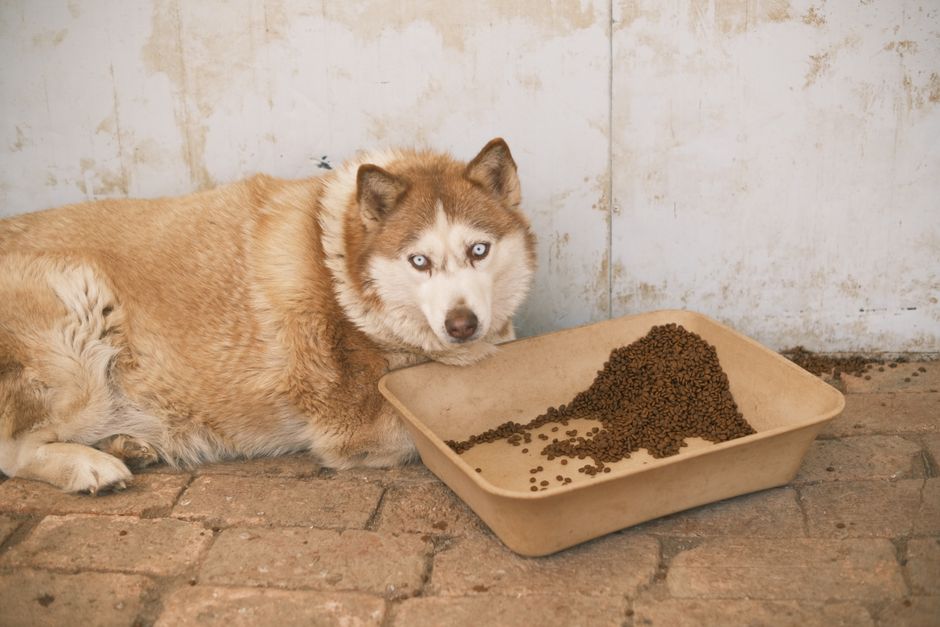
Understanding Husky Overweight Problems
Siberian Huskies are naturally athletic, lean dogs bred for endurance. However, like any breed, they can become overweight due to overfeeding, lack of exercise, or underlying health issues. An overweight husky faces serious health risks including joint problems, diabetes, and reduced lifespan. Recognizing and addressing weight issues early is crucial for your husky's well-being.
How to Tell if Your Husky is Overweight
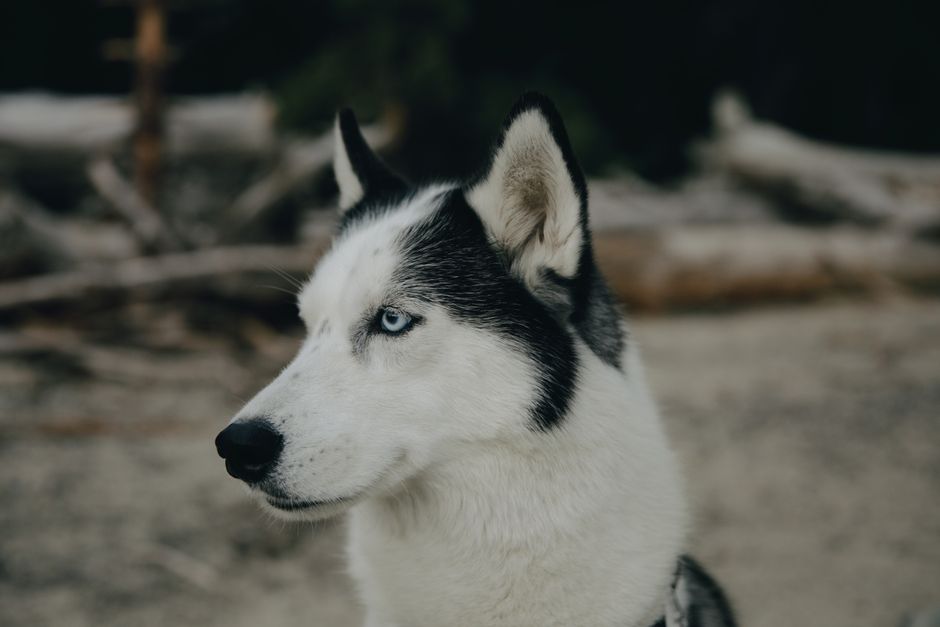
Use the rib test and body condition score (BCS). Run your hands along your husky's ribs. You should feel them easily with a thin fat layer. If you have to press firmly to feel ribs, your husky may be overweight. Other signs: no visible waist when viewed from above, sagging belly, difficulty feeling the spine, and lethargy. A healthy husky has a tuck-up at the abdomen and a defined waist.
Ideal Weight Range for Siberian Huskies
| Gender | Weight Range (lbs) |
|---|---|
| Male | 45–60 |
| Female | 35–50 |
These are general guidelines; individual variation exists. Always consult your vet.
Common Causes of Husky Weight Gain
- Overfeeding: Free-feeding or too many treats. Huskies have slow metabolisms; they need controlled portions.
- Lack of Exercise: Huskies require 1–2 hours of vigorous activity daily. Inadequate exercise leads to fat storage.
- Neutering/Spaying: Hormonal changes can reduce metabolism; adjust diet accordingly.
- Medical Issues: Hypothyroidism, Cushing's disease, or insulin resistance. Vet check essential.
- Age: Senior huskies become less active; reduce calories to prevent weight gain.
Health Risks of an Overweight Husky
- Joint Problems: Extra weight stresses hips, elbows, and knees, exacerbating hip dysplasia.
- Diabetes: Obesity increases risk of insulin resistance.
- Respiratory Issues: Fat around the chest compresses lungs, causing breathing difficulty.
- Heart Disease: Increased workload on heart can lead to cardiac problems.
- Reduced Lifespan: Studies show overweight dogs live up to 2.5 years less.
How to Help Your Husky Lose Weight Safely
Step 1: Consult Your Veterinarian
Get a full health check to rule out medical causes. Your vet can recommend a target weight and a gradual weight loss plan (1–2% body weight per week).
Step 2: Adjust Diet
- Measure portions: Use a kitchen scale or measuring cup. Follow feeding guidelines on food packaging.
- Switch to a high-protein, low-carb food: Look for foods with real meat as first ingredient, low in fillers (corn, wheat).
- Reduce treats: Use healthy alternatives like baby carrots, green beans, or apple slices. Limit to 10% of daily calories.
- Consider a weight management formula: Many brands offer lower calorie options.
- Slow feeder bowl: If your husky eats too fast, use a puzzle bowl to slow down intake.
Step 3: Increase Exercise Gradually
- Start slow: Add 10–15 minutes of walking per day, then increase.
- Mix activities: Jogging, hiking, swimming, fetch, or dog sports like agility.
- Mental stimulation: Puzzle toys and training sessions burn calories too.
- Avoid overexertion in hot weather: Huskies overheat easily; exercise during cooler parts of the day.
Step 4: Track Progress
Weigh your husky weekly at the same time of day. Use a body condition score chart. Adjust food and exercise based on results.
Sample Weight Loss Diet Plan for a 55-lb Overweight Husky
| Meal | Food Amount (per day) | Calories |
|---|---|---|
| Breakfast | 1 cup high-protein kibble (e.g., 370 kcal/cup) | 370 |
| Lunch | 1/4 cup canned pumpkin (unsweetened) + 1/2 cup green beans | 30 |
| Dinner | 1 cup same kibble | 370 |
| Treats | 10 baby carrots or 2 tablespoons plain Greek yogurt | 50 |
| Total | 820 |
Adjust based on your husky's specific needs. This is approximately 15% calorie reduction from maintenance.
Preventing Weight Regain
- Maintain a routine: Consistent feeding and exercise schedule.
- Regular weigh-ins: Monitor once a week.
- Limit table scraps: Human food is often high in fat and salt.
- Keep treats low-calorie: Use frozen blueberries or carrots.
- Stay active together: Make exercise a daily family activity.
When to See a Vet
If your husky is not losing weight despite diet and exercise changes, or if you notice sudden weight gain, lethargy, or excessive hunger/thirst, visit your vet. Conditions like hypothyroidism require medication. A professional can help design a tailored weight loss program.
Conclusion
Husky overweight problems are preventable and reversible with proper care. By monitoring your dog's body condition, feeding a balanced diet, and ensuring adequate exercise, you can help your Siberian Husky live a longer, healthier, and happier life. Always work with your veterinarian to create a safe weight loss plan.
Recommended Products for Your Husky
As an Amazon Associate, we earn from qualifying purchases. Learn more.
- Husky Care Essentials — Check price on Amazon
- Best-Selling Dog Gear — Check price on Amazon
- Newest Husky Products — Check price on Amazon
Frequently Asked Questions
How do I maintain dental health?
Brush teeth 2–3 times weekly, offer dental chews, and schedule professional cleanings. Small breeds aren't the only ones with tartar.
What flea and tick prevention is best?
Oral or topical preventives from your vet beat OTC products. Tick-borne disease is rising in many Husky-friendly climates.
What health problems do Huskies have?
Main concerns are hip dysplasia, eye conditions (cataracts, PRA), and hypothyroidism. Reputable breeders screen with OFA and CERF.
Editor's Note
One thing we always tell new owners: learn your husky's normal. Gum color, breathing rate, stool consistency. The owners who knew the baseline caught real emergencies fast; the ones who didn't lost precious hours.
Sources & Further Reading
HuskySpot researches each topic against recognized breed and veterinary authorities. The following organizations inform our content: