Diabetes mellitus is a serious endocrine disorder that can affect dogs of any breed, including Siberian Huskies. Recognizing the early symptoms of diabetes in your husky is crucial for timely intervention and management. This comprehensive guide covers everything you need to know about husky diabetes symptoms, from the classic warning signs to subtle behavioral changes, helping you keep your furry friend healthy and happy.
What Is Canine Diabetes?
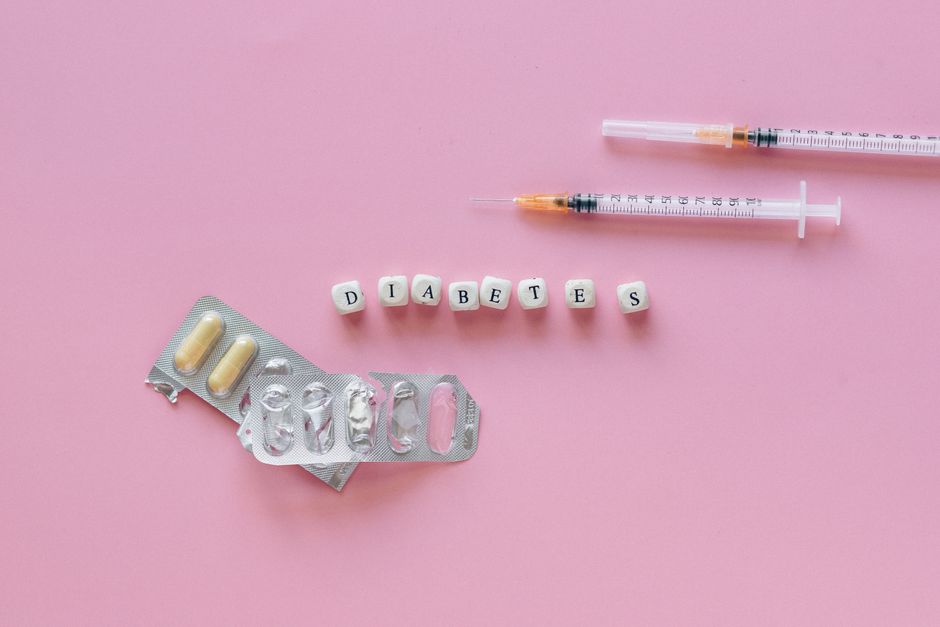
Canine diabetes occurs when a dog's body cannot produce enough insulin (Type 1) or cannot effectively use the insulin it produces (Type 2). Insulin is a hormone that regulates blood sugar (glucose) levels. Without proper insulin function, glucose builds up in the bloodstream, leading to hyperglycemia. Over time, this damages organs and tissues. In dogs, the most common form is insulin-dependent diabetes mellitus (Type 1), which requires lifelong insulin therapy.

Why Are Siberian Huskies at Risk for Diabetes?
While any dog can develop diabetes, certain factors increase the risk:
- Age: Middle-aged to older dogs (7–12 years) are more susceptible.
- Obesity: Excess body weight promotes insulin resistance.
- Genetics: Some breeds have a higher predisposition, though Huskies are not among the highest risk breeds.
- Sex: Unspayed females are at higher risk due to hormonal influences.
- Other conditions: Pancreatitis, Cushing's disease, and autoimmune disorders can trigger diabetes.
Although Huskies are generally healthy, their active lifestyle and dietary habits can influence their risk. Regular veterinary check-ups are important for catch early signs.
Common Symptoms of Diabetes in Huskies
The classic symptoms are often summarized as the "four Ps": polydipsia (excessive thirst), polyuria (excessive urination), polyphagia (increased appetite), and weight loss. Here's what to look for in your Siberian Husky:
1. Excessive Thirst (Polydipsia)
Your husky may start drinking water more frequently or in larger amounts. You might notice the water bowl needs refilling more often, or your dog seeks out other water sources like puddles or toilets.
2. Frequent Urination (Polyuria)
Increased drinking leads to increased urination. Your house-trained husky may have accidents indoors, ask to go out more often, or urinate in unusual places. The urine may appear very dilute and clear.
3. Increased Appetite (Polyphagia) with Weight Loss
Despite eating more, a diabetic dog often loses weight because the cells cannot absorb glucose for energy. Your husky might beg for food constantly or steal treats, yet still appear thin or emaciated. This is one of the most telling signs.
4. Lethargy and Weakness
Without sufficient energy, your husky may seem tired, less interested in walks or play, and sleep more than usual. Muscle weakness, especially in the hind legs, can also occur.
5. Cloudy Eyes (Cataracts)
Diabetes accelerates cataract formation. If your husky's eyes develop a bluish-gray or white cloudiness, it could be diabetic cataracts. This can lead to blindness if untreated.
6. Recurrent Infections
High blood sugar weakens the immune system. Urinary tract infections, skin infections (pyoderma), and ear infections are common. Look for signs like frequent licking, redness, or unpleasant odor.
7. Sweet-Smelling Breath or Ketone Odor
In advanced stages, the breath may smell fruity or like acetone, indicating ketoacidosis—a life-threatening emergency. If you notice this, seek veterinary care immediately.
Early Signs to Watch For
Early diabetes might not display all classic symptoms. Watch for subtle changes:
- Slight increase in water consumption.
- More frequent urination, especially at night.
- Gradual weight loss despite normal appetite.
- Dull coat or hair loss.
- Behavioral changes like irritability or depression.
Keep a log of any changes and consult your vet if you notice a pattern.
How Diabetes Affects a Husky's Body
Chronic high blood sugar damages multiple systems:
- Eyes: Cataracts and diabetic retinopathy.
- Kidneys: Diabetic nephropathy leading to kidney failure.
- Nerves: Peripheral neuropathy causing weakness.
- Heart and blood vessels: Increased risk of hypertension and heart disease.
- Immune system: Higher susceptibility to infections.
Early detection and management can prevent or slow these complications.
Diagnosis Steps
- Physical Exam: Your vet will check weight, body condition, and hydration.
- Blood Tests: High fasting blood glucose level (above 250 mg/dL) suggests diabetes. Fructosamine test gives an average blood sugar over 1–3 weeks.
- Urinalysis: Presence of glucose and ketones in urine confirms diabetes.
- Additional Tests: Thyroid function, pancreatic enzymes, and cortisol levels to rule out concurrent diseases.
Treatment and Management Options
Insulin Therapy
Most diabetic dogs require twice-daily insulin injections. Your vet will determine the type (e.g., NPH, Vetsulin) and dose. You'll learn how to administer injections at home.
Dietary Changes
Feed a high-fiber, low-carbohydrate diet to stabilize blood sugar. Prescription diets like Hill's w/d or Royal Canin Diabetic are often recommended. Consistent meal timing and portion control are critical.
Exercise Management
Regular, moderate exercise helps regulate glucose. Avoid strenuous activity after insulin peak to prevent hypoglycemia. Establish a routine.
Monitoring
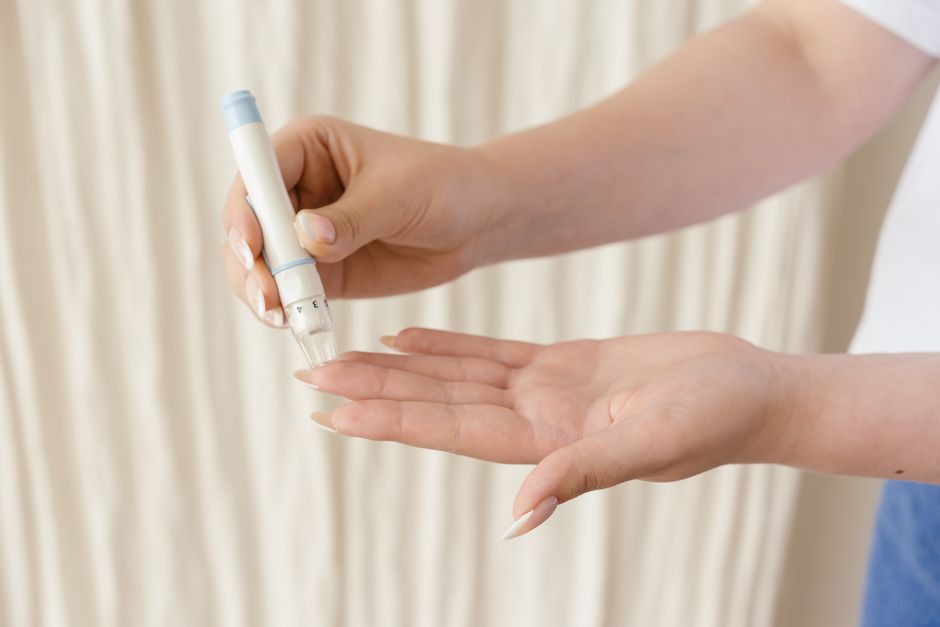
Monitor urine or blood glucose at home with kits. Keep a log of insulin doses, food intake, water consumption, and weight. Regular vet check-ups are needed for dose adjustments.
Prevention Tips
- Maintain a healthy weight through proper diet and exercise.
- Spay your female husky to reduce hormonal risks.
- Feed a balanced diet limited in simple sugars and processed carbs.
- Provide regular veterinary care including annual blood work.
- Manage underlying conditions like pancreatitis or Cushing's disease promptly.
When to See a Veterinarian
If you observe any combination of the symptoms listed, especially increased thirst, urination, appetite, or weight loss, schedule a vet appointment immediately. If your husky shows vomiting, lethargy, labored breathing, or collapses, it may be diabetic ketoacidosis—an emergency requiring hospitalization.
Frequently Asked Questions
Can diabetes in Huskies be cured?
No, but it can be managed successfully with insulin, diet, and monitoring. Some dogs go into remission after treatment of underlying conditions, but lifelong management is usually required.
Is diabetes painful for dogs?
Not directly painful, but complications like nerve damage, infections, and cataracts cause discomfort. Proper management reduces these risks.
How long can a Husky live with diabetes?
With proper care, many diabetic dogs live several years after diagnosis. Life expectancy depends on age, overall health, and how well the condition is controlled.
Can I test my Husky's blood sugar at home?
Yes, home monitoring is encouraged. Use a veterinary glucometer or human meter with careful calibration. Your vet can teach you how to obtain a blood sample from the ear or paw.
Understanding the symptoms of diabetes in your Siberian Husky is the first step toward timely diagnosis and effective management. By staying vigilant and working closely with your veterinarian, you can help your husky live a comfortable, active life despite this chronic condition.
Recommended Products for Your Husky
As an Amazon Associate, we earn from qualifying purchases. Learn more.
- Car Seat Cover — Check price on Amazon
- Dog Car Hammock — Check price on Amazon
- Seat Belt — Check price on Amazon
Editor's Note
Our editors keep a poison cheat-sheet on the fridge: grapes, xylitol, onions, antifreeze. We've talked more than one panicked owner down from a grape incident. Knowing the number for poison control beats Googling it mid-crisis.
Sources & Further Reading
HuskySpot researches each topic against recognized breed and veterinary authorities. The following organizations inform our content: