Pancreatitis is a serious and painful condition that can affect any dog breed, including the energetic and resilient Siberian Husky. As a devoted Husky owner, recognizing the early signs of pancreatitis is crucial for prompt treatment and recovery. This comprehensive guide will walk you through everything you need to know about husky pancreatitis symptoms, from subtle behavioral changes to severe clinical signs, along with causes, diagnosis, treatment options, and prevention strategies.
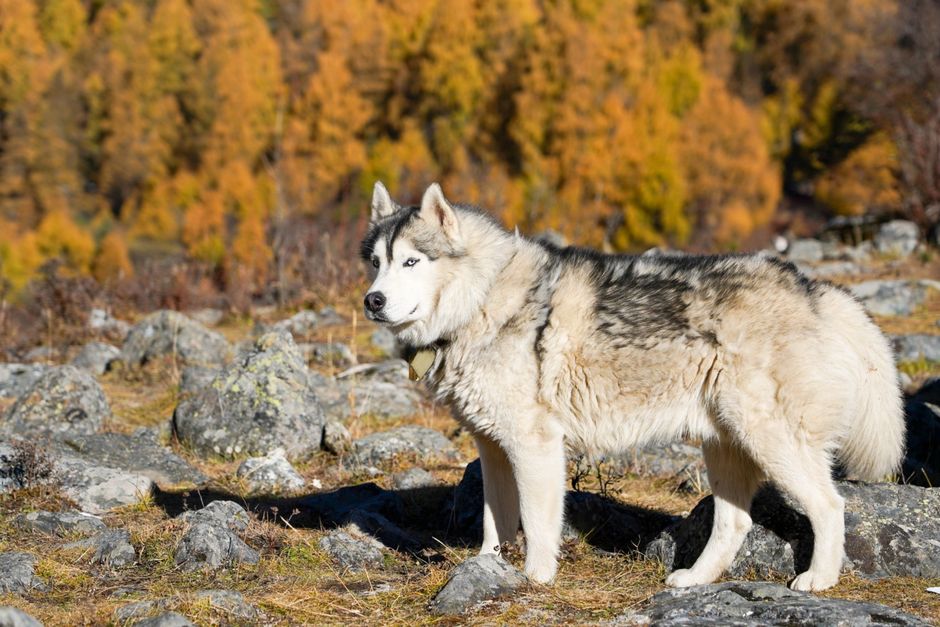
What is Pancreatitis in Huskies?
Pancreatitis refers to inflammation of the pancreas, an organ responsible for producing digestive enzymes and insulin. In a healthy Husky, these enzymes are activated in the small intestine. However, in pancreatitis, the enzymes become prematurely activated inside the pancreas, causing the organ to digest itself. This leads to inflammation, pain, and potential damage to surrounding tissues. Pancreatitis can be acute (sudden onset) or chronic (recurring mild episodes), and both forms can be life-threatening if left untreated.
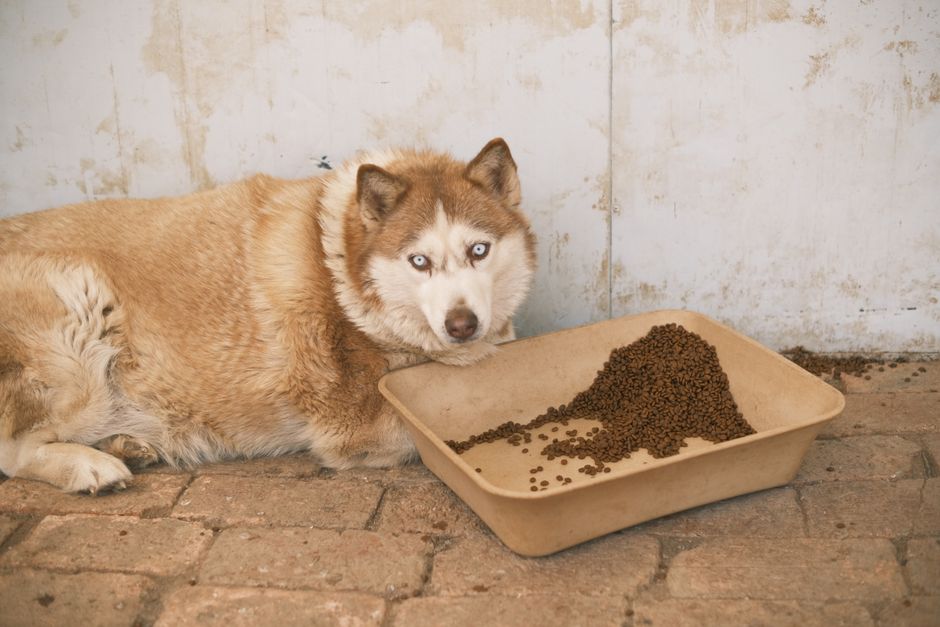
Common Symptoms of Pancreatitis in Huskies
The symptoms of pancreatitis in Siberian Huskies can vary from mild to severe. Because Huskies are known for their stoic nature, they may hide pain until it becomes extreme. Watch for these key signs:
Gastrointestinal Symptoms
- Vomiting: Often repetitive, may contain bile or food.
- Diarrhea: Can be watery, yellow, or contain mucus.
- Loss of appetite: Refusing food even favorite treats.
- Abdominal pain: Husky may adopt a “praying position” (front legs down, rear end up), whine when abdomen is touched, or be restless.
Behavioral and Physical Changes
- Lethargy: Lack of energy, unwilling to play or go for walks.
- Dehydration: Dry gums, sunken eyes, loss of skin elasticity.
- Fever: Elevated body temperature (above 102.5°F).
- Weight loss: Especially in chronic cases.
Severe Signs (Emergency)
- Shock: Pale gums, rapid heart rate, weak pulse.
- Difficulty breathing: Due to pain or fluid accumulation.
- Jaundice: Yellowing of eyes, gums, or skin (indicates liver involvement).
- Collapse: Inability to stand or walk.
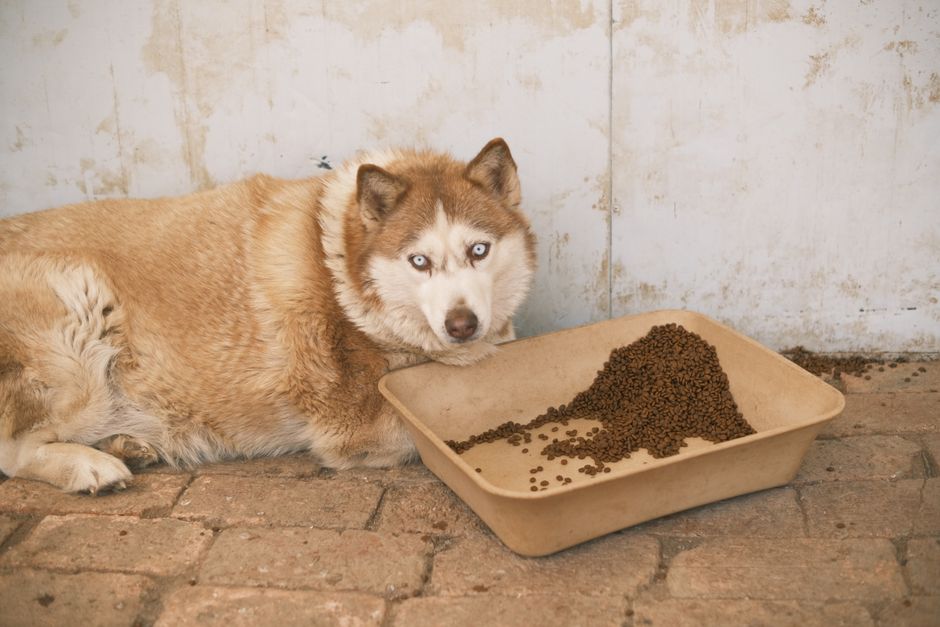
Causes and Risk Factors in Huskies
While pancreatitis can strike any dog, certain factors increase the risk in Siberian Huskies:
- Dietary indiscretion: Eating rich, fatty foods like bacon, butter, or table scraps is a leading cause.
- High-fat diets: Even commercial dog foods with excessive fat content can trigger episodes.
- Obesity: Overweight Huskies have a higher risk.
- Genetics: Some lines of Huskies may have a predisposition.
- Concurrent diseases: Diabetes, hypothyroidism, Cushing’s disease, or infections.
- Medications: Certain drugs like some antibiotics or chemotherapy agents.
- Trauma: Abdominal injury or surgery.
When to See a Vet
If your Husky shows any combination of the symptoms above, especially vomiting, abdominal pain, or lethargy, contact your veterinarian immediately. Early intervention improves outcomes. Delaying treatment can lead to complications like pancreatic necrosis, diabetes mellitus, or multiple organ failure.
Diagnosis of Pancreatitis in Huskies
Your vet will perform a thorough examination and may recommend:
- Blood tests: Elevated pancreatic lipase immunoreactivity (PLI) or canine pancreatic lipase (Spec cPL) is highly specific. Also check white blood cell count, liver enzymes, and kidney values.
- Ultrasound: To visualize the pancreas for inflammation, swelling, or fluid buildup.
- X-rays: To rule out other causes of symptoms like foreign bodies.
- Biopsy: Rarely needed, but definitive in chronic cases.
Treatment Options
Treatment depends on severity. Mild cases may require outpatient care, while severe cases need hospitalization.
Immediate Management
- Fasting: Withholding food for 24-48 hours to rest the pancreas.
- IV fluids: To correct dehydration and electrolyte imbalances.
- Pain control: Medications like buprenorphine or fentanyl patches.
- Anti-nausea drugs: Maropitant (Cerenia) or ondansetron.
- Antibiotics: If infection is suspected.
Long-Term Dietary Changes
Once the acute phase passes, your Husky will need a low-fat, easily digestible diet. Prescription diets like Royal Canin Gastrointestinal Low Fat or Hill’s i/d Low Fat are ideal. Feed small, frequent meals and avoid all high-fat treats.
Recovery and Prevention
Recovery from pancreatitis takes time. Follow your vet’s instructions strictly. Most Huskies improve within a week, but chronic cases require lifelong management.
Prevention Tips
- Maintain a healthy weight: Regular exercise and portion control.
- Feed a balanced, low-fat diet: Check fat content (aim for <15% on dry matter basis).
- No table scraps: Even small amounts of fatty food can trigger an attack.
- Avoid sudden diet changes: Transition foods over 7-10 days.
- Regular vet check-ups: Especially for older or at-risk Huskies.
Frequently Asked Questions
Can a Husky recover from pancreatitis?
Yes, with prompt treatment, many Huskies recover fully. However, severe cases can be fatal, and some develop chronic issues.
How long does pancreatitis last in Huskies?
Acute episodes typically resolve within a few days to a week with treatment. Chronic pancreatitis may require ongoing management.
What should I feed a Husky with pancreatitis?
A low-fat, highly digestible diet prescribed by your vet. Homemade options are possible under veterinary guidance but must be carefully balanced.
Is pancreatitis painful for Huskies?
Absolutely. Pancreatitis is extremely painful. Never hesitate to seek pain relief from your vet.
Knowing the husky pancreatitis symptoms can save your dog’s life. Stay vigilant, maintain a healthy lifestyle for your Husky, and consult your veterinarian at the first sign of trouble. Your loyal companion depends on you.
Recommended Products for Your Husky
As an Amazon Associate, we earn from qualifying purchases. Learn more.
- Healthy Dog Treats — Check price on Amazon
- Dental Chews — Check price on Amazon
- Training Treats — Check price on Amazon
Editor's Note
We've handled the bloat scare more times than we can count. The rule we drilled into every client: no exercise for an hour after meals. A distended belly with unproductive retching is an ER trip, not a wait-and-see.
Sources & Further Reading
HuskySpot researches each topic against recognized breed and veterinary authorities. The following organizations inform our content: