Understanding Husky Fever: What It Really Means
When owners search for 'husky fever symptoms', they often refer to fevers or febrile conditions affecting Siberian Huskies. While 'husky fever' isn't a formal veterinary diagnosis, it generally describes elevated body temperature due to infections, inflammation, or other underlying issues. Understanding the signs is crucial for early intervention and your Husky's health.
Normal Temperature vs. Fever in Siberian Huskies
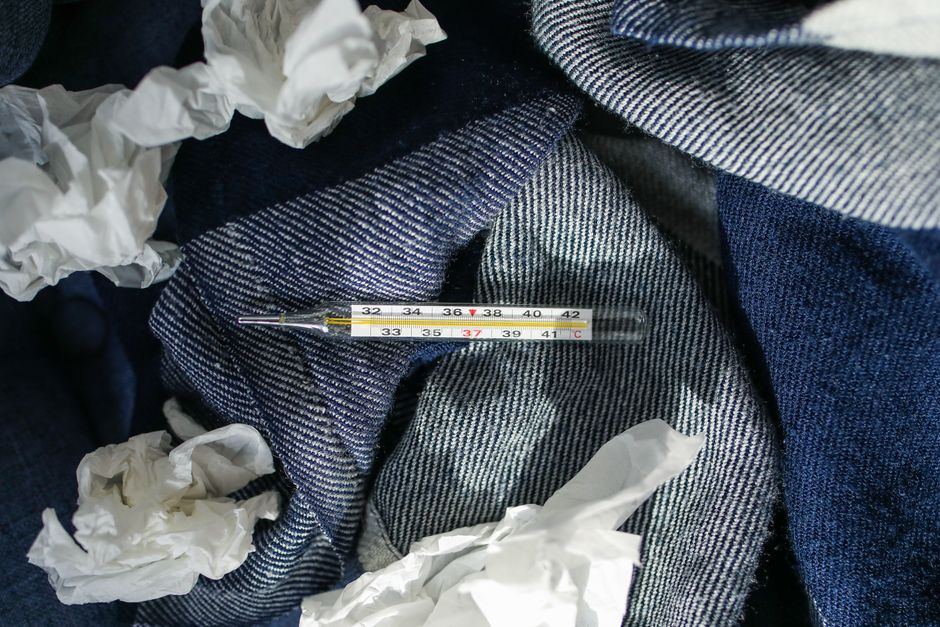
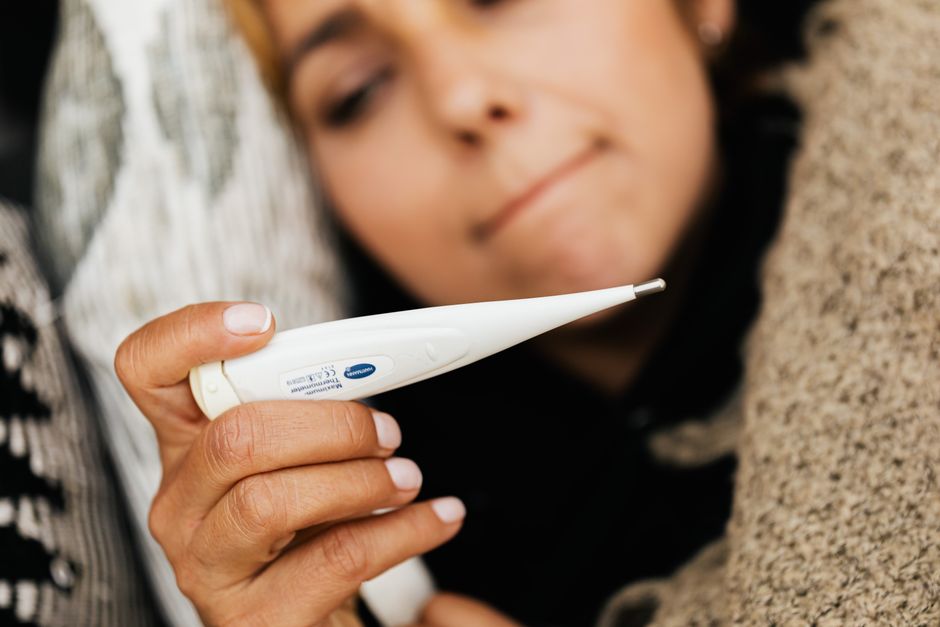
A healthy Siberian Husky's body temperature typically ranges from 101°F to 102.5°F (38.3°C to 39.2°C). A temperature above 103°F (39.4°C) is considered a fever. Puppies and older dogs may have slightly different baselines. Always use a digital rectal thermometer for accurate readings.
Common Symptoms of Fever in Huskies
Recognizing the signs early can prevent complications. Look for these key indicators:
- Warm, dry nose: While not always reliable, a dry, warm nose paired with other symptoms can signal fever.
- Lethargy and weakness: Your energetic Husky may seem unusually tired, uninterested in play, or reluctant to move.
- Shivering or trembling: Despite a high body temperature, dogs may shiver as the body tries to generate heat.
- Loss of appetite: Fever often reduces hunger, and your Husky might skip meals or refuse treats.
- Red or glassy eyes: Bloodshot or dull eyes can indicate systemic illness.
- Hot ears and paws: Feel the inside of the ears and paw pads – they may be noticeably warmer than usual.
- Rapid breathing or panting: Even at rest, your Husky may breathe faster to cool down.
- Nasal discharge or coughing: Respiratory infections often accompany fever.
- Vomiting or diarrhea: Gastrointestinal upset can be both a cause and symptom of fever.
- Behavioral changes: Irritability, hiding, or seeking cool surfaces like tile floors.
When to Check Your Husky's Temperature
If your Husky shows any combination of the above symptoms, take their temperature immediately. Here's how:
- Lubricate a digital rectal thermometer with petroleum jelly or water-based lubricant.
- Gently insert about 1 inch into the rectum and hold until it beeps.
- Clean the thermometer with alcohol after use.
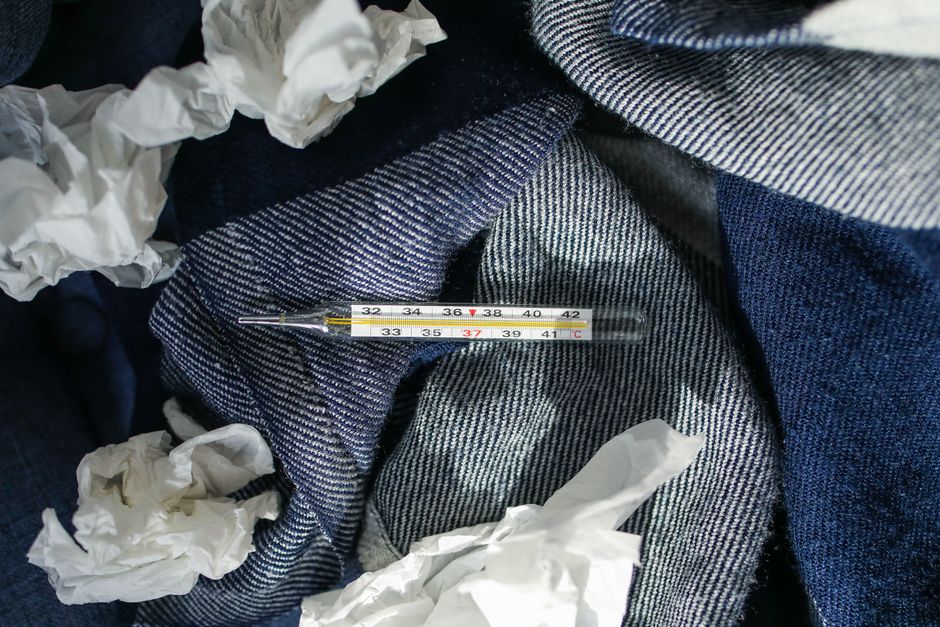
Never use a glass thermometer – it can break. If the temperature exceeds 104°F (40°C), contact your vet right away.
Potential Causes of Fever in Siberian Huskies
Fever is a symptom, not a disease. Common underlying causes include:
| Cause | Examples |
|---|---|
| Infections | Bacterial (e.g., kennel cough, urinary tract infection), viral (e.g., canine distemper), fungal (e.g., blastomycosis) |
| Inflammatory conditions | Pancreatitis, autoimmune disorders, arthritis flares |
| Vaccination reaction | Mild fever post-vaccination often resolves in 24-48 hours |
| Toxins | Ingestion of poisonous plants, human medications (e.g., ibuprofen), or toxic foods (grapes, xylitol) |
| Heat stroke | Huskies are prone to overheating due to their thick coats; excessive exercise in hot weather can cause fever |
| Idiopathic fever | Fever of unknown origin that resolves spontaneously or requires further diagnostics |
Breed-Specific Considerations for Huskies
Siberian Huskies have a dense double coat that can mask early signs of fever. They may not show obvious discomfort until the fever is high. Additionally, Huskies are stoic dogs – they often hide pain or illness. Pay close attention to subtle changes in behavior, such as reduced enthusiasm for walks or hesitation to jump on furniture.
Heat Stroke vs. Febrile Fever
Both cause elevated body temperature, but heat stroke is a medical emergency requiring immediate cooling. Signs of heat stroke include excessive panting, drooling, staggering, and collapse. If your Husky has been in a hot environment, move them to shade, apply cool (not cold) water to paws and belly, and offer small amounts of water. Seek emergency veterinary care.
Treating Fever at Home – What You Can Do
If your Husky has a mild fever (103-104°F) and is otherwise stable, you can provide supportive care:
- Keep them hydrated: Offer fresh water frequently. Ice cubes flavored with chicken broth may encourage drinking.
- Cool compress: Apply a damp, cool towel to the ears, paws, and groin area for 10-15 minutes. Do not use ice or cold water – it can cause shivering and raise body temperature.
- Rest: Limit activity and provide a quiet, comfortable space away from drafts.
- Monitor temperature: Recheck every 2-4 hours to track changes.
- Avoid human medications: Never give ibuprofen, acetaminophen, or aspirin – they are toxic to dogs. Only use vet-approved fever reducers like carprofen.
When to See a Vet Immediately
Seek professional care if:
- Temperature exceeds 104.5°F (40.3°C)
- Fever persists for more than 48 hours
- Your Husky is very young, old, or has pre-existing health conditions
- Other severe symptoms appear: seizures, difficulty breathing, bloody stool, or collapse
- You suspect ingestion of a toxin
- Fever occurs after a known injury or surgery
Diagnostic Tests Your Vet May Recommend
To find the root cause, your veterinarian may perform:
- Complete blood count (CBC): Checks for infection or inflammation
- Blood chemistry panel: Evaluates organ function
- Urinalysis: Detects urinary tract infections
- X-rays or ultrasound: Looks for tumors, foreign bodies, or fluid accumulation
- Infectious disease testing: Screens for tick-borne diseases (e.g., Lyme, ehrlichiosis) common in Huskies
Preventing Fever in Your Husky
While not all fevers can be prevented, these steps reduce risk:
- Vaccinations: Keep core vaccines up-to-date (distemper, parvovirus, rabies). Discuss non-core vaccines with your vet.
- Parasite control: Use monthly preventatives for heartworms, fleas, and ticks.
- Healthy diet: Feed a balanced, high-quality food to support the immune system.
- Avoid overheating: Limit exercise in hot weather, provide shade and water, and never leave your Husky in a parked car.
- Regular vet checkups: Annual exams help catch issues early.
Frequently Asked Questions About Husky Fever
Can a Husky's fever break on its own?
Yes, mild fevers from minor infections or vaccination reactions often resolve within 24-48 hours. However, persistent or high fevers require veterinary attention.
Is a warm nose always a sign of fever?
No. A warm, dry nose can be normal after sleep or in low humidity. Always use a thermometer for confirmation.
Can I use a human ear thermometer on my Husky?
It's not recommended – ear thermometers designed for dogs are more accurate due to ear canal anatomy.
What is the typical recovery time?
With proper treatment, most fevers subside within 2-3 days. Recovery depends on the underlying cause.
Conclusion
'Husky fever' is a catch-all term that should prompt careful monitoring of your Siberian Husky's health. By recognizing symptoms early, taking accurate temperatures, and seeking veterinary care when needed, you can help your furry friend recover quickly. Remember, your Husky relies on you to notice the subtle signs – stay vigilant and proactive.
Recommended Products for Your Husky
As an Amazon Associate, we earn from qualifying purchases. Learn more.
- Husky Care Essentials — Check price on Amazon
- Best-Selling Dog Gear — Check price on Amazon
- Newest Husky Products — Check price on Amazon
Editor's Note
One thing we always tell new owners: learn your husky's normal. Gum color, breathing rate, stool consistency. The owners who knew the baseline caught real emergencies fast; the ones who didn't lost precious hours.
Sources & Further Reading
HuskySpot researches each topic against recognized breed and veterinary authorities. The following organizations inform our content: