When your normally food-obsessed Siberian Husky turns up their nose at dinner, it can be alarming. Huskies are known for their hearty appetites, but appetite loss can occur for various reasons—some benign, others requiring veterinary attention. This comprehensive guide covers the causes of husky appetite loss, practical solutions, and warning signs that demand a trip to the vet.
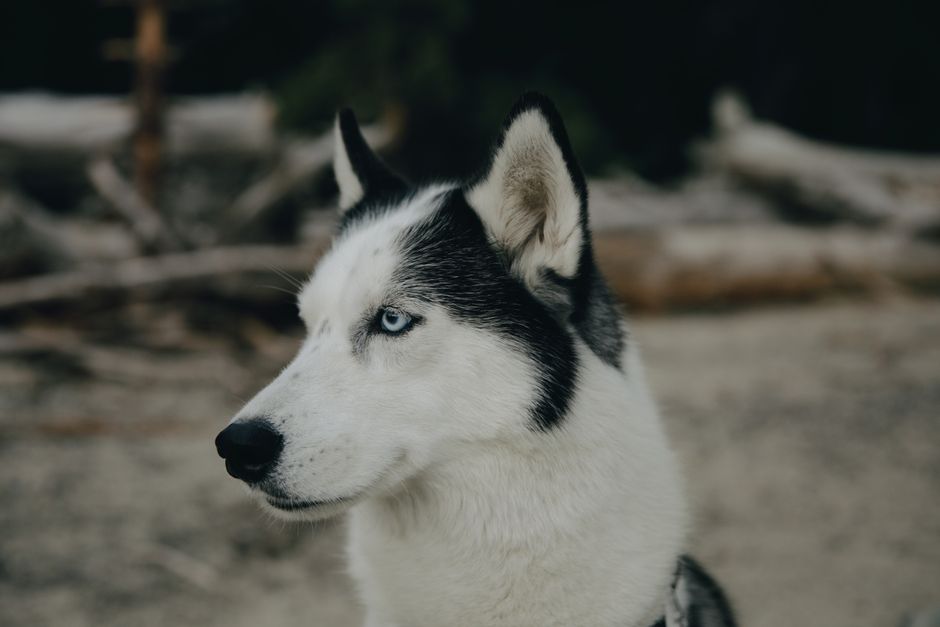
Common Reasons Why Your Husky Won’t Eat
Medical Issues
Underlying health problems are often the first thing to rule out when a husky stops eating. Common medical causes include:
- Dental problems: Broken teeth, gum disease, or oral infections make chewing painful. Check for drooling, pawing at the mouth, or bad breath.
- Gastrointestinal upset: Vomiting, diarrhea, or constipation can reduce appetite. Huskies sometimes eat grass to induce vomiting—watch for that.
- Parasites: Intestinal worms (roundworms, hookworms, giardia) cause nausea and discomfort. A fecal test is needed for diagnosis.
- Infections: Kennel cough, urinary tract infections, or any fever can suppress appetite. Look for lethargy, coughing, or changes in urination.
- Organ disease: Kidney or liver issues often come with appetite loss, increased thirst, and weight loss. Bloodwork is essential.
- Pancreatitis: Inflammation of the pancreas causes severe abdominal pain and vomiting. Huskies on high-fat diets are at risk.
- Cancer: Tumors anywhere in the body can cause anorexia. Unexplained weight loss or lumps warrant a vet check.
Behavioral or Psychological Factors
Huskies are intelligent and can be stubborn. Behavioral reasons for appetite loss include:
- Pickiness: Some huskies simply get bored with the same food. They may hold out for treats or something tastier.
- Stress or anxiety: Changes in the household (new pet, baby, moving) or loud noises (fireworks, thunderstorms) can temporarily reduce appetite.
- Food aversion: A negative experience while eating (e.g., being startled or force-fed) can create a lasting dislike.
- Separation anxiety: When left alone, some huskies refuse to eat until their owner returns.
Environmental and Routine Changes
Even subtle changes can affect your husky’s eating habits. Consider:
- Weather: During hot months, huskies naturally eat less. They may prefer early morning or late evening meals.
- Feeding schedule: Switching from free-feeding to scheduled meals can confuse your dog. Consistency is key.
- Location: Moving the food bowl to a noisy or high-traffic area can cause stress. Keep feeding spots quiet and calm.
- Bowl type: Deep or metal bowls can cause whisker fatigue. Try a shallow, wide ceramic bowl.
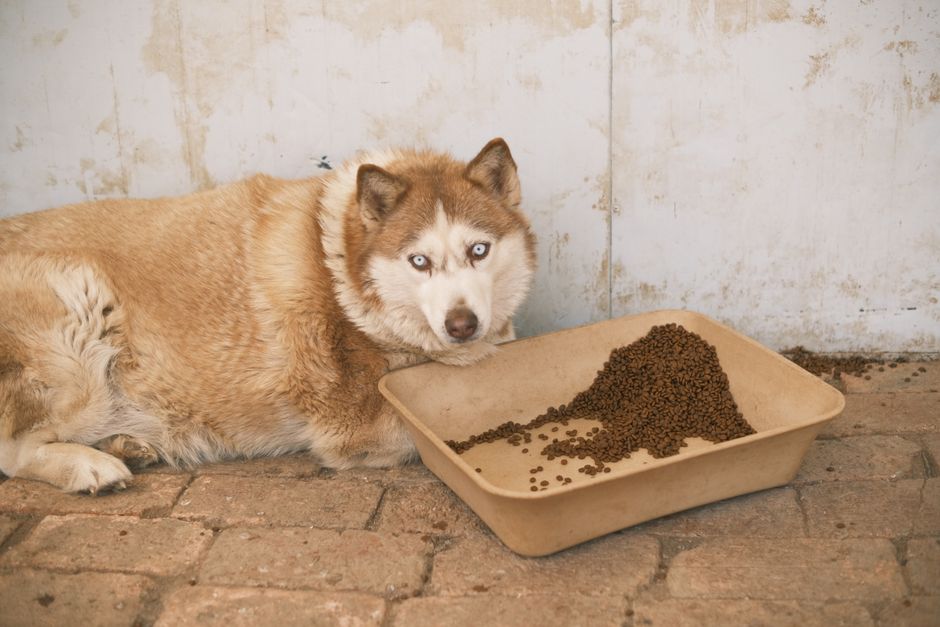
How Long Can a Husky Go Without Eating?
A healthy adult husky can typically go 3–5 days without food, but that doesn’t mean it’s safe. Prolonged fasting can lead to fatty liver disease (hepatic lipidosis), especially in overweight dogs. Puppies and seniors can deteriorate faster. If your husky hasn’t eaten for 24 hours and shows other symptoms (lethargy, vomiting), call your vet. For picky eaters, withholding food for 12–24 hours may reset their appetite, but always ensure water is available.
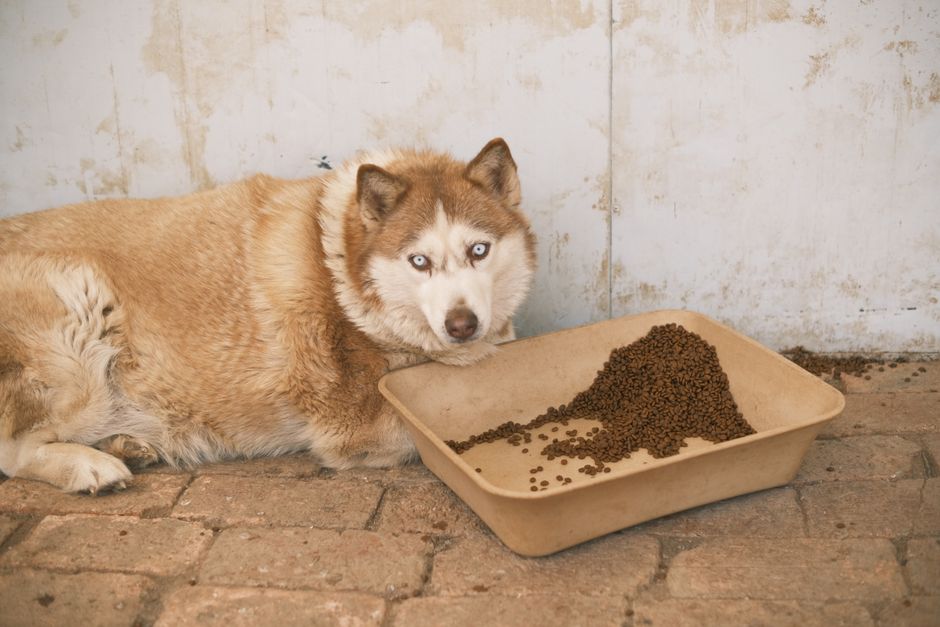
When to Worry: Signs That Require a Vet Visit
Immediate veterinary attention is needed if appetite loss is accompanied by:
- Vomiting or diarrhea (especially if bloody)
- Lethargy or weakness
- Weight loss (more than 10% of body weight)
- Pain or whimpering
- Swollen abdomen or excessive drooling
- Difficulty breathing or pale gums
- Refusal to drink water (risk of dehydration)
Also seek help if a puppy under 6 months stops eating for more than 12 hours, or if an adult husky refuses food for 48 hours with no apparent reason.
Practical Tips to Stimulate Your Husky’s Appetite
Warm the Food
Heating wet food or gently warming dry kibble (add a little warm water) releases aromas that entice your husky to eat. Ensure it’s not too hot—test with your wrist.
Add Tasty Toppers
Enhance the meal with dog-safe extras:
- Plain, low-sodium chicken or beef broth
- Plain yogurt (probiotics aid digestion)
- Pumpkin puree (fiber-rich, good for GI)
- Scrambled eggs or shredded chicken
- Commercial food toppers (avoid high-fat options)
Hand Feeding and Encouragement
Sometimes huskies need extra TLC. Try:
- Hand-feeding a few pieces to stimulate interest.
- Using food puzzle toys or snuffle mats to make mealtime fun.
- Offering food in a different location (e.g., outside on a mat).
Exercise Before Meals
A short walk or play session can increase your husky’s appetite. Do it 20–30 minutes before serving food. Be careful not to over-exercise right after eating to prevent bloat (GDV), especially in deep-chested breeds like huskies.
Home Remedies for Mild Appetite Loss
For simple pickiness or minor upset, try these safe methods:
- Ginger: A small piece of fresh ginger (grated) or ginger tea can soothe nausea. Offer no more than ¼ teaspoon for a 50lb husky.
- Chicken and rice: The classic bland diet: boiled boneless, skinless chicken with white rice. Feed small portions multiple times a day.
- Bone broth: Homemade or low-sodium store-bought broth can be poured over food. Avoid onion or garlic.
- Probiotics: Yogurt or canine probiotic supplements support gut health.
- Dehydration check: Offer ice cubes or add water to food to increase fluid intake.
Never give human medications like ibuprofen or antacids—they are toxic to dogs.
Feeding Schedule and Portion Control
Consistency helps regulate appetite. Stick to two meals per day for adult huskies (three for puppies). Use a measuring cup to avoid overfeeding; huskies are prone to obesity. Remove uneaten food after 15–20 minutes to prevent free-feeding and food boredom. If your husky is a picky eater, avoid leaving food out all day—they will learn to eat when it’s offered.
Preventing Appetite Loss in Huskies
Proactive steps can minimize future episodes:
- Rotate protein sources every few months to prevent boredom (e.g., chicken, beef, fish).
- Feed a high-quality diet appropriate for your husky’s age and activity level.
- Maintain regular vet checkups, including dental cleanings.
- Minimize stress with routine, exercise, and positive reinforcement.
- Keep a food diary to track eating patterns and identify triggers.
A Quick Reference Table: Appetite Loss vs. Picky Eating
| Symptom | Picky Eating | Medical Appetite Loss |
|---|---|---|
| Duration | 1–2 meals, then eats normally | Persistent over 24–48 hours |
| Energy level | Normal, playful | Lethargic, withdrawn |
| Response to toppers | Often eats with added treats | Still refuses |
| Other symptoms | No vomiting, diarrhea | Vomiting, diarrhea, weight loss |
| Weight changes | Stable | Noticeable loss |
If your husky shows signs of picky eating, you can try the tips above. For medical symptoms, consult your veterinarian promptly. every husky is unique—pay attention to their normal behavior and act quickly if something seems off.
Recommended Products for Your Husky
As an Amazon Associate, we earn from qualifying purchases. Learn more.
- Husky Care Essentials — Check price on Amazon
- Best-Selling Dog Gear — Check price on Amazon
- Newest Husky Products — Check price on Amazon
Frequently Asked Questions
How do I help prevent hip dysplasia?
Keep puppies lean during growth, avoid over-exercise on hard surfaces, and choose parents with good OFA scores.
What vaccines does my Husky need?
Core vaccines: rabies, distemper, parvovirus, adenovirus. Your vet may add leptospirosis or bordetella based on risk.
How do I spot illness early?
Watch for appetite loss, lethargy, vomiting, diarrhea, limping, or eye changes. Huskies hide pain, so subtle shifts matter.
Editor's Note
In our experience husky owners underrate dental care. We've seen periodontal bacteria quietly damage organs by year seven. Brushing three times a week sounds like a lot until you price a professional cleaning.
Sources & Further Reading
HuskySpot researches each topic against recognized breed and veterinary authorities. The following organizations inform our content: