Food poisoning can affect any dog breed, and Siberian Huskies are no exception. While Huskies are known for their hardy digestive systems, they can fall victim to contaminated or toxic foods. Understanding the causes, symptoms, and treatment of husky food poisoning is crucial for any owner. This comprehensive guide will help you recognize the signs, take immediate action, and prevent future incidents.

Understanding Food Poisoning in Huskies
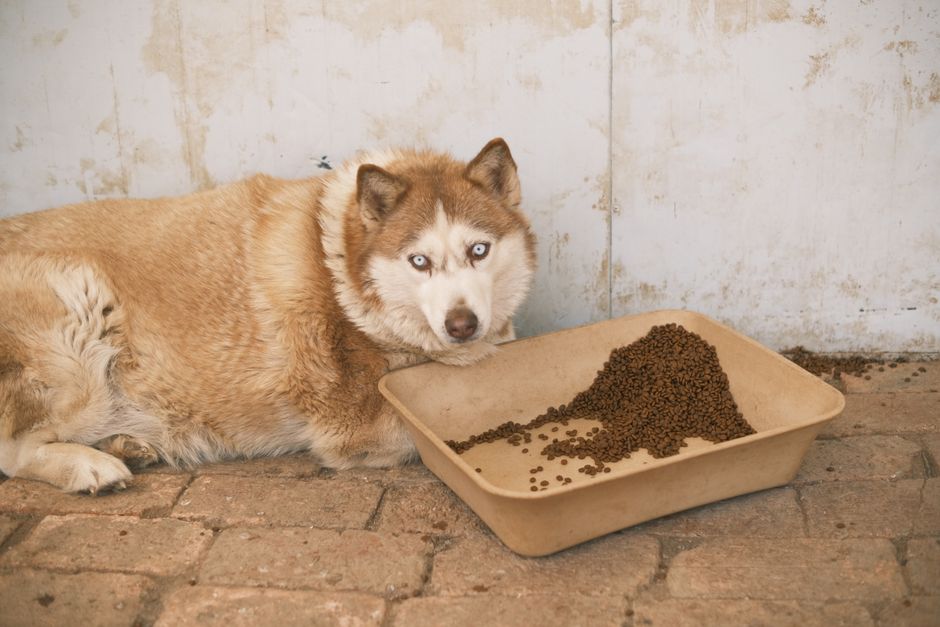
Food poisoning in dogs occurs when they ingest harmful bacteria, toxins, or spoiled food. Huskies, being curious and often food-driven, may scavenge garbage, eat dead animals, or consume human foods that are toxic to them. Even a small amount of certain substances can lead to serious illness.
Common Causes of Food Poisoning
Bacterial Contamination
Bacteria like Salmonella, E. coli, and Listeria can be found in raw meat, unpasteurized dairy, or spoiled leftovers. Huskies with access to raw diets or garbage are at higher risk.
Toxic Human Foods
Many human foods are poisonous to dogs. Grapes, raisins, chocolate, xylitol (artificial sweetener), onions, garlic, and macadamia nuts can cause severe reactions. Even small amounts can be deadly.
Spoiled or Moldy Food
Moldy food, especially bread, cheese, or nuts, can contain tremorgenic mycotoxins that cause seizures. Garbage containing rotting meat or dairy is a common source.
Chemical Poisons
Pesticides, fertilizers, or antifreeze (ethylene glycol) are attractive to dogs but highly toxic. Always store chemicals out of reach.
Symptoms of Food Poisoning
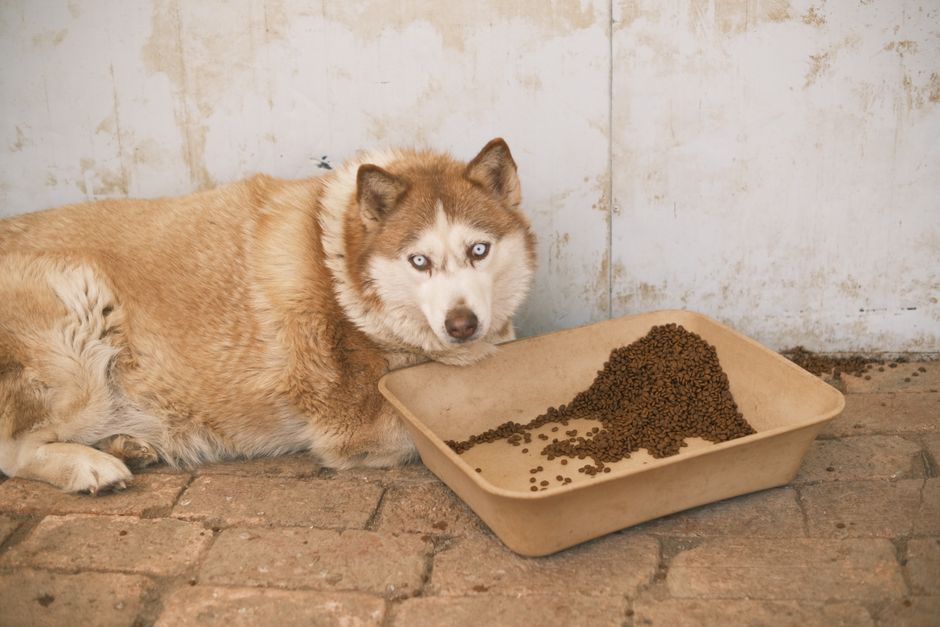
Symptoms can appear within hours or days. Watch for these signs:
- Vomiting and diarrhea (may be bloody)
- Lethargy and weakness
- Loss of appetite
- Excessive drooling or foaming at the mouth
- Abdominal pain or bloating
- Dehydration (dry gums, sunken eyes)
- Fever or hypothermia
- In severe cases: tremors, seizures, or collapse
| Symptom | Common Cause | Severity |
|---|---|---|
| Vomiting | Bacterial infection, spoiled food | Moderate to severe |
| Diarrhea | Salmonella, garbage ingestion | Moderate |
| Lethargy | General poisoning | Mild to severe |
| Tremors/Seizures | Mold toxins, chocolate | Emergency |
Immediate Steps to Take
If you suspect your Husky has food poisoning, act quickly:
- Remove the source: Prevent further access to the suspected food.
- Do not induce vomiting without veterinary advice. Some toxins cause more damage when vomited.
- Call your vet or a pet poison helpline immediately. Have the suspected food and amount ready.
- Monitor symptoms and keep your Husky hydrated. Offer small amounts of water if not vomiting.
- Collect a sample of the vomit or stool if possible for testing.
Treatment Options
Treatment depends on the toxin and severity. Your vet may:
- Induce vomiting if safe and within 2 hours of ingestion.
- Administer activated charcoal to absorb toxins.
- Give IV fluids for dehydration.
- Prescribe anti-nausea medication or antibiotics.
- Hospitalize for monitoring if severe.
Home care after treatment includes a bland diet (boiled chicken and rice) and probiotics to restore gut health.
Prevention Tips
- Secure garbage: Use cans with locking lids or keep them in a cabinet.
- Monitor chewing: Huskies love to chew – keep toxic plants and chemicals out of reach.
- Be careful with human food: Educate family and guests never to feed grapes, chocolate, or xylitol products.
- Safe storage: Store food properly and discard leftovers promptly.
- Supervise outdoors: Prevent scavenging during walks or in the yard.
- Consider pet insurance to cover emergency visits.
When to See a Vet
Seek immediate veterinary care if your Husky:
- Has persistent vomiting or diarrhea for more than 12 hours.
- Shows signs of severe pain, bloating, or collapse.
- Has seizures or difficulty breathing.
- Is very young, old, or has existing health issues.
- You suspect ingestion of a known toxin (e.g., raisins, xylitol).
Even mild symptoms can escalate quickly – it's better to be safe.
Frequently Asked Questions
Can a Husky recover from food poisoning on its own?
Mild cases may resolve with supportive care, but always consult a vet to rule out serious toxins.
How long does food poisoning last in Huskies?
Generally 24-48 hours with treatment. Severe cases may take longer.
Is raw food dangerous for Huskies?
Raw food can carry bacteria. Proper handling is essential, but many owners choose raw diets safely.
Conclusion
Food poisoning in Huskies is preventable with awareness and caution. By understanding the risks, recognizing symptoms early, and acting promptly, you can protect your furry friend. Always keep emergency numbers handy, and when in doubt, consult your veterinarian. Your Husky's health is worth the vigilance.
Recommended Products for Your Husky
As an Amazon Associate, we earn from qualifying purchases. Learn more.
- Premium Husky Food — Check price on Amazon
- Grain-Free Kibble — Check price on Amazon
- High-Protein Food — Check price on Amazon
Editor's Note
One thing we always tell new owners: learn your husky's normal. Gum color, breathing rate, stool consistency. The owners who knew the baseline caught real emergencies fast; the ones who didn't lost precious hours.
Sources & Further Reading
HuskySpot researches each topic against recognized breed and veterinary authorities. The following organizations inform our content: